
Most expensive home repairs don’t begin with dramatic damage. They often start with a loose roof shingle, a blocked gutter, or a small patch of moisture that goes unnoticed for months. By the time the problem becomes obvious, repairing it may involve several parts of the house rather than one isolated area.
Routine home maintenance is largely about recognizing these early warning signs. Homeowners who understand how different building components work together can identify problems before they spread. This is particularly important in regions with heavy rainfall, freezing temperatures, and seasonal weather changes, where minor defects can quickly develop into costly structural issues.
Recognize When Roof Repairs Are No Longer Enough
A roof rarely fails all at once. Shingles gradually deteriorate, flashing becomes loose, and repeated exposure to weather weakens vulnerable areas. Homeowners may initially notice occasional leaks or missing shingles, but these symptoms don’t always reveal the extent of the underlying damage.
Minor problems can sometimes be addressed through targeted repairs. However, widespread shingle deterioration, recurring leaks, or damage affecting multiple roof sections may indicate that repairs are becoming less economical.
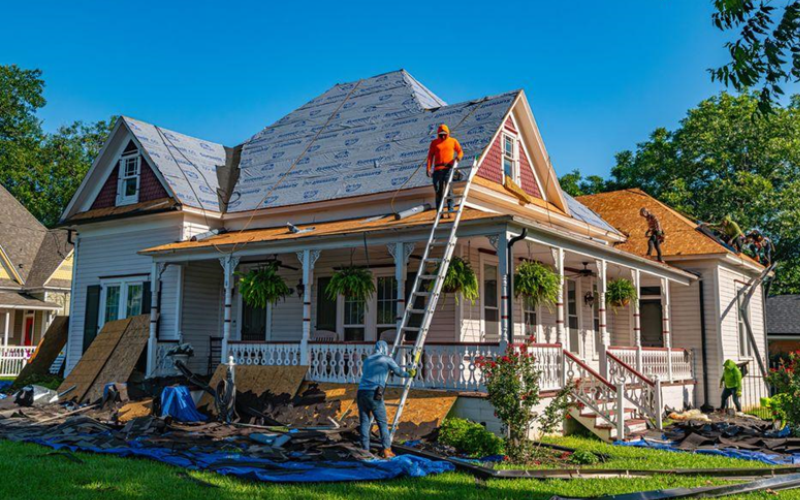
At this stage, consulting a professional roof replacement company can help homeowners understand whether continued repairs are practical or a complete replacement would provide better long-term protection. A thorough inspection should assess roofing materials, flashing, ventilation, and the condition of the underlying decking.
Replacement decisions should consider the roof’s age, previous repair history, and overall structural condition rather than relying on appearance alone. Addressing extensive deterioration before water reaches the interior can prevent considerably more expensive restoration work.
Keep Gutters Clear Before Water Reaches the Foundation
Gutters are easy to overlook because they perform their job quietly. When functioning correctly, they collect rainwater and direct it away from the house. Once clogged, however, water can overflow against exterior walls, fascia boards, and foundation areas.
Leaves, branches, and accumulated debris are common causes of blockages. During colder months, trapped water may also contribute to ice formation around roof edges.
Homeowners should inspect gutters after heavy storms and during seasons when surrounding trees shed leaves. Downspouts need attention as well, particularly where water collects near the foundation.
Cleaning alone may not resolve every problem. Sagging sections, disconnected joints, and inadequate drainage slopes can prevent water from moving efficiently.
Correcting these issues helps protect roofing edges, siding, landscaping, and below-grade spaces from unnecessary moisture exposure.
Investigate Ceiling Stains Before Repainting Them
A discolored ceiling might appear to be a cosmetic problem, but staining frequently indicates moisture entering from somewhere above.
Roof leaks are one possible cause, although plumbing failures, condensation, and poorly ventilated attic spaces can produce similar symptoms.
Simply painting over the stain conceals the evidence without addressing its source. Continued moisture exposure may damage insulation, drywall, and wooden framing.
Homeowners should document when stains appear or expand. For example, discoloration following heavy rainfall may suggest a different problem from moisture appearing beneath an upstairs bathroom.
Professional assessment becomes particularly important when staining spreads, surfaces soften, or electrical fixtures are nearby.
Once the moisture source has been corrected and affected materials have dried appropriately, cosmetic repairs can begin. Treating the cause first prevents the same damage from repeatedly returning.
Check Exterior Caulking Around Windows and Doors
Small gaps around windows and doors can allow rainwater and outdoor air to enter the building envelope. Over time, temperature changes, sunlight, and ordinary material movement can cause exterior sealants to crack or separate.
These openings may seem insignificant, but repeated moisture intrusion can damage surrounding trim and concealed framing.
Inspect exterior joints for visible cracks, missing sealant, or areas where materials have pulled apart. Pay particular attention to locations exposed to wind-driven rain.
Not every opening should be sealed indiscriminately. Certain window systems contain drainage paths that must remain unobstructed.
When repairs are appropriate, use sealants compatible with the surrounding materials and follow manufacturer recommendations.
Maintaining these vulnerable joints can improve weather resistance while reducing the likelihood of hidden water damage.
Address Basement Moisture Before Finishing Interior Walls
Basements frequently experience moisture problems because they sit below ground level and remain exposed to surrounding soil conditions.
Warning signs include musty odors, damp concrete, peeling finishes, and white mineral deposits on masonry surfaces.
These symptoms may result from exterior drainage problems, foundation cracks, groundwater pressure, or indoor condensation.
Before installing flooring, insulation, or finished walls, homeowners should identify the source of moisture. Covering damp surfaces with decorative materials can trap water and create conditions favorable to mold growth.
Solutions vary depending on the cause. Some properties benefit from improved grading and downspout extensions, while others require foundation repairs or dedicated water-management systems.
Resolving moisture issues before renovation protects the investment and makes the finished space more comfortable.
Maintain Attic Ventilation and Insulation Together
Attic maintenance often receives attention only when homeowners notice unusually high energy bills or uncomfortable indoor temperatures.
However, insulation and ventilation serve different purposes. Insulation limits heat transfer between living spaces and the attic, while properly designed ventilation helps manage heat and moisture within the roof assembly.
Blocked vents, inadequate insulation, and air leakage from living areas can contribute to condensation and uneven temperatures.
Homeowners should look for compressed insulation, moisture staining, or signs that stored belongings are obstructing ventilation openings.
Ventilation changes should follow the requirements of the specific roof design rather than assuming more airflow is always beneficial.
A professional energy assessment can help identify whether insulation, air sealing, or ventilation improvements would provide the greatest benefit.
Inspect Exterior Siding for Hidden Water Damage
Siding protects the structure beneath it, but its condition can deteriorate gradually. Loose panels, cracked sections, and damaged joints may allow water to reach materials that aren’t visible from outside.
Wood siding can develop rot, while other materials may warp, loosen, or separate at vulnerable connections.
Regular inspections should focus on corners, window surrounds, and areas where different building materials meet.
Discoloration and peeling paint can also indicate moisture problems, particularly when the same areas repeatedly deteriorate after repairs.
Damaged sections should be assessed promptly, and any compromised underlying materials addressed before new siding is installed.
Maintaining exterior cladding helps preserve both structural protection and the home’s overall appearance.
Build a Maintenance Schedule Around Seasonal Risks
Home maintenance becomes more manageable when inspections follow a predictable schedule rather than waiting for visible damage.
Spring is a useful time to examine roofing, gutters, drainage, and exterior surfaces after winter weather. Summer provides opportunities to address painting, sealing, and other repairs requiring suitable outdoor conditions.
Autumn inspections should focus on clearing drainage systems, checking weatherstripping, and preparing vulnerable areas for colder temperatures.
During winter, homeowners can monitor indoor moisture, attic conditions, and signs of ice accumulation without attempting unsafe roof access.
Keeping records of inspections, repairs, and contractor recommendations also helps identify recurring problems.
The objective isn’t to eliminate every future repair. It’s to recognize deterioration early enough that homeowners retain control over the cost, timing, and extent of necessary work.
