
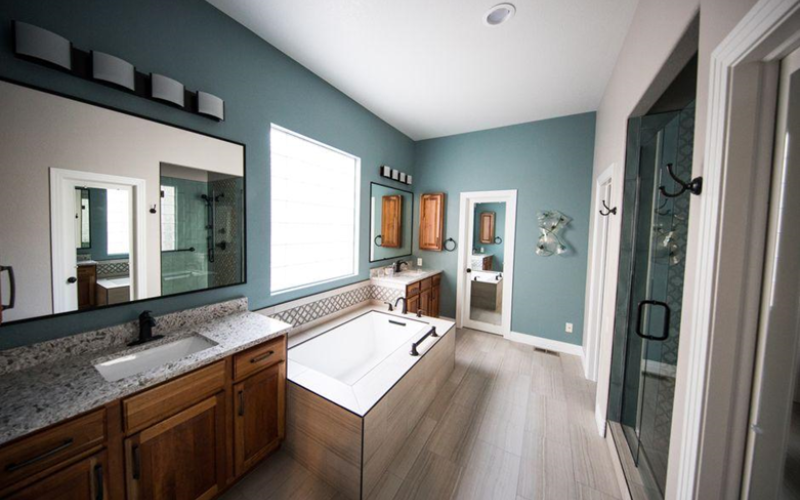
A home should support the way you live every day. Over time, small frustrations start to build up, such as a cramped kitchen, poor lighting, worn floors, or rooms that never quite feel warm enough. The good news is that renovation does not have to mean tearing down walls or starting over.
Thoughtful and practical upgrades can make your living space easier to use, more pleasant to spend time in, and far more attractive to look at.
Start With the Rooms You Use Most Often
When planning upgrades, it makes sense to begin with the spaces that see heavy daily use, since these are where small improvements make the biggest difference. The bath area is one of the hardest-working rooms in any house, and an outdated tub or shower can bring leaks, stubborn stains, mold, and a step-in height that becomes harder to manage with age.
A well-planned bath upgrade solves these problems by replacing worn fixtures with surfaces that are safer, cleaner, and easier to maintain. Homeowners can count on bath remodels by Bath Planet, with acrylic systems that resist mold and mildew, custom-fit installations, and many projects completed in a single day. A room that once caused daily stress can become a calm and comfortable part of your routine.
Make Your Kitchen Work Harder for You
The kitchen is often the heart of the home, yet many kitchens are laid out in ways that make cooking and cleaning more tiring than they need to be. If you constantly walk back and forth between the stove, sink, and refrigerator, small changes to how items are stored can save a great deal of effort.
Pull-out drawers in lower cabinets make heavy pots and pans easier to reach. Adding a small island or a rolling cart can give you extra prep space without a full rebuild. Replacing old cabinet handles and faucets is an affordable way to refresh the look of the room while making daily tasks smoother. Even rearranging what goes where, so that everyday items sit within easy reach, can make the kitchen feel more organized and welcoming.
Improve Lighting Throughout the Home
Good lighting changes the mood and usefulness of every room. Many homes rely on a single overhead fixture, which often leaves corners dim and creates harsh shadows. A better approach is to layer different types of light.
Ambient lighting provides general brightness for the whole room. Task lighting, such as under-cabinet strips in the kitchen or a reading lamp beside a chair, helps with specific activities. Accent lighting draws attention to artwork, shelves, or architectural details. Dimmer switches are another simple upgrade that let you adjust the atmosphere from bright and practical during the day to soft and relaxing in the evening.
Create Smarter Storage Solutions
Clutter makes any home feel smaller and more stressful. Instead of simply buying more containers, look for ways to build storage into the home itself. Built-in shelving around doorways or windows uses space that would otherwise go to waste.
Closets benefit from adjustable shelving and double hanging rods, which can nearly double the usable space. In entryways, a simple bench with hooks above it gives everyone a place to drop bags, coats, and shoes. Under-stair areas can be turned into cabinets, pantries, or even a small workspace. When everything has a clear place, keeping the house tidy becomes much easier.
Refresh Floors for Comfort and Durability
Flooring affects how a home looks, sounds, and feels underfoot. Worn carpet can trap dust and allergens, while scratched or uneven surfaces can make a space feel tired. Replacing old flooring is one of the most noticeable upgrades you can make.
Luxury vinyl plank has become a popular choice because it looks like natural wood while standing up well to spills, pets, and heavy foot traffic. Hardwood adds warmth and lasting value, especially in living and dining areas. Choosing flooring that suits how each room is used helps the entire home feel more comfortable and cohesive.
Use Color to Shape the Atmosphere
A fresh coat of paint is one of the simplest ways to transform a room. Color influences how large a space feels and the mood it creates. Light, neutral shades make small rooms appear more open and airy, while deeper tones can make large rooms feel cozy and inviting.
Consider the amount of natural light each room receives before choosing a shade. North-facing rooms often benefit from warmer colors, while sunny rooms can handle cooler tones without feeling cold. Painting trim, doors, or a single feature wall in a contrasting color adds character without overwhelming the space. Because paint is affordable and easy to change, it gives you room to experiment.
Keep Indoor Temperatures Comfortable
A home that feels drafty in winter or stuffy in summer is difficult to enjoy. Sealing gaps around windows and doors with weatherstripping is a quick fix that can make a real difference. Adding insulation to attics and walls helps keep heat in during colder months and out during warmer ones.
Upgrading to energy-efficient windows reduces outside noise as well as temperature swings. A programmable or smart thermostat lets you set schedules so the house is warm or cool when you need it, without wasting energy when no one is home.
Add Personal Touches That Make a House Feel Like Home
Practical upgrades provide comfort, but personal touches give a home its character. Thoughtfully chosen window treatments can soften a room while controlling light and privacy. Updated hardware on doors and cabinets offers a polished look that ties spaces together.
Indoor plants bring life and color into any room while helping the space feel fresh. Displaying family photos, artwork, or items collected over the years adds warmth and tells your story. Comfortable seating arranged for conversation encourages people to gather and relax. These details may seem small, but they turn a well-functioning house into a place you love coming back to each day.
