

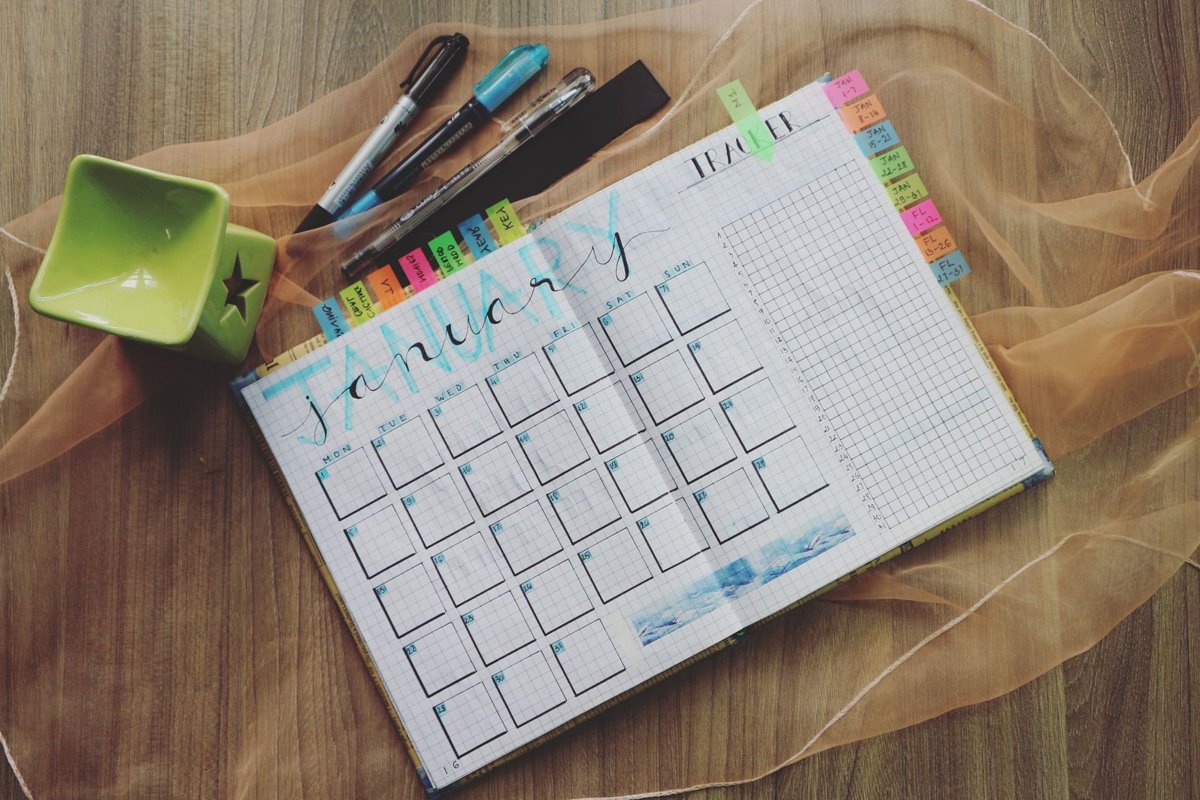
Learning how to organize your life does not mean buying a new planner every month or turning every hour into a strict schedule. It means building one simple system you trust: one place to capture tasks, one calendar for time, a short list of priorities, and a weekly review that keeps everything current. When those pieces work together, you spend less time wondering what you forgot and more time doing what matters. This guide shows a calm, realistic way to organize your days, weeks, and digital life without making your routine feel like a second job.
Key Takeaways For Organizing Your Life
- Use one capture list for every task, idea, and reminder.
- Put time-based commitments on one calendar only.
- Choose a small number of weekly priorities before adding tasks.
- Repeat simple morning and evening routines to reduce decisions.
- Review your system once a week and adjust it gently.
How To Organize Your Life With One Simple System
Most people do not need more apps. They need fewer places to check. A working life system has four parts, and each part has one clear job. Your capture list holds everything that needs attention. Your calendar holds anything tied to a date or time. Your routines handle repeated actions so you do not have to decide them again each day. Your weekly review connects the pieces, removes finished items, and sets the next week in order.
Keep the tools boring and familiar. A paper notebook, a phone notes app, or a basic task app can all work. What matters is opening the same place every time. If physical clutter is also adding stress, pair this system with our guide on how to declutter your home fast.
Start With A Brain Dump And One Capture List
Begin with a brain dump. Set a timer for twenty minutes and write down everything on your mind: bills, appointments, errands, work projects, family needs, health tasks, and small repairs. Do not sort while you write. The goal is to empty your head, not to solve everything in one sitting.
Next, move that list into one capture list. This is your inbox for life. Every new task goes there first, even if you plan to do it later. Write tasks as clear next actions. Instead of “dentist,” write “call dentist to book cleaning.” Instead of “car,” write “book car service for next week.” A clear action removes the pause where you try to remember what you meant.
- Keep the capture list where you will actually see it each day.
- Add tasks the moment you think of them, not at the end of the day.
- Write one action per line so nothing hides inside a vague note.
- Process the list during your daily check-in and weekly review.
A capture list also helps when your mind keeps replaying the same worries. Writing the next step gives the thought a home. If racing thoughts are a regular problem, our article on how to stop overthinking offers gentle ways to calm that mental loop.
Choose Your Priorities Before You Fill Your Calendar
An organized life is not a full calendar. It is a calendar that reflects your priorities. Before you add more tasks, decide what matters most this week. Pick three main priorities at most. They might include a work deadline, a family commitment, and one personal goal. Everything else supports those priorities or waits.
To choose well, look at your longer goals. A weekly plan that never connects to your goals will always feel busy but strangely empty. If you need help naming what you want, start with these examples of personal goals and pick one or two that fit your current season of life.
Then sort your capture list with simple questions. Does this need a date? Put it on the calendar. Is it a next action you can do this week? Add it to your weekly list. Does it take less than two minutes? Do it during your next check-in. Is it not important right now? Move it to a “later” list so it stops competing for attention.
Build A Weekly Plan You Can Actually Follow
Your calendar should show time honestly. Add fixed commitments first: work hours, appointments, school runs, and family events. Then block time for your three priorities. A priority without time on the calendar is only a wish. Short blocks work well. Thirty focused minutes often beats a vague plan to “work on it sometime.”
Leave white space. A week with no gaps breaks at the first delay. Add buffer time before appointments, and keep at least one lighter evening. When something urgent appears, you can move a flexible block instead of losing the whole plan.
- Review the coming week before you add new commitments.
- Block time for priorities before filling time with small tasks.
- Group errands and calls together to save trips and energy.
- Protect one unscheduled block for rest or catching up.
Each morning, look at the day and choose up to three most important tasks. Write them at the top of your list. If the day goes sideways, finishing even one of them keeps the week moving. This small daily choice is easier to keep than a long list you rewrite every night.
Create Simple Daily Routines That Reduce Decisions
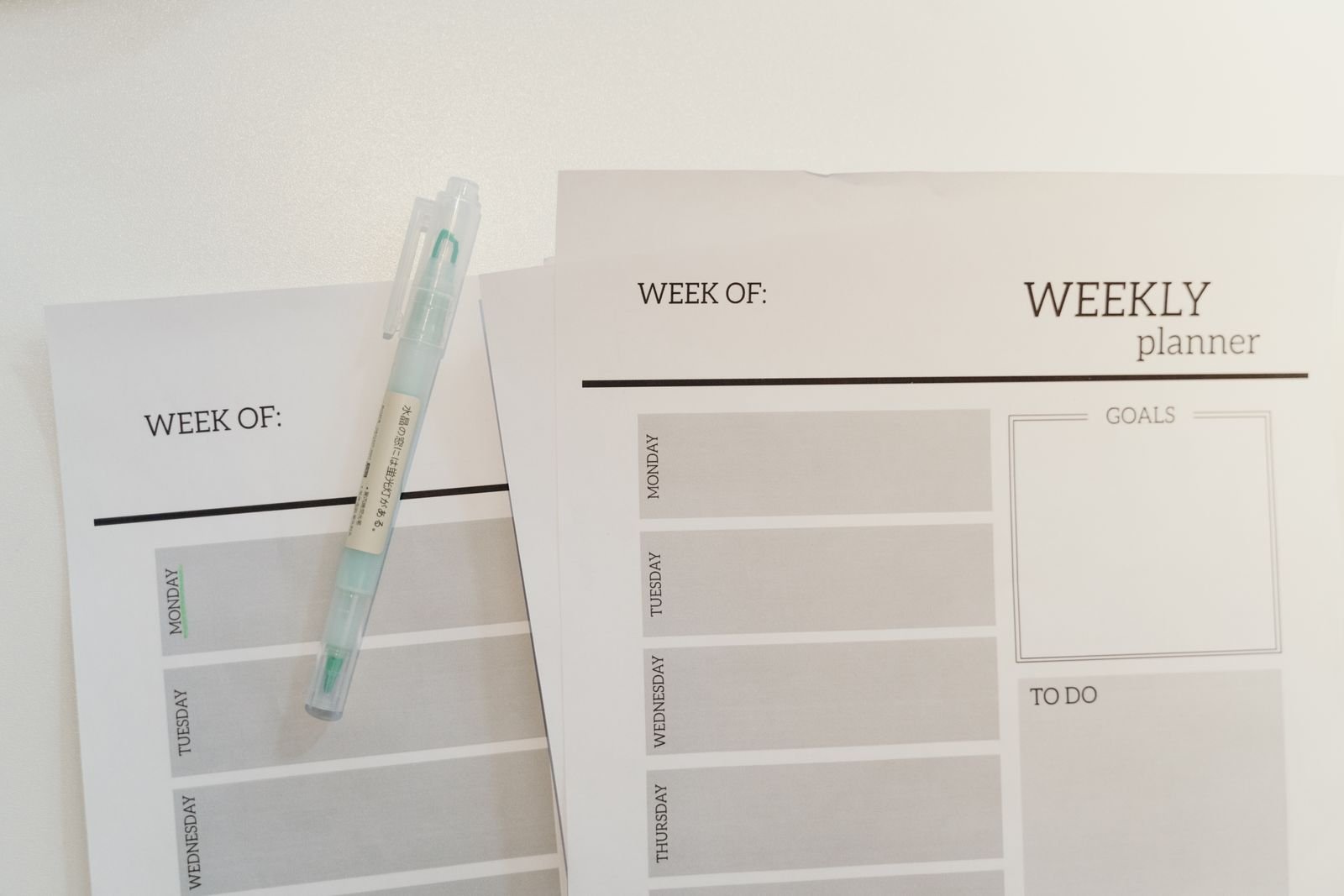
Routines organize life quietly. A morning routine does not need to start at dawn or include ten steps. It only needs to start your day in the same calm order. Wake, get light, move a little, check your calendar, and choose your top tasks. Keep it short enough that you can do it on a busy day.
An evening routine closes the day. Review tomorrow’s calendar, lay out what you need, capture loose tasks, and set a phone charging spot outside easy reach if that helps you wind down. Ten minutes in the evening can prevent a rushed, forgetful morning.
Use routines for repeated life admin too. Pick a weekly money check, a regular laundry time, and a set day for grocery planning. If you miss a routine, restart at the next one instead of waiting for a perfect Monday.
Organize Your Digital Life Without Adding More Apps
Digital clutter can make an organized week feel chaotic. Start with the places you open most: your phone home screen, email inbox, downloads folder, and photo library. Keep only daily tools on the home screen. Move rarely used apps out of sight, and turn off notifications that do not need an immediate reply.
Give files simple names and a few broad folders, such as Finance, Health, Home, Work, and Family. Once a month, clear downloads, delete obvious duplicates, and back up important documents in one safe place.
- Use one calendar for personal and family events, with clear titles.
- Keep passwords in a password manager instead of scattered notes.
- Unsubscribe from emails you never open during your weekly review.
- Set phone limits for apps that steal time you meant for rest.
Digital organization should serve your real life, not become another project. If a tool needs constant sorting to stay useful, simplify the tool or remove it.
Protect Time For Sleep Movement And Rest
An organized life must include recovery, or the system will collapse under tiredness. Adults aged 18 to 60 need seven or more hours of sleep per night, according to guidance summarized by Houston Methodist from Centers for Disease Control and Prevention recommendations. Protecting a regular bedtime is therefore part of planning, not a reward after planning.
Movement also belongs on the calendar. The Centers for Disease Control and Prevention recommends that adults get at least 150 minutes a week of moderate-intensity activity, such as brisk walking, plus muscle-strengthening activity on at least two days a week. You can split activity into shorter sessions across the week, which makes it easier to fit around work and family life.
Schedule rest with the same respect. A walk without your phone, time with family, or an hour with a book is not wasted time. It is what makes the rest of your system sustainable.
Review Your Week And Adjust The System
The weekly review is where organization stays alive. Choose a regular time, such as Sunday afternoon or Friday after work, and spend twenty to thirty minutes closing the week. Empty your capture list, check unfinished tasks, look at next week’s calendar, and choose your three priorities.
- Mark finished tasks and notice what actually got done.
- Move unfinished tasks to a new date or delete them honestly.
- Check bills, appointments, and family events for the week ahead.
- Ask what felt heavy and what you can simplify next week.
Keep the review kind. It is a reset button, not a report card. If a task keeps moving, make it smaller, schedule it earlier, ask for help, or admit it no longer matters.
A Simple Seven Day Starter Plan
If your life feels too messy to organize all at once, use one week to build the system step by step.
- Day One: Do a twenty-minute brain dump into one capture list.
- Day Two: Put every dated item onto one calendar.
- Day Three: Choose three priorities for the week and block time for them.
- Day Four: Create a short morning and evening routine.
- Day Five: Clean your phone home screen and email notifications.
- Day Six: Schedule sleep, movement, and one rest block.
- Day Seven: Hold your first weekly review and plan the next week.
After the first week, do not redesign everything. Keep what worked, adjust what felt awkward, and repeat. A system becomes easier because you use it, not because it looks impressive.
Frequently Asked Questions About Organizing Your Life
How Long Does It Take To Organize Your Life
You can set up the basic system in one week, but keeping life organized is an ongoing habit. Most people feel calmer after the first brain dump and weekly plan. The real benefit grows as you repeat the weekly review and stop relying on memory.
What Is The First Step To Organize Your Life
Start by writing everything down in one capture list. Do not sort or judge the list while you write. Once every task and reminder is visible, you can decide what needs a calendar date, what can wait, and what no longer matters.
Should I Use A Paper Planner Or A Digital App
Use the tool you will open every day. Paper suits people who think better by hand and want fewer notifications. Digital tools suit people who need reminders, shared calendars, or access across devices. Either choice works if you use one main system.
How Do I Stay Organized When Life Gets Busy
Return to the basics: check your calendar, choose three important tasks, and protect sleep where you can. During busy weeks, shorten routines instead of dropping them completely. A five-minute evening check-in still keeps tomorrow from starting in confusion.
What If I Keep Falling Behind On My Plan
Falling behind usually means the plan was too full, not that you failed. Move unfinished tasks honestly, reduce next week’s priorities, and add more buffer time. A smaller plan you finish builds more trust than a perfect plan you abandon.
Conclusion Keep The System Small And Current
The secret of how to organize your life is not intensity. It is consistency. One capture list, one calendar, three weekly priorities, simple routines, and a short weekly review can bring order to even a busy season. Start small, keep the system current, and let it support your life instead of controlling it. When your plan is clear, your days feel lighter, your decisions come faster, and you can give your best energy to the people and goals that matter most.
