
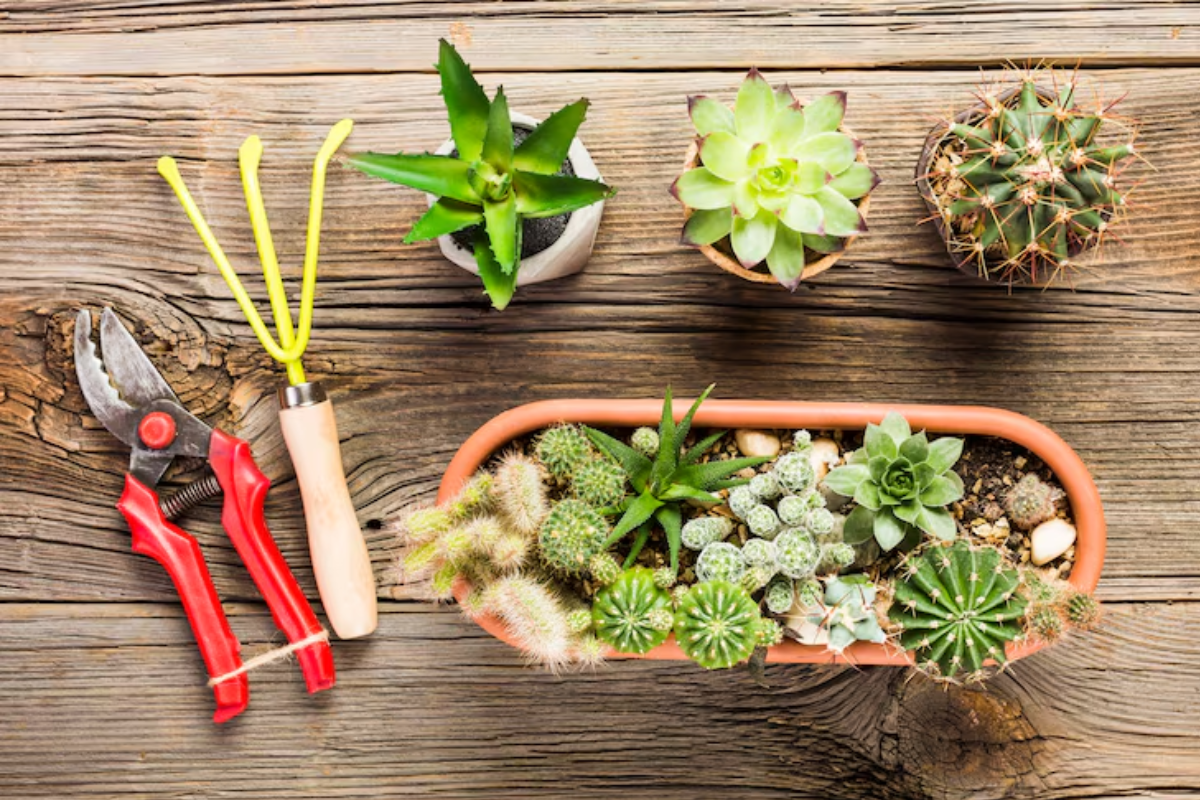
Succulents are popular plants because they store water in their leaves, stems, or roots, allowing many varieties to survive periods of dry weather. They come in different shapes, sizes, and colors, making them suitable for windowsills, balconies, gardens, and indoor plant collections. However, knowing how to plant succulents correctly is important for keeping them healthy and helping their roots establish successfully.
For beginners, the process is straightforward when you choose a suitable pot, use well-draining soil, and provide the right amount of light and water. Succulents generally do not need constant watering, and too much moisture around their roots can cause problems.
This guide explains how to plant succulents step by step, from choosing the right supplies to caring for newly planted succulents. Whether you want to grow a single plant in a small container or arrange several varieties together, understanding the basics will help you create suitable growing conditions.
What You Need to Plant Succulents?
Before planting, gather a healthy succulent, a suitable pot, and a growing mix designed for succulents and cacti. You may also need a small gardening trowel, gloves, and a clean surface for handling the soil.
Choose a plant with firm leaves and a healthy appearance. Avoid plants with widespread mushy leaves, darkened stems, or signs of severe root damage. A few dry lower leaves may be normal, but widespread softness or discoloration can indicate a problem.
Your pot should provide enough room for the roots without being excessively large. A container that holds too much unused, damp soil can make moisture management more difficult.
Having everything ready before you begin makes planting easier and reduces the time the roots spend exposed to air.
Choosing the Best Soil for Succulents
The best soil for succulents allows excess water to drain while providing enough support for the roots. Ordinary garden soil can become compacted in containers and may hold too much moisture, particularly when it contains a high amount of clay.
A commercial cactus and succulent potting mix is a convenient option for most beginners. Check its texture and drainage rather than assuming every product is suitable for every growing condition. Some mixes may benefit from added materials such as pumice or perlite to improve airflow and drainage.
If you prepare your own mix, combine a suitable potting medium with mineral materials such as pumice or perlite. The right proportions depend on the ingredients, climate, container, and succulent variety. The finished mix should not remain waterlogged after watering.
Avoid using heavy, compacted soil that stays wet for long periods. Good drainage is particularly important because succulent roots need both moisture and access to air.
How to Choose the Right Pot for Succulents?
A suitable pot helps prevent excess moisture from collecting around succulent roots. The most important feature is a drainage hole at the bottom, which allows surplus water to escape.
Terracotta pots are popular because their porous sides allow moisture to evaporate more readily than it does through plastic or glazed ceramic. Plastic and glazed pots can also work well, but watering may need more attention because their sides retain moisture.
Choose a pot that is only slightly larger than the root system. An oversized container contains more soil than the plant can use, and that soil may stay wet longer than expected. A pot that is too small, however, may restrict root growth.
Decorative containers without drainage holes are less suitable for beginners. If you want to use one, keep the succulent in a separate pot with drainage and place that pot inside the decorative container. Empty any collected water after watering.
How to Plant Succulents Step by Step?
Prepare the Pot and Soil
Start with a clean pot that has drainage holes. Add enough dry or slightly moist succulent potting mix to support the plant while leaving room for its roots. Do not place a layer of gravel at the bottom as a substitute for drainage holes; it does not improve drainage in the way many gardeners expect.
Check that the soil is loose enough for roots to grow through it. If it is tightly packed or remains soggy, choose a more suitable mix before proceeding.
Remove the Succulent From Its Original Container
Hold the plant gently near its base and carefully squeeze the sides of its nursery pot if necessary. Turn the container slightly and ease the root ball out without pulling hard on the leaves or stem.
If the plant resists, loosen the soil around the pot’s edges before trying again. Inspect the roots for damage or signs of rot. Healthy roots are generally firm, while rotten roots may be dark, soft, and unpleasant-smelling.
Remove loose, unhealthy soil and trim clearly rotten roots with clean scissors if needed. Avoid disturbing healthy roots more than necessary.
Position the Roots and Plant at the Correct Depth
Make a small space in the prepared soil and position the succulent so its roots can spread naturally. The plant should sit at approximately the same depth as it did in its original container.
Keep the stem base and lower leaves from being buried unnecessarily. Leaves resting against damp soil may become damaged, and a deeply buried stem can be more vulnerable to rot.
Hold the succulent upright while gently arranging its roots. If the roots are tightly packed, loosen them carefully without forcing them apart.
Fill the Pot and Secure the Plant
Add potting mix around the roots until the plant is supported. Gently settle the soil with your fingers, but do not press it down so firmly that it becomes compacted.
Check that the succulent stands upright and does not wobble easily. Add a little more soil where needed, leaving enough space below the rim for watering.
Do not cover the plant’s central growing point or bury its lower leaves. The aim is to support the roots while keeping the stem and leaves in a suitable position above the soil.
Leave Space for Airflow and Growth
If you are planting more than one succulent in a container, leave enough room for each plant to grow. Crowded plants can compete for space and make watering more difficult.
Consider the mature size of each variety, not just how small it looks when purchased. Spreading succulents need more horizontal space, while taller varieties need enough room to remain stable.
Good spacing also makes it easier to inspect the plants and remove damaged leaves when necessary.
When and How to Water Succulents After Planting?
Watering newly planted succulents requires attention to the plant’s condition and the type of potting mix. Some succulents benefit from a short settling period after repotting, especially if their roots were damaged or trimmed. In that case, wait until damaged roots have had time to dry before watering. If the roots are healthy, follow the needs of the particular plant and the instructions appropriate to its growing conditions.
When it is time to water, moisten the soil thoroughly and allow excess water to drain from the bottom. Avoid giving the plant tiny amounts of water repeatedly while leaving most of the root zone dry.
Before watering again, check whether the soil has dried sufficiently. The time this takes depends on the temperature, light, humidity, pot material, and soil mix. Succulents grown in warm, bright conditions may dry faster than those kept in cool or dim locations.
Watch for signs of watering problems. Soft, translucent, or mushy leaves can indicate excess moisture, while wrinkled leaves may indicate that a plant needs water. These symptoms can have other causes, so consider the soil condition and overall health before changing your watering routine.
Where to Place Newly Planted Succulents?
Most succulents need bright light, but the amount of direct sunlight they can tolerate depends on the variety and its previous growing conditions. Place indoor succulents near a bright window where they receive suitable light. If natural light is limited, some varieties may benefit from a suitable grow light.
Avoid moving a plant straight from a shaded shop or indoor setting into intense midday sunlight. Introduce stronger light gradually to reduce the risk of sunburn, which can appear as pale, brown, or scorched patches on the leaves.
Outdoor succulents generally do best in locations that provide suitable sunlight, good drainage, and protection from conditions their varieties cannot tolerate. Some prefer several hours of direct sun, while others grow better in partial shade.
Temperature also matters. Although many succulents tolerate dry conditions, not all tolerate frost, extreme heat, or sudden temperature changes. Check the needs of your particular plant before choosing a permanent location.
How to Care for Succulents After Planting?
Once you know how to plant succulents, consistent aftercare helps the plants establish healthy roots. Start by observing how the soil dries and how the plant responds to its new location. Avoid changing its watering routine unnecessarily when it appears healthy.
Provide suitable light and rotate the pot occasionally if the plant leans toward a window. Remove dead leaves gently, especially if they collect around the base and trap moisture. Healthy lower leaves may dry naturally as the plant grows, so not every fallen leaf indicates a problem.
Check the plant regularly for pests, unusual discoloration, and soft areas near the stem. Make sure water drains freely and does not remain in an outer decorative pot or saucer.
Repotting is not necessary immediately after planting unless the container or soil is unsuitable. Consider repotting when the plant outgrows its container, the soil no longer drains properly, or the roots show signs of a problem. Choose a new pot based on the root system rather than simply selecting a much larger container.
Common Mistakes to Avoid When Planting Succulents
One common mistake is using soil that holds too much water. Succulents need moisture, but their roots can suffer when the growing medium stays wet for extended periods. Choose a suitable potting mix and a container with drainage.
Another mistake is watering too frequently. Succulents store water in their tissues, so they usually need the soil to dry between waterings. However, the exact timing varies by species and growing conditions.
Planting too deeply can also cause problems. Keep the stem base and leaves positioned appropriately above the soil, and avoid covering the central growing point.
Finally, do not assume that every succulent needs full, direct sunlight. Some varieties tolerate strong sun, while others prefer filtered light or partial shade. Introduce changes in sunlight gradually, and adjust the plant’s position if its leaves show signs of stress.
Planting Different Succulents Together
You can plant different succulents together in one container if they have similar light, watering, and temperature requirements. Choose varieties that can grow comfortably in the available space and use a pot with adequate drainage.
Avoid combining plants with very different needs, such as a variety that prefers frequent moisture with one that requires the soil to dry quickly. Consider each plant’s mature size and growth pattern before arranging them.
Leave enough space between plants for airflow and future growth. Although a closely arranged display may look attractive initially, overcrowding can make it harder to manage moisture and inspect the plants for problems.
FAQs
What Is the Easiest Way to Plant Succulents?
The easiest method is to use a pot with drainage holes and a suitable succulent potting mix. Position the plant at its original depth, gently cover its roots, and place it in an appropriate light conditions for its variety.
How Deep Should Succulents Be Planted?
Plant succulents at approximately the same depth as they were growing previously. Cover the roots with soil, but avoid burying the stem or lower leaves unnecessarily.
Should You Water Succulents Before Planting?
A succulent does not always need watering immediately before planting. If its soil is already moist, additional water may be unnecessary. Healthy roots can usually be handled carefully, while damaged or trimmed roots should be allowed to dry before watering.
How Long Do Succulents Take to Establish Roots?
Root establishment varies according to the species, temperature, light, and growing conditions. Some plants settle relatively quickly, while others take several weeks or longer. Stable growth and a plant that remains firmly anchored can indicate progress.
Can You Plant Succulents in Regular Garden Soil?
Regular garden soil is often unsuitable for pots because it can compact and retain excess moisture. A well-draining cactus and succulent mix is generally a better choice for container planting.
What Is the Best Time to Plant Succulents?
The best time depends on the variety and local climate. Many succulents establish well during mild weather when temperatures are suitable for active growth. Avoid exposing newly planted succulents to extreme heat or cold.
Why Is My Succulent Dying After Planting?
Possible causes include overwatering, poor drainage, unsuitable light, root damage, or sudden environmental changes. Check the soil moisture, inspect the roots if necessary, and review the plant’s specific growing requirements before deciding what needs to change.
Conclusion: The Essentials of Planting Healthy Succulents
Learning how to plant succulents begins with choosing a healthy plant, a suitable pot, and soil that drains well. Planting at the correct depth, handling the roots gently, and leaving enough space for growth help create a good foundation.
After planting, provide suitable light and water according to the plant’s needs rather than following a rigid schedule. Pay attention to soil moisture and signs of stress, and make adjustments when necessary.
With the right planting method and consistent care, you can give your succulents a healthy start and enjoy their varied shapes and colors as they grow.
