
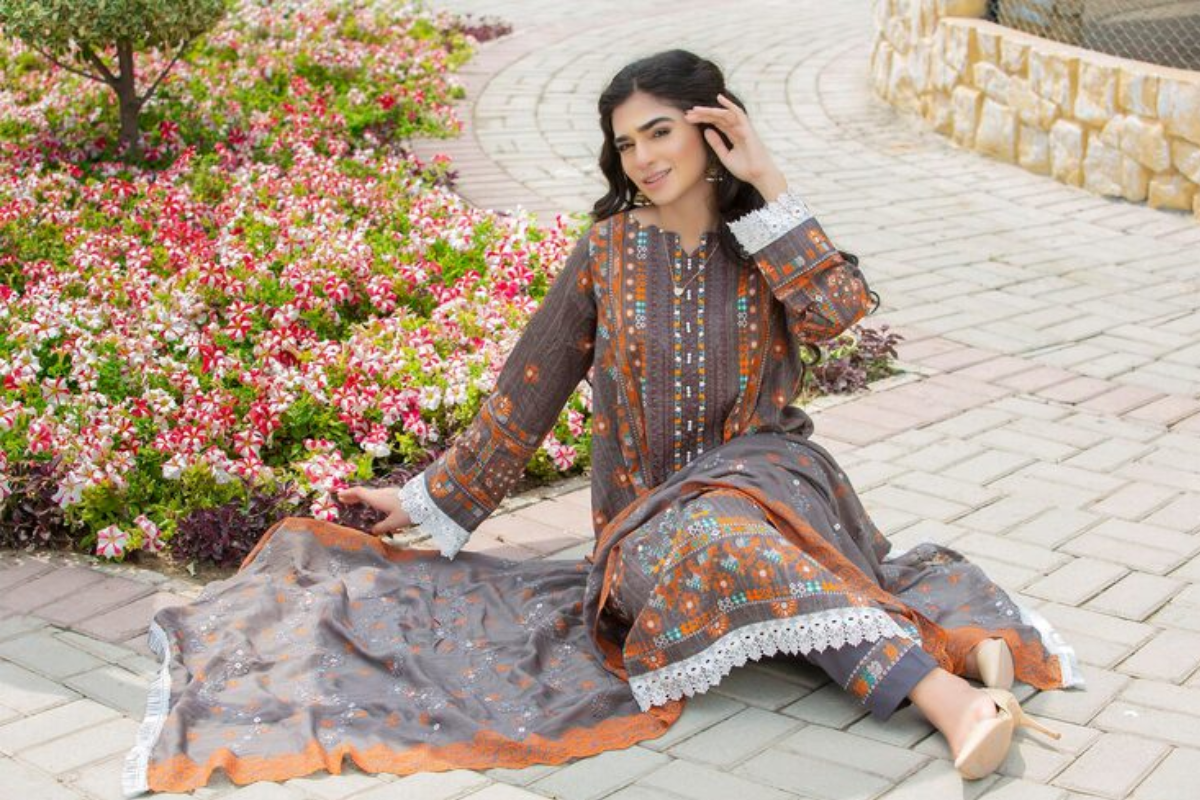
Pakistani fashion has changed significantly over the years, but its connection to tradition has remained strong. Women’s clothing has gradually evolved from classic silhouettes and handcrafted details to contemporary designs that combine cultural influences with modern lifestyles. Today, Pakistani fashion offers an exciting variety of styles, allowing women to celebrate tradition while expressing individuality.
Traditional Roots of Pakistani Fashion
The story of Pakistani women’s clothing begins with traditional garments that have been worn and adapted across generations. Shalwar kameez, dupattas, embroidered shirts, and flowing silhouettes have long been important parts of everyday and occasion dressing.
Regional cultures have also contributed different patterns, embroidery techniques, fabrics, and color combinations. These influences created a diverse fashion identity rather than a single definition of Pakistani clothing.
Traditional outfits were often associated with craftsmanship, cultural celebrations, and practical everyday wear.
The Shalwar Kameez Through the Years
The shalwar kameez remains one of the most recognizable forms of Pakistani clothing. Although its basic concept has remained familiar, its styling has changed considerably.
Earlier versions often featured relatively simple cuts and traditional embroidery. Modern interpretations may include straight trousers, wide-leg pants, shorter or longer shirts, contemporary necklines, and innovative sleeve designs.
This flexibility has helped the shalwar kameez remain relevant as lifestyles and fashion preferences have changed.
Changing Fabrics and Textures
Fabric has played an important role in the evolution of women’s fashion. Traditional materials such as cotton, lawn, silk, chiffon, and linen continue to be popular, but their presentation has changed over time.
Designers and clothing brands increasingly experiment with combinations of textures, embroidery, prints, and finishes. Lightweight fabrics are especially popular for warmer months, while richer materials often appear in formal and festive collections.
The result is a wardrobe that offers both comfort and visual variety.
The Rise of Contemporary Design
As Pakistani fashion developed, designers began introducing more contemporary silhouettes and styling techniques. Traditional clothing started appearing in updated forms, making it easier to wear for professional settings, social gatherings, and modern lifestyles.
Clean tailoring, minimal embroidery, coordinated separates, and creative layering have become common elements of contemporary Pakistani fashion.
For shoppers interested in refined fashion, pakistani designer clothes represent one way to explore how traditional craftsmanship can be combined with modern design concepts.
The Influence of Color and Prints
Color trends have also changed dramatically. While traditional wardrobes often featured rich and vibrant shades, modern collections frequently include pastels, neutrals, earthy tones, and softer combinations.
Prints have evolved as well. Classic floral and cultural motifs continue to appear alongside abstract patterns, geometric designs, botanical illustrations, and contemporary artistic prints.
This wider range gives women more freedom to choose clothing according to their individual personalities and occasions.
Embroidery Gets a Modern Update
Embroidery remains an important part of Pakistani fashion, but its use has become more versatile. Instead of covering an entire garment with heavy decoration, modern designs may use embroidery selectively around the neckline, sleeves, borders, or hem.
Delicate details can create an elegant appearance without making an outfit feel overly formal. At the same time, elaborate embroidery continues to have an important place in festive and wedding fashion.
This balance allows traditional craftsmanship to remain relevant in contemporary wardrobes.
From Tailored Outfits to Ready-to-Wear
One of the biggest changes in Pakistani fashion has been the growth of ready-to-wear clothing. Traditionally, many outfits were purchased as fabric and then tailored according to individual measurements.
Ready-to-wear collections have made fashion more convenient for modern shoppers. Women can now find coordinated outfits with established cuts, prints, and finishing details without spending as much time arranging individual tailoring.
This shift reflects changing lifestyles and the growing demand for convenience.
The Role of Seasonal Collections
Seasonal fashion has become another major part of the industry. Summer collections often focus on lightweight fabrics, bright colors, floral prints, and breathable designs, while winter collections introduce warmer fabrics and deeper shades.
Festive collections may feature embroidery, embellishments, luxurious textures, and more elaborate silhouettes.
Seasonal collections allow women to refresh their wardrobes while maintaining familiar cultural elements.
Modern Styling and Mix-and-Match Fashion
Women today have more freedom to combine different pieces than ever before. Traditional shirts can be paired with contemporary trousers, while classic dupattas can be styled with simpler outfits.
Mix-and-match dressing also makes wardrobes more versatile. A single printed shirt can potentially be worn with different bottoms and accessories, creating several distinct looks.
This approach reflects a growing interest in personal style rather than strict fashion rules.
The Influence of Digital Fashion
Social media and online shopping have significantly changed how women discover fashion. Instead of relying only on physical stores or traditional fashion magazines, shoppers can now explore new collections, styling ideas, and trends through digital platforms.
Fashion inspiration is also more accessible. A new color combination or styling idea can quickly become popular across different communities.
This has encouraged greater experimentation while making Pakistani fashion visible to wider audiences.
Sustainability and Thoughtful Shopping
Modern consumers are increasingly interested in buying clothing thoughtfully. Rather than purchasing large quantities of short-lived trends, many people are looking for versatile pieces that can be worn on multiple occasions.
Choosing quality fabrics, timeless designs, and adaptable clothing can make a wardrobe more practical. Reusing existing pieces through new combinations can also extend their usefulness.
These habits encourage a more intentional approach to fashion.
Regional Influence Remains Strong
Despite modern changes, regional craftsmanship continues to influence Pakistani women’s clothing. Embroidery styles, traditional motifs, weaving techniques, and cultural patterns remain valuable sources of inspiration.
Different regions contribute their own visual identity, helping Pakistani fashion remain diverse and distinctive.
Modern designers can reinterpret these influences through contemporary silhouettes while preserving the character of traditional craftsmanship.
What the Future May Bring
The future of Pakistani women’s fashion will likely continue to combine heritage with innovation. Technology, changing lifestyles, international influences, and evolving consumer preferences will introduce new ideas.
At the same time, traditional craftsmanship is unlikely to disappear. Instead, it may continue to be reinterpreted through modern fabrics, silhouettes, and styling techniques.
This combination of old and new is what makes Pakistani fashion particularly dynamic.
Conclusion
The evolution of women’s clothing in Pakistani fashion reflects a beautiful balance between heritage and modernity. Traditional garments, craftsmanship, fabrics, colors, and embroidery continue to inspire contemporary designs. As lifestyles and preferences change, Pakistani fashion adapts while maintaining its cultural character, giving women versatile choices for everyday life and special occasions.
