

Soda is easy to love. It is cold, fizzy, sweet, and ready in seconds. For many people, it is also a habit tied to lunch, a long drive, a movie night, or that afternoon moment when energy dips and something refreshing sounds perfect. Cutting it out can therefore feel harder than it sounds, even when you know you would like to drink less sugar.
The good news is that you do not have to choose between a boring glass of plain water and a sugary drink. The best healthy alternatives to soda work because they replace what you actually enjoy about soda, whether that is the fizz, the flavour, the sweetness, the chill, or the ritual of opening a cold can. When a swap ticks most of those boxes, it is far easier to stick with it.
This guide focuses on simple, everyday options. It does not promise quick results or a perfect diet. It simply offers practical swaps, label-reading tips, and a gradual way to cut back, so you can find a drink you genuinely like.
Why Soda Is Hard To Give Up
Soda rarely appeals for only one reason. The bubbles give it a lively feeling that still water does not have. The sweetness is immediate and predictable. The flavour is strong, whether it is cola, lemon-lime, orange, or root beer. And the habit itself can be comforting: the same drink, at the same time, in the same place, day after day.
That combination helps explain why a simple instruction such as “just drink water” often fails. If you miss the fizz, plain water may feel flat. If you miss sweetness, unsweetened tea may taste sharp at first. A useful swap starts by asking a simple question: what part of soda do I miss most? Your answer points to the replacement most likely to work for you.
Sugar content is another reason to pay attention. The Centers for Disease Control and Prevention (CDC) describes sugary drinks as the leading source of added sugars in the American diet, and notes that adults who often drink sugary drinks are more likely to experience health problems including weight gain, obesity, type 2 diabetes, heart disease, cavities, and gout. The CDC lists regular soda at about 10 teaspoons of sugar and 155 calories in the examples it publishes. That does not mean one soda ruins a healthy eating pattern, but it does show how quickly added sugar can add up from drinks alone.
The American Heart Association recommends limiting added sugars to no more than 6 teaspoons, or about 100 calories, per day for most women, and no more than 9 teaspoons, or about 150 calories, per day for men. A single regular soda can therefore use up a full day’s suggested added-sugar limit before food is even counted. Checking that comparison can be eye-opening, but it is best used as information, not guilt. The goal here is a tastier routine, not a perfect record.
What Makes A Soda Swap Satisfying?
Before choosing a drink, it helps to think about five qualities that make soda enjoyable:
- Fizz: bubbles and a crisp, refreshing bite.
- Flavour: a clear taste, such as citrus, berry, mint, ginger, or peach.
- Sweetness: a gentle sweetness, rather than an intense sugar hit.
- Cold and convenience: a chilled drink that is ready without much preparation.
- Ritual: a familiar moment, such as a drink with lunch or after a walk.
Most people need only two or three of these qualities to feel satisfied. Someone who mainly wants fizz may love sparkling water. Someone who mainly wants flavour may prefer iced herbal tea. Someone who mainly wants a sweet treat may enjoy a small fruit spritzer. Keeping the ritual can also help: use the same glass, the same time of day, or the same spot on the porch, and the new drink becomes part of the habit rather than a chore.
Taste also changes gradually. If unsweetened drinks taste too plain at first, that is normal. Many people find that after a week or two of lighter sweetness, fruit and sparkling water taste brighter and more interesting than they did before.
1. Sparkling Water With Citrus, Cucumber, Or Herbs
Sparkling water is the closest simple swap for soda lovers who mainly miss fizz. It has bubbles, it is served cold, and it can be flavoured in seconds. Start with plain sparkling water, then add a squeeze of lemon, lime, or orange. Cucumber slices add a cool, clean flavour. Fresh mint or basil adds aroma without sweetness.
For a stronger flavour, try combinations that feel like a real recipe rather than a compromise. Lemon and mint is bright and fresh. Orange and basil is fragrant and slightly sweet from the fruit itself. Cucumber and lime is crisp and ideal on a warm day. Strawberry slices and mint can give a gentle berry note, especially if the fruit is ripe and slightly crushed in the glass.
When buying sparkling water, read the label. Choose unsweetened varieties with no added sugar. Flavoured sparkling waters can be useful, but some contain sweeteners or added sugars, so the flavour on the front of the can is not enough information on its own. The ingredients list and the “added sugars” line on the nutrition label tell the real story.
Harvard T.H. Chan School of Public Health’s Nutrition Source notes that water is the best choice for quenching thirst, that coffee and tea without added sweeteners are also healthy choices, and that it is generally best to avoid sugary drinks such as soda, sports beverages, and energy drinks. Unsweetened carbonated water fits comfortably into that picture: it offers the experience of soda without the sugar load.
2. Infused Still Water For Everyday Hydration
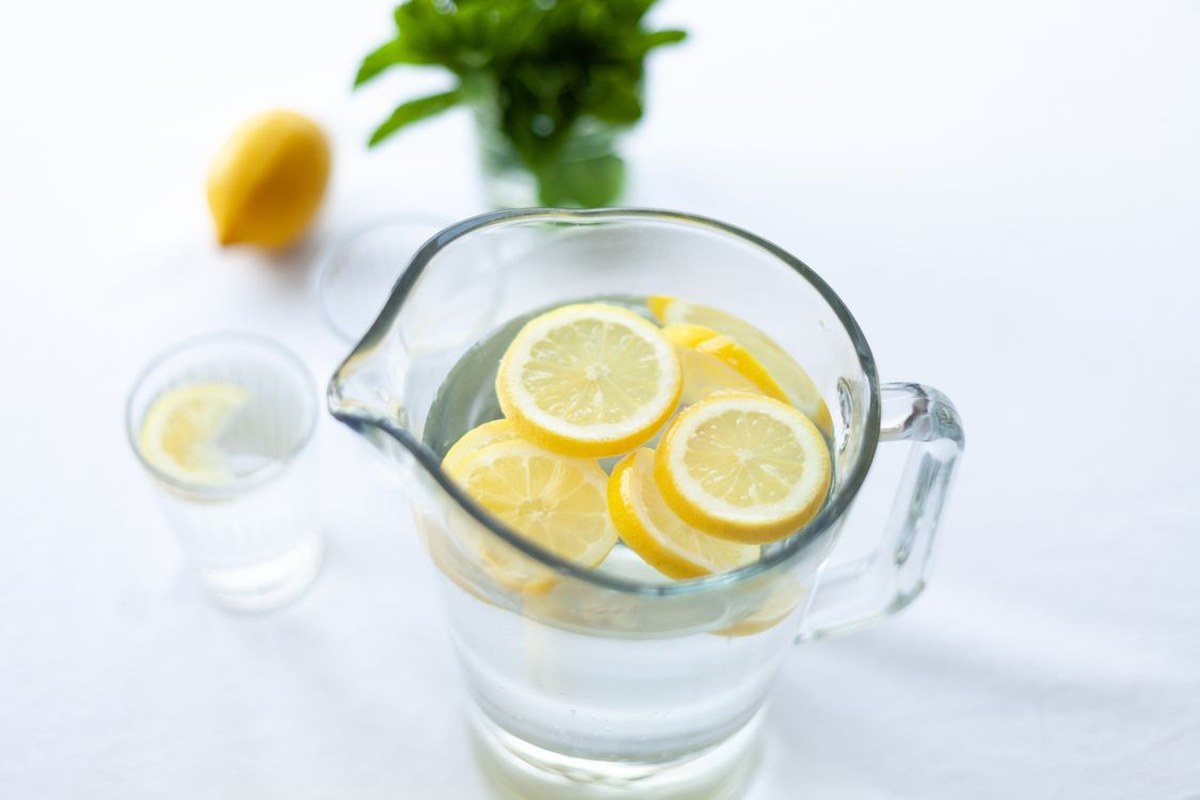
Not everyone wants bubbles all day. Infused still water is a calm, refreshing option for work, school runs, and meals. It is also one of the easiest drinks to prepare in a larger batch. Fill a jug with cold water, add sliced fruit, cucumber, or herbs, and let it sit in the fridge for an hour or two. The flavour becomes gentle rather than intense, which suits many people better than a strongly flavoured drink.
Good starting combinations include lemon and cucumber, orange and blueberry, apple and cinnamon stick, and watermelon and mint in summer. Use fruit you already have at home, and keep the pieces large enough to remove easily. Infused water is best enjoyed the same day, and the jug should be kept chilled.
This swap works well as a default drink. If soda is your usual choice with lunch, put a jug of infused water on the table instead. You are not relying on willpower in the moment; you have already made the easier choice the visible one. Small changes to your surroundings, such as keeping a reusable bottle filled and ready, often matter more than a strict rule.
3. Unsweetened Iced Tea, Hot Tea, And Herbal Tea
Tea is one of the most flexible soda alternatives because it offers flavour, aroma, and variety without needing sugar. Black tea, green tea, and herbal teas can all be served hot or iced. Iced tea with lemon and mint feels especially close to a refreshing soft drink, while a warm herbal tea in the evening can replace the habit of reaching for something sweet after dinner.
To make iced tea at home, brew tea a little stronger than usual, let it cool, then pour it over ice with lemon, orange slices, or fresh mint. Hibiscus tea turns a deep pink-red colour and has a naturally tart, berry-like taste. Peppermint tea is cooling and caffeine-free. Chamomile is gentle and floral. Rooibos has a smooth, slightly sweet character even without added sugar.
If you are used to sweet tea, try a gradual approach. Start by using half the sweetener you normally use, then reduce it over a week or two. You can also mix half sweet tea with half unsweetened tea for a short transition period. The aim is not to suffer through a drink you dislike; it is to give your taste preferences time to adjust.
Caffeine is worth noting. Black and green teas contain caffeine, although usually less than coffee, and herbal teas are generally caffeine-free unless the blend says otherwise. If you are sensitive to caffeine, or you drink tea late in the day, check the label and choose herbal options in the evening.
4. Homemade Fruit Spritzers
A fruit spritzer is a useful middle step if plain sparkling water feels too plain. Mix a small splash of 100% juice with a large glass of sparkling water, then add ice and citrus slices. For example, use one or two ounces of juice with ten to twelve ounces of sparkling water. You still get fruit flavour and a little sweetness, but the drink is mostly water.
This matters because juice alone can be surprisingly high in sugar and calories, even when it is 100% juice with no added sugar. Harvard’s Nutrition Source advises limiting fruit juice and notes that a small glass is enough for most people. A spritzer keeps the flavour while reducing the total amount of juice in the glass, which is a practical compromise rather than an all-or-nothing rule.
Other ready-to-drink options need the same label check. Coconut water, flavoured waters, kombucha, and “vitamin” drinks vary widely. Some are unsweetened and light; others contain as much added sugar as soda. Choose unsweetened versions when possible, watch the serving size on the bottle, and treat sweetened varieties as an occasional drink rather than a daily soda replacement.
How To Cut Back Without Feeling Deprived
A gradual plan often works better than stopping suddenly. Start by replacing one soda a day with a swap you enjoy, and keep the rest of your routine unchanged. After a week, replace another. If you drink soda mainly with meals, focus on mealtimes first. If evenings are the challenge, prepare iced tea or sparkling water before dinner so the alternative is ready when the craving arrives.
At restaurants, ask for sparkling water with lemon or lime, or unsweetened iced tea. At home, keep soda out of easy reach and keep your chosen alternative cold and visible. Small habits support larger ones: a short walk after eating can become a pleasant replacement ritual, and a calm morning routine can set the tone for the day’s drink choices. For general background on reading labels and rethinking sweet drinks, the CDC’s “Rethink Your Drink” guide and Harvard’s guide to sugary drinks are useful, authoritative starting points.
What about diet soda? Harvard’s Nutrition Source notes that research on low-calorie sweeteners has mixed findings, and that such drinks may be a useful temporary step for adults who drink large amounts of sugary drinks, while water remains the best long-term substitute. In other words, diet soda is not presented here as a healthy destination, but switching from regular to diet soda can reduce sugar intake as a short-term bridge. If you use that step, keep moving toward unsweetened options when you are ready.
Conclusion: Find A Swap You Actually Look Forward To
The healthiest alternative to soda is the one you will actually drink. Sparkling water with citrus suits fizz lovers. Infused water suits people who want something gentle all day. Iced tea suits flavour lovers. A light fruit spritzer suits people who still want a touch of sweetness. None of these drinks needs to be perfect, and none needs to replace soda forever in a single day.
Start with one swap, make it cold and convenient, and notice what you enjoy about it. Adjust the flavour, try a new herb or fruit, and keep the ritual that made soda appealing. Over time, a drink that once felt like a compromise can become the drink you reach for first — not because you forced it, but because it tastes good and feels good to drink.
Disclaimer: This article is for general information only and is not medical advice. It does not diagnose, treat, or advise on any personal health condition. If you have questions about your own health, sugar intake, or a medical condition, talk to a qualified health professional.
Frequently Asked Questions
What Is The Healthiest Alternative To Soda?
Water is generally considered the best choice for thirst, and unsweetened sparkling water, infused water, and unsweetened tea are practical alternatives that keep flavour and fizz without added sugar. The best option for you is one you enjoy enough to drink regularly.
Is Sparkling Water As Good As Still Water?
Unsweetened sparkling water hydrates in a similar way to still water and gives soda lovers the fizz they miss. Choose varieties with no added sugar, and check the label if you buy a flavoured version.
Is Diet Soda A Healthy Alternative To Regular Soda?
Diet soda removes sugar and calories, but research on low-calorie sweeteners is mixed. It can be a short-term step away from regular soda, but unsweetened drinks such as water, sparkling water, and tea are better long-term choices.
How Can I Make Water Taste Less Boring?
Add citrus slices, cucumber, mint, basil, or berries, serve it very cold, and use a glass or bottle you like. For iced tea, try lemon, mint, hibiscus, or rooibos for natural flavour without added sugar.
Is Fruit Juice A Good Soda Replacement?
Not usually as a one-for-one swap. Even 100% juice can be high in sugar and calories. A better option is a spritzer made with a small splash of juice and mostly sparkling water.
