

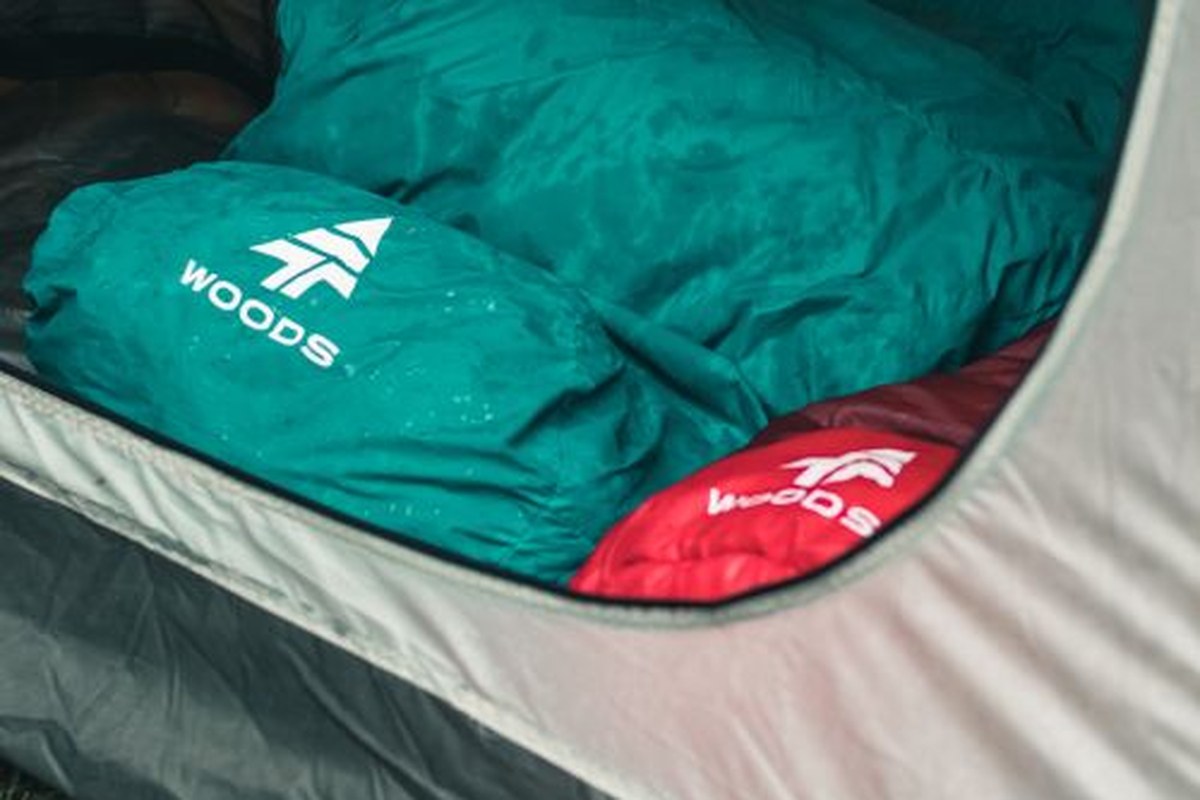
Choosing a sleeping bag comes down to five decisions, made in this order: how you will use it, how cold it will get at night, what kind of insulation you want, what shape and size fit your body and sleep style, and which sleeping pad you will pair it with. Get those five right and you will sleep warm and comfortable. The good news is that you do not need the most expensive bag on the shelf. You need the right bag for your trips, and this guide walks through each decision in plain language so you can buy once and buy well.
Start With How You Will Use It
Car-camping bags and backpacking bags are built for different jobs. Car-camping bags emphasize comfort over weight savings, because they travel in a car rather than on your back. They are often heavier, bulkier, and more affordable, and they may not pack down small enough to fit into a backpack at all. Backpacking bags use lighter fabrics and insulation, cost more for the same warmth, and fit closer to the body, which saves weight and helps the bag hold heat efficiently.
If you will use one bag for both activities, choose a backpacking model that is small and light enough for your pack. If you only camp a short walk from your car, there is no reason to pay extra for ultralight materials; spend that money on comfort instead.
Understand Temperature Ratings Before You Shop
A sleeping bag’s temperature rating is the single most important number on its label, and it is also the most misunderstood. Ratings come from standardized laboratory tests that are accepted across the outdoor industry, which makes them useful for comparing bags from different brands. But a lab cannot reproduce everything that affects your warmth outdoors: whether you sleep warm or cold, your clothing, your sleeping pad, wind, and humidity all play a part. Treat the rating as a reliable comparison tool, not as a guarantee.
Standardized tests produce a range of temperatures for each bag, and two figures from that range are usually called out in the specifications. The comfort rating is the temperature at which a cold sleeper might feel comfortable. The lower limit rating, which is always lower than the comfort rating, is the temperature at which a warm sleeper might still feel comfortable. If you tend to feel cold at night, shop using the comfort rating. If you tend to sleep warm, the lower limit rating is the more useful figure for you.
For car camping, a practical rule from REI’s expert guidance is to think about the coldest temperatures you are likely to experience, then add a 10- to 15-degree buffer when choosing a rating. For example, if you camp in the Rocky Mountains, where summer overnight lows can approach 30 degrees Fahrenheit, you will probably feel most comfortable in a 15- or 20-degree bag. You can always unzip a bag for ventilation on a warmer night, but on a cold night you cannot add warmth that is not there.
Choose Your Insulation: Down Or Synthetic
Sleeping bags are insulated with goose down, synthetic insulation, or a combination of the two. Synthetic insulation is usually polyester spun into fibers, and some bags blend the two, placing synthetic insulation in areas prone to moisture, such as the footbox and draft collar, with down everywhere else. Neither type is better in every situation.
Down bags are lighter and pack down smaller than synthetic bags of similar warmth, and they keep their loft and warmth well over many years of use. They perform best in cold, dry weather, which makes them a strong choice for backpacking, where every ounce matters. Their main weakness is moisture: wet down loses much of its insulating ability. Many premium down fills now have a water-resistant treatment to reduce this problem, though bags with treated down typically cost more.
Synthetic bags cost less than down bags, insulate better when wet, and dry faster, which is a real advantage if your tent leaks or you camp in damp conditions. The trade-offs are weight and bulk: synthetic bags weigh more and pack larger for similar warmth, and their warmth gradually diminishes over years of compression in a stuff sack. As a simple rule, choose synthetic for car camping and down for backpacking or cold, dry conditions.

Photo by Karson on Pexels — a camper in a sleeping bag during a cold-weather expedition, where insulation choice matters most.
Pick The Right Shape And Fit
Shape affects both warmth and comfort. A bag that fits well feels like a loose wrap around your body, with enough room to move but not so much empty space that your body has to work hard to warm it. That is why a bag that is too roomy can leave you feeling cold even when its temperature rating looks right.
Mummy Bags
Mummy bags are tapered, with a hood to prevent heat loss through the head and a narrowing foot to reduce surplus air pockets. They are the warmest shape for their weight and the best choice for backpacking and cold weather, but they can feel restrictive if you toss and turn or sleep on your side.
Semi-Rectangular Bags
Semi-rectangular bags, sometimes called spoon-shaped bags, offer more room for bent knees and movement than mummy bags while staying more heat-efficient than fully rectangular bags. Side sleepers and restless sleepers often prefer this middle-ground shape.
Rectangular Bags
Rectangular bags feel the least confining, but they typically sacrifice the most warmth because of the extra air space at the feet and shoulders. They suit warm-weather camping best, although some are rated for cooler conditions, so always check the temperature rating.
Double Bags
Couples can consider a double bag, or zip two compatible bags from the same brand together, with one having a right-hand zip and the other a left-hand zip. Double bags are a comfort choice for car camping rather than a weight-saving choice for backpacking.
Getting The Fit Right
Use the bag’s listed interior dimensions as your guide, and look for a bag that is several inches longer than you are. For example, if you are 6 feet tall, choose a bag that is at least 6 feet, 2 inches inside, so your feet do not push against the end and compress the insulation, which creates a cold spot. Also check the girth, the bag’s circumference, and make sure it accommodates your widest point. REI’s experts sum up the fit rule simply: look for the smallest bag you can fit in and still feel truly comfortable.
Do Not Forget The Sleeping Pad
Your sleeping bag does not work alone. Your sleep system has three parts: the bag, the sleeping pad, and your clothing. The ground draws heat away all night, and a bag compressed beneath your body contributes little warmth underneath you, so your pad provides the insulation between you and the ground.
Sleeping pads are rated by R-value, which measures resistance to heat flow: the higher the R-value, the better the pad insulates you from cold surfaces. As a general guide, R-values under 2.0 suit warm weather, 2.0 to 3.9 suit cool weather, 4.0 to 5.4 suit cold weather, and 5.5 and greater suit extremely cold weather. REI’s sleep-system guidance pairs these with bag ratings by expected nighttime low: a 50-degree Fahrenheit low calls for a pad under R-value 2 with a bag rated 30 degrees or lower, a 32-degree low for a pad of R-value 2 to 3.9 with a 20-degree bag, a 20-degree low for a pad of R-value 4 to 5.4 with a 15-degree bag, and a 0-degree low for a pad of R-value 5.5 or higher with a 0-degree bag. If you sleep cold, a warmer pad helps you actually enjoy your bag’s stated temperature range. If you are unsure where to start, REI’s sleeping pad buying guide explains R-values and pad types in detail.

Photo by Grisha Grishkoff on Pexels — a mountain campsite where a warm bag and an insulated pad work together as one sleep system.
Features Worth Paying Attention To
Once the big decisions are made, a few features can make a real difference to comfort. Two-way zippers let you open the bag from the bottom for airflow on warm nights, and some bags have zippers on both sides at the head so the top folds down like a quilt. Check which side the zipper is on, since left- and right-zip bags are needed if you ever plan to zip two bags together. A stash pocket for a phone or headlamp is genuinely useful in the dark.
A sleeping bag liner is one of the most useful accessories you can buy. Liners come in fabrics from silk to synthetics to merino wool, and they extend your bag’s comfort range slightly: you can sleep in the liner alone on hot nights or add it inside the bag for a little extra insulation. Just as important, a liner protects the bag from dirt, body oils, sweat, and sunscreen, and it is far easier to launder than the bag itself.
Care And Storage: Protect Your Investment
How you store a sleeping bag affects how long it keeps you warm. After a trip, store the bag in a large mesh or cotton sack that lets the insulation expand, or drape it from a hanger if you have the space. Do not leave it compressed in its stuff sack for months, since long-term compression reduces loft, and loft is what traps warm air. When the bag needs washing, use mild detergent and a large-capacity front-loading washer, then dry it thoroughly, adding a few tennis balls to break up clumps of wet insulation.
A Simple Step-By-Step Checklist
- Decide your main use: car camping, backpacking, or both, and let that set your weight and budget priorities.
- Find the coldest overnight low you are likely to face, then choose a rating 10 to 15 degrees lower for car camping.
- Shop by the comfort rating if you sleep cold, and by the lower limit rating if you sleep warm.
- Pick down for light weight and long life in dry cold, or synthetic for a lower price and better wet-weather performance.
- Choose a shape that matches how you sleep: mummy for warmth, semi-rectangular for movement, rectangular for roominess.
- Check the fit: several inches longer than your height, with girth to match your widest point.
- Pair the bag with a sleeping pad of the right R-value for your expected nighttime low.
- Add a liner for extra warmth and easier cleaning, and store the bag loose, never compressed, between trips.
Once your sleep system is sorted, a good travel packing list helps you fit everything else around it without overpacking, and our guide to what to pack for an Alaska cruise shows the same layering logic at work in cold weather.
Common Mistakes To Avoid
The most common mistake is buying a bag rated exactly for the lowest temperature you expect, with no buffer. A second mistake is choosing a bag that is too roomy, only to spend the night warming empty space. A third is forgetting the sleeping pad entirely, then blaming the bag for a cold night caused by heat loss into the ground. Finally, many campers buy for the coldest trip they might ever take rather than the trips they actually take most often. Buy for your usual trips, and rent or layer up for the rare extreme one.
Conclusion
Learning how to choose a sleeping bag is mostly about matching the bag to your real trips: the right rating with a sensible buffer, insulation that suits your budget and weather, a shape and fit that let you sleep naturally, and a pad that completes the system. A well-chosen bag is not the most expensive bag or the lightest bag. It is the one that lets you fall asleep warm and wake up ready for the next day outside. For a deeper dive, REI’s guide to choosing a camping sleeping bag is a solid reference to keep open while you compare models.
Frequently Asked Questions About Choosing A Sleeping Bag
What Temperature Rating Sleeping Bag Do I Need For Summer Camping?
For most summer camping in mild conditions, a bag rated around 30 to 40 degrees Fahrenheit is a common starting point, but the right rating depends on your destination’s actual overnight lows and whether you sleep warm or cold. Always check the forecast for your specific campsite and add a buffer for colder-than-expected nights, rather than relying on a season label alone.
Is Down Or Synthetic Better For A Sleeping Bag?
Down is lighter, packs smaller, and lasts longer in dry cold, while synthetic insulation costs less, insulates better when wet, and dries faster. Choose down for backpacking and dry cold, and synthetic for car camping, damp conditions, or a tighter budget.
Should I Buy A Mummy Or Rectangular Sleeping Bag?
Choose a mummy bag for the best warmth per weight, especially for backpacking and cold weather. Choose a rectangular bag if you prioritize room to move and mostly camp in warm weather, and consider a semi-rectangular bag if you want a middle ground between warmth and freedom of movement.
Do I Really Need A Sleeping Pad With My Sleeping Bag?
Yes. Insulation beneath your body is compressed and contributes little warmth, so the ground draws heat away all night. A sleeping pad with an appropriate R-value for your expected nighttime low is an essential part of your sleep system, not an optional extra.
How Should I Store My Sleeping Bag Between Trips?
Store it loose in a large mesh or cotton storage sack, or draped over a hanger, so the insulation can expand fully. Avoid leaving it compressed in its stuff sack for long periods, since that reduces loft and warmth over time.
