
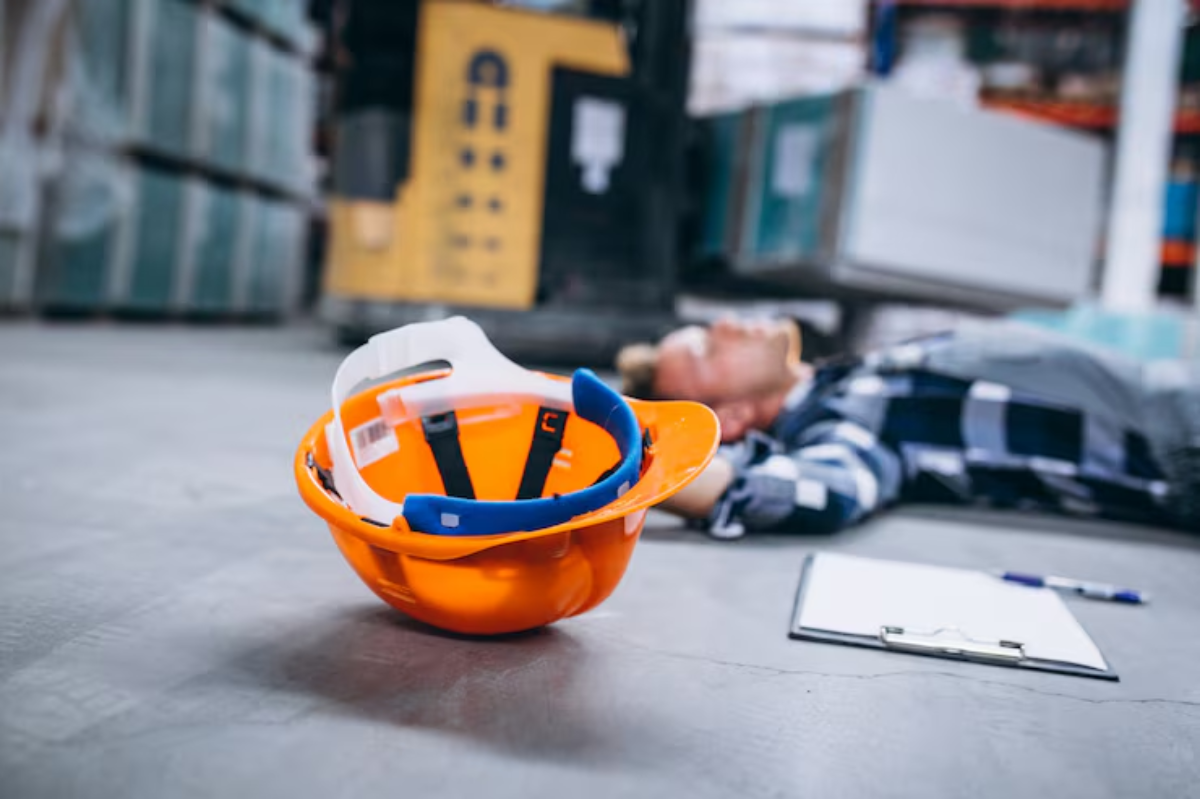
Some manufacturing injuries have a time stamp. A press comes down early, a conveyor grabs a sleeve, a guard that should have been bolted on is sitting in a toolbox. Everyone in the building knows exactly when it happened. Other injuries have no time stamp at all. A packer’s wrist starts aching in March, goes numb at night by June, and by September she is unable to hold a coffee mug. Both count as workplace injuries and both fall under workers’ compensation, though claims involving repetitive strain conditions get argued over far more often.
The sudden ones
Machinery causes the injuries people picture first: crushed fingers, amputations, burns from hot surfaces, fractures from falling parts, eye damage from flying metal shavings. The first hour matters most. Report the injury to a supervisor right away, even if it looks minor, and see a medical professional the same day. Adrenaline hides pain, and a “just a bruise” hand has a habit of turning out to hold a broken bone. A written report and a medical record dated that day are the two documents that hold up a claim later.
Photograph the machine if you’re able, and note whether a guard, lockout device or emergency stop was missing. Workers’ comp pays regardless of fault, so proving carelessness isn’t required. Equipment details matter when a third party is involved, though, such as the maker of a defective press or a contractor who skipped maintenance. That’s a separate claim, and one where a workers’ compensation lawyer earns their fee.
The slow ones
Repetitive work injuries build up. Carpal tunnel syndrome from hours of assembly, tendinitis from the same overhead reach, a wrecked back from lifting the same forty-pound box thousands of times, hearing loss from years beside a stamping line. No single moment caused any of them, which is exactly why insurers push back. The adjuster will point to a hobby, to age, to anything but the job.
The answer is documentation. Write down when symptoms began, which tasks make them worse, and the date you first told someone at work. Tell your doctor in detail what the job involves: repetitions per shift, weights, tools. If the injury prevents you from returning to those duties, that record also helps establish why you’re seeking vocational rehabilitation benefits, where available. Doctors record what they’re told, and a vague history gives an insurer room to deny.
Where claims go sideways
A few patterns repeat. Workers wait because they fear being labeled a complainer, and the gap between symptom and report gets used against them. Employers send people to a clinic they picked, and the clinic note downplays the injury. An insurer approves the medical bills but disputes time off work, or offers a quick lump sum before anyone knows how the injury will heal.
None of this is rare. Workers’ compensation lawyers see it every week, and the good ones know which medical evidence moves a disputed claim and what a fair settlement looks like for a permanent restriction. Most work on contingency, taking a percentage only if benefits are won, so an injured worker without a paycheck pays nothing upfront. Talking to one before signing a statement or accepting a settlement usually costs nothing and heads off mistakes that are hard to reverse.
Fun fact: Repetitive strain was documented long before factories existed. In 1700, physician Bernardino Ramazzini wrote about scribes and notaries who developed pain in their right hands from constant writing. Machines changed the speed of the work, not the limits of the body.
What recovery looks like
Benefits generally split three ways: medical treatment, wage replacement while you’re off work, and payment for any permanent impairment. Retraining gets added when the old job is out of reach. Keep every receipt, appointment slip and pay stub from before the injury, since those set the wage figure the payments rest on.
Returning to work is delicate. Someone who goes back too soon on a repaired hand tends to reinjure it, and a reinjury starts a messy fight over which incident is to blame. Follow the doctor’s restrictions in writing, and if the job asks for more than the note allows, say so on the record.
Factories will keep running machines that pinch, cut and repeat. The claim after an injury is paperwork with a clock on it, and the workers who come out best are usually the ones who treated it that way from day one.
