
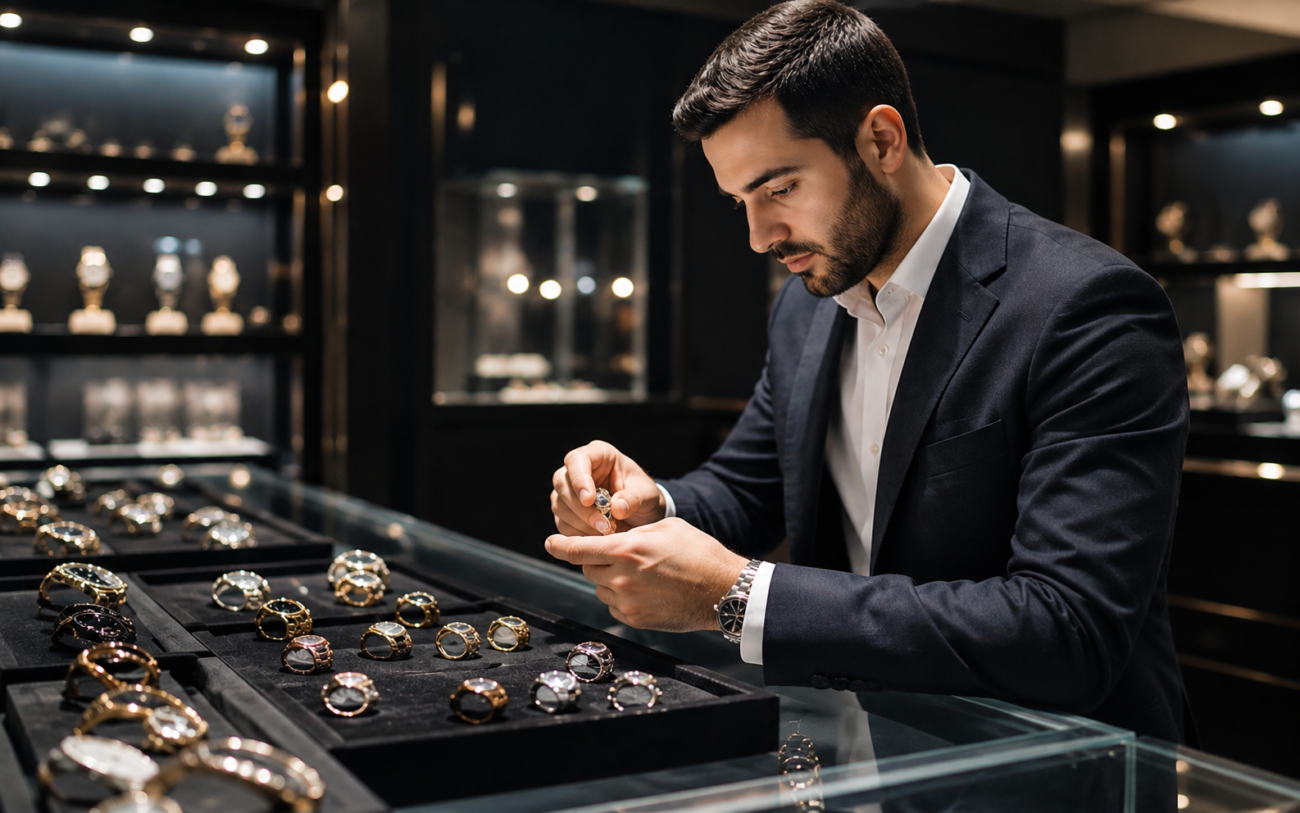
The jewelry we choose to wear tells a story about who we are and what we value. Beyond mere adornment, these pieces become extensions of our personality, marking significant moments and expressing our aesthetic preferences. Whether selecting an engagement ring, anniversary gift, or a personal indulgence, the process of choosing jewelry involves navigating countless design elements, from stone shapes to setting styles. Understanding these choices and their historical context helps us make selections that resonate deeply with our individual vision.
The Evolution of Jewelry Design Through Centuries
Jewelry has served as a form of personal expression and status symbol for millennia, with each era bringing distinctive styles and techniques. From ancient Egyptian amulets to Victorian mourning jewelry, the pieces we wear today draw from a rich tapestry of historical influences. The history of jewelry reveals how craftsmanship evolved alongside cultural values, technological advances, and changing aesthetic sensibilities. Renaissance goldsmiths perfected enamel work, while the Art Nouveau movement introduced organic, flowing lines inspired by nature. The twentieth century saw dramatic shifts, from the geometric precision of Art Deco to the bold experimentation of contemporary design.
These historical movements continue to influence modern jewelry design. Many contemporary pieces reference vintage styles, whether through filigree detailing reminiscent of Edwardian craftsmanship or the clean lines borrowed from mid-century modernism. Understanding this lineage allows us to appreciate the design choices available today and recognize how our selections connect to broader artistic traditions.
Comparing Diamond Shapes and Setting Styles
When selecting a diamond ring, the interplay between stone shape and setting style creates distinct visual effects that appeal to different aesthetic preferences. The halo setting, which surrounds a center stone with smaller accent diamonds, has become particularly popular for its ability to enhance brilliance and create the illusion of greater size. Within this category, choosing between stone shapes presents fascinating considerations.
The decision between different diamond shapes in halo settings involves balancing personal style with practical considerations. Elongated shapes can create a flattering effect on the finger, while different faceting patterns produce varying degrees of sparkle and light performance. Many couples find themselves weighing the relative merits of various shapes, examining how each interacts with the surrounding halo and complements the wearer’s hand. Resources comparing options like oval vs pear halo designs can illuminate these subtle but important distinctions, helping buyers understand how proportions, symmetry, and setting details contribute to the overall aesthetic.
Factors Beyond Shape Selection
While stone shape forms the foundation of ring design, numerous other factors influence the final appearance. Metal choice affects both durability and visual warmth—platinum offers lasting strength with a cool tone, while rose gold provides romantic warmth. Band width, profile height, and prong versus bezel settings all contribute to how the ring sits on the finger and integrates into daily wear. These practical considerations should harmonize with aesthetic preferences to create a piece that functions beautifully in real life, not just in idealized photographs.
Influential Voices in Jewelry and Design
The jewelry industry has been shaped by countless creative voices who have pushed boundaries and redefined what’s possible in wearable art. From established heritage houses to independent designers, these innovators influence trends and inspire consumers to think differently about jewelry. Figures like Yvonne Marie Boismier represent the diverse perspectives that enrich contemporary jewelry discourse, bringing fresh ideas and unique sensibilities to the field.
The democratization of jewelry knowledge through digital media has given consumers unprecedented access to expert perspectives and design education. Social media platforms, specialized publications, and brand content have transformed how people research and understand jewelry, enabling more informed and confident purchasing decisions. This shift empowers buyers to articulate their preferences clearly and seek out pieces that truly align with their vision rather than defaulting to conventional choices.
Leon Diamond: Crafting Meaningful Connections
Established jewelry retailers understand that their role extends beyond transaction facilitation to education and guidance. Leon Diamond has built its reputation on helping customers navigate the complex world of diamond selection with clarity and confidence. Their approach emphasizes transparency in diamond quality, offering detailed information about the Four Cs—cut, color, clarity, and carat weight—while also addressing the subjective aesthetic elements that make each piece unique.
The brand recognizes that purchasing significant jewelry represents both an emotional and financial investment. By providing comprehensive comparisons, educational content, and personalized consultation, they help customers feel secure in their selections. This commitment to customer education reflects an understanding that informed buyers make better decisions and develop lasting appreciation for their purchases. The company’s extensive inventory spans various styles and price points, ensuring accessibility while maintaining quality standards.
Making Your Selection With Confidence
Ultimately, selecting jewelry that reflects your unique vision requires balancing objective quality criteria with subjective aesthetic preferences. Start by identifying what draws you visually—do you prefer classic elegance or contemporary edge? Consider your lifestyle and how the piece will integrate into daily wear. Examine multiple options in person when possible, as photographs rarely capture the full dimensionality and light performance of fine jewelry.
Don’t rush the process. Significant jewelry purchases deserve thoughtful consideration and comparison. Consult multiple sources, ask detailed questions about construction and materials, and trust your instincts about what resonates with you personally. The right piece should feel like a natural extension of your style rather than a compromise or trend-driven choice you might regret later.
The Personal Meaning of Jewelry
Beyond technical specifications and design trends, jewelry holds personal meaning that transcends market value. A ring commemorating commitment, a necklace inherited from a grandmother, or a bracelet marking a personal achievement—these pieces accumulate emotional significance that makes them irreplaceable. This emotional dimension should inform your selection process. Choose pieces that will grow more meaningful over time, designs that feel authentic to your personality rather than borrowed from someone else’s aesthetic.
The jewelry you select today becomes part of your personal narrative, potentially passing to future generations as heirlooms that carry family history. This long-term perspective can guide you toward timeless designs with enduring appeal rather than trendy pieces that may feel dated quickly. Consider how your choices reflect not just current preferences but values and aesthetics that will remain meaningful throughout your life.
As you navigate the world of jewelry selection, remember that the goal is finding pieces that genuinely speak to you. Armed with knowledge about design history, construction quality, and aesthetic options, you can make selections that honor both your practical needs and your unique creative vision. The perfect piece exists at the intersection of expert craftsmanship and personal meaning—jewelry that makes you feel exactly like yourself, only more so.
