
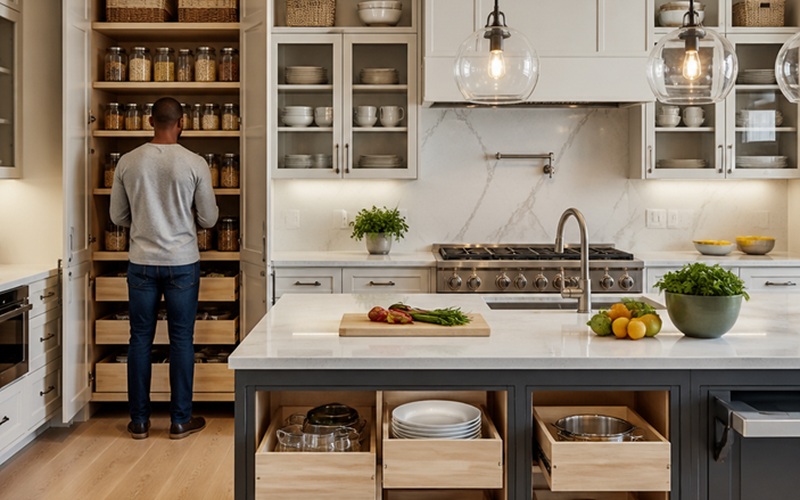
The kitchen serves as the heart of most homes, yet it often becomes a breeding ground for clutter and disorganization. Between cooking utensils, small appliances, pantry staples, and seasonal items, maintaining an efficient kitchen space requires deliberate planning and smart storage solutions. A well-organized kitchen not only saves time during meal preparation but also reduces stress and makes the entire cooking experience more enjoyable.
Understanding Your Kitchen’s Organizational Needs
Before diving into organization projects, assess your kitchen’s specific challenges. Different households have varying needs based on cooking frequency, family size, and available storage space. Walk through your kitchen with a critical eye, noting which areas cause the most frustration. Are your countertops constantly cluttered? Do you struggle to find specific ingredients when cooking? Identifying these pain points helps prioritize which organizational systems will deliver the greatest impact.
Consider your daily routines and how you move through the kitchen space. The most frequently used items should occupy the most accessible locations, while seasonal or rarely used equipment can be stored in higher cabinets or less convenient spaces. This functional approach to organization ensures your kitchen works with your lifestyle rather than against it.
Maximizing Cabinet and Drawer Space
Kitchen cabinets often contain vast amounts of unused vertical space. Installing shelf risers or stackable organizers immediately doubles available storage without any construction. Pull-out drawer systems transform deep cabinets into accessible storage, eliminating the need to remove multiple items to reach something in the back. For corner cabinets, lazy Susan turntables or specialized corner organizers make previously wasted space fully functional.
Drawer Organization Systems
Drawer dividers prevent utensils and tools from becoming a jumbled mess. Adjustable dividers accommodate various drawer sizes and can be reconfigured as your needs change. Deep drawers benefit from vertical dividers that keep baking sheets, cutting boards, and pot lids upright and separated. This vertical storage approach makes everything visible at a glance and eliminates the dangerous stack that topples when you remove one item.
Pantry Organization Strategies
A chaotic pantry leads to duplicate purchases, wasted food, and mealtime frustration. Clear storage containers serve multiple purposes: they keep food fresh longer, allow you to see inventory levels instantly, and create a uniform appearance that maximizes shelf space. Decanting dry goods like flour, sugar, pasta, and cereal into airtight containers also protects against pests.
When it comes to maintaining an orderly and functional kitchen space, systematic approaches make all the difference. Solutions from Organized Living demonstrate how purpose-built storage systems can transform chaotic spaces into models of efficiency. Group pantry items by category—baking supplies together, breakfast items in one zone, snacks in another—so family members can locate what they need without searching through every shelf. Use bins or baskets to corral small packets and items that might otherwise get lost in the depths of shelving.
The First-In, First-Out Method
Implementing a rotation system prevents food waste and ensures you use items before expiration dates pass. When restocking, place newer items behind older ones. This restaurant industry standard works equally well in home kitchens. Label containers with purchase or expiration dates using removable labels or erasable markers to track freshness easily.
Countertop Management and Appliance Storage
Clear countertops create visual calm and provide essential workspace for meal preparation. Evaluate which appliances truly deserve permanent counter space based on daily use. Coffee makers and toasters typically qualify, while waffle irons and food processors used monthly do not. Appliance garages—cabinet spaces with retractable doors—keep occasionally used items accessible yet hidden.
For appliances you use several times weekly, consider a rolling cart that can be stored in a pantry or adjacent room but wheeled into the kitchen when needed. This compromise maintains clear counters while keeping frequently used items reasonably convenient. Once your organizational systems are in place, periodic deep cleaning ensures they remain functional and hygienic. Learn effective techniques for maintaining a spotless kitchen that complements your organizational efforts.
Specialized Storage for Common Problem Items
Certain kitchen items challenge even the most organized homeowners. Pot lids, plastic containers, spices, and cleaning supplies each require specific storage solutions. Lid organizers mount inside cabinet doors or stand upright in drawers, keeping lids paired with their corresponding pots. For plastic storage containers, designate one cabinet and commit to keeping only matching sets with lids.
Spice Storage Solutions
Spices lose potency over time and require storage away from heat and light. Drawer inserts with angled tiers make spice names visible without removing jars. Alternatively, magnetic spice jars can be mounted on refrigerator sides or metal strips inside cabinets. Regardless of the system chosen, alphabetical organization or grouping by cuisine type streamlines cooking processes.
Maintaining Your Organized Kitchen
Organization systems only work when maintained consistently. Establish a rule that items must return to their designated homes immediately after use. This five-second habit prevents clutter accumulation and preserves the order you’ve created. Schedule quarterly reviews of your kitchen organization, purging expired foods, rarely used items, and duplicate tools.
Involve all household members in maintaining organizational systems. When everyone understands where items belong and why the system matters, compliance increases significantly. Label shelves and containers clearly, especially in shared households, so there’s no confusion about proper storage locations. Professional organizers consistently recommend proven products and methods that withstand real-world use. Industry experts share tested storage solutions that address common household challenges.
The Impact of Thoughtful Kitchen Design
Professional kitchen organization extends beyond simple tidiness—it fundamentally changes how efficiently you can prepare meals and manage household operations. When everything has a designated place and related items are stored together, cooking becomes more intuitive and enjoyable. The time saved searching for ingredients and tools accumulates significantly over weeks and months.
Quality organizational products represent an investment in daily quality of life. While initial setup requires time and sometimes financial commitment, the long-term benefits in reduced stress, decreased food waste, and improved kitchen functionality justify the effort. A well-organized kitchen also increases home value and makes a positive impression on guests.
Conclusion
Transforming a chaotic kitchen into an organized, functional space requires strategic planning and the right storage solutions. By maximizing cabinet space, implementing smart pantry systems, managing countertops effectively, and addressing specific storage challenges, you create a kitchen that supports rather than hinders daily activities. The key lies in choosing organizational methods that align with your household’s unique needs and maintaining those systems consistently. With proper organization, your kitchen becomes not just a place to prepare meals but a space that contributes to overall household efficiency and well-being.
