
Comfort inside a house is easy to notice and hard to explain. One room feels pleasant while another stays warm all afternoon. The air feels heavy some evenings and dry on others. Most people assume the thermostat setting is the whole story, when in reality the temperature on the display is only one small part of what makes a home feel good to live in. Airflow, moisture levels, duct condition, and the overall health of the cooling equipment all work together, and when one of them slips, the rest of the system has to work harder to cover for it. Understanding how these pieces fit together makes it far easier to tell the difference between a small adjustment and a real problem.
What Keeps a Cooling System Working Well
Most households only think about their equipment when something feels wrong, and by that point the system has usually been struggling quietly for a while. A rushed or poorly planned installation sits behind many of those complaints, because equipment that was never sized correctly for the house, or was connected to ductwork that could not support it, will underperform no matter how new it looks. Careful, professional setup of cooling equipment is what prevents that cycle from starting in the first place. Homeowners who want a system that performs the way it was designed to can schedule air conditioning installation with a licensed and insured team that handles load calculations, ductwork connections, smart thermostat setup, and full system performance testing before leaving the property. Getting that groundwork right is what allows everything discussed below to stay manageable rather than turning into a long run of service calls.
How Air Actually Moves Through a House
Air does not spread evenly on its own. It follows the path of least resistance, which means the rooms closest to the equipment usually get the most of it and the rooms at the end of the line get whatever is left. Furniture pushed against a vent, a closed door, or a return grille blocked by a bookshelf can change the balance of an entire floor. Second storeys are especially prone to this, since warm air naturally rises and collects upstairs while the thermostat downstairs reports that everything is fine. Walking through the house and checking that every supply and return opening is clear is a simple habit that often makes a noticeable difference within a day.
The Part Humidity Plays in Daily Comfort
Temperature gets all the attention, but moisture is often what people are actually reacting to when they say a room feels uncomfortable. Air holding too much moisture feels warmer than the thermometer suggests, which is why a house set to a reasonable temperature can still feel sticky. Equipment that is oversized contributes to this directly, because it cools the air quickly, shuts off early, and never runs long enough to pull moisture out. Air that is too dry causes its own complaints, including irritated skin and static. A system running in good balance manages both sides of this quietly, and most people only notice it when it stops happening.
Signs the Equipment Is No Longer Keeping Up
Equipment rarely fails without warning. Energy bills that climb while habits stay the same are often the first clue, followed by rooms that take longer than they used to reach a comfortable level. Cycling that starts and stops more frequently than normal, operating noise that was not there before, and repairs that begin arriving in clusters all point in the same direction. Age matters as well, since most systems reach the end of their useful life somewhere past the ten-year mark.
Why Ductwork Affects Every Room in the House
The duct network is the part of the system nobody sees, and almost nobody thinks about. Joints loosen over time, insulation wears down, and sections running through attics or crawl spaces lose cooled air before it ever reaches a vent. A home can have excellent equipment and still feel uneven simply because a portion of what it produces escapes along the way. Leaky or undersized ducts also force the equipment to run longer to achieve the same result, which raises operating costs and shortens the life of the components. Having the duct network inspected is one of the more useful steps available when comfort problems do not match the age or condition of the equipment itself.
Thermostat Habits That Make a Real Difference
A thermostat is a set of instructions, not a throttle, and a lot of comfort problems trace back to how those instructions are written. Setting the temperature far lower than needed does not cool a house faster; it simply keeps the system running past the point where it was useful. Programmable and smart controls help by matching the schedule to how the household actually lives, easing off when everyone is out and bringing conditions back before anyone returns.
Air Quality While the System Is Running
Every cycle moves the same air through the house repeatedly, carrying dust, pet dander, and whatever else is circulating with it. Filters handle the bulk of this, and a clogged one restricts airflow enough to affect both comfort and energy use. Changing filters on a regular schedule is the cheapest maintenance available to any household. For homes where allergies or persistent dust are an ongoing issue, dedicated indoor air quality equipment can be added to the existing setup and works alongside it rather than replacing anything.
Routine Maintenance That Protects Performance
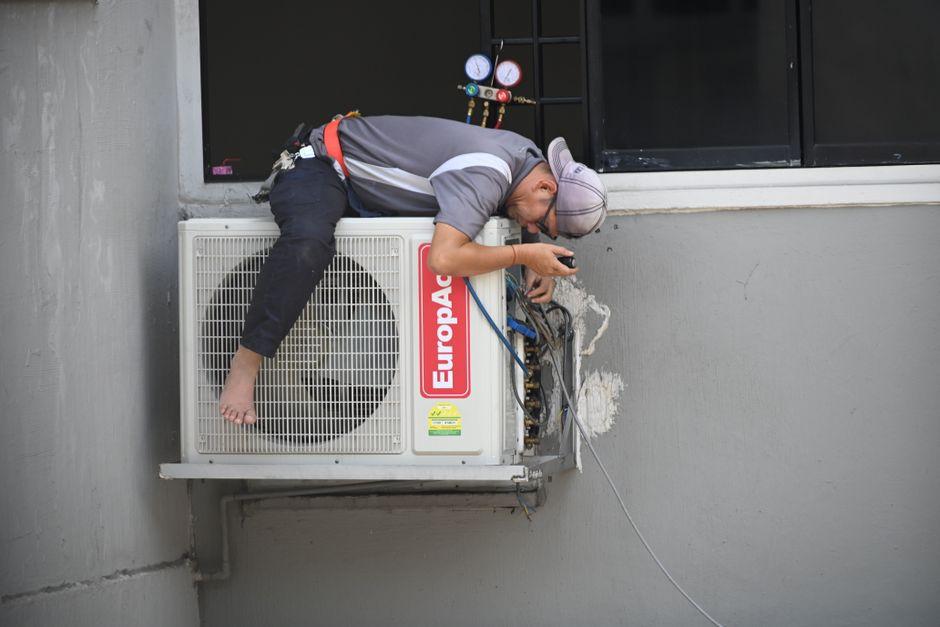
Seasonal servicing exists to catch small faults while they are still small. A technician checking refrigerant levels, electrical connections, drainage, and coil condition will usually find the issue that would otherwise become an emergency call on the hottest day of the year. Maintenance plans make this easier to keep up with, since the visits are scheduled rather than remembered. A well-maintained system holds its efficiency for longer, runs more quietly, and gives the household far fewer reasons to think about it at all, which is the point of the whole arrangement.
