
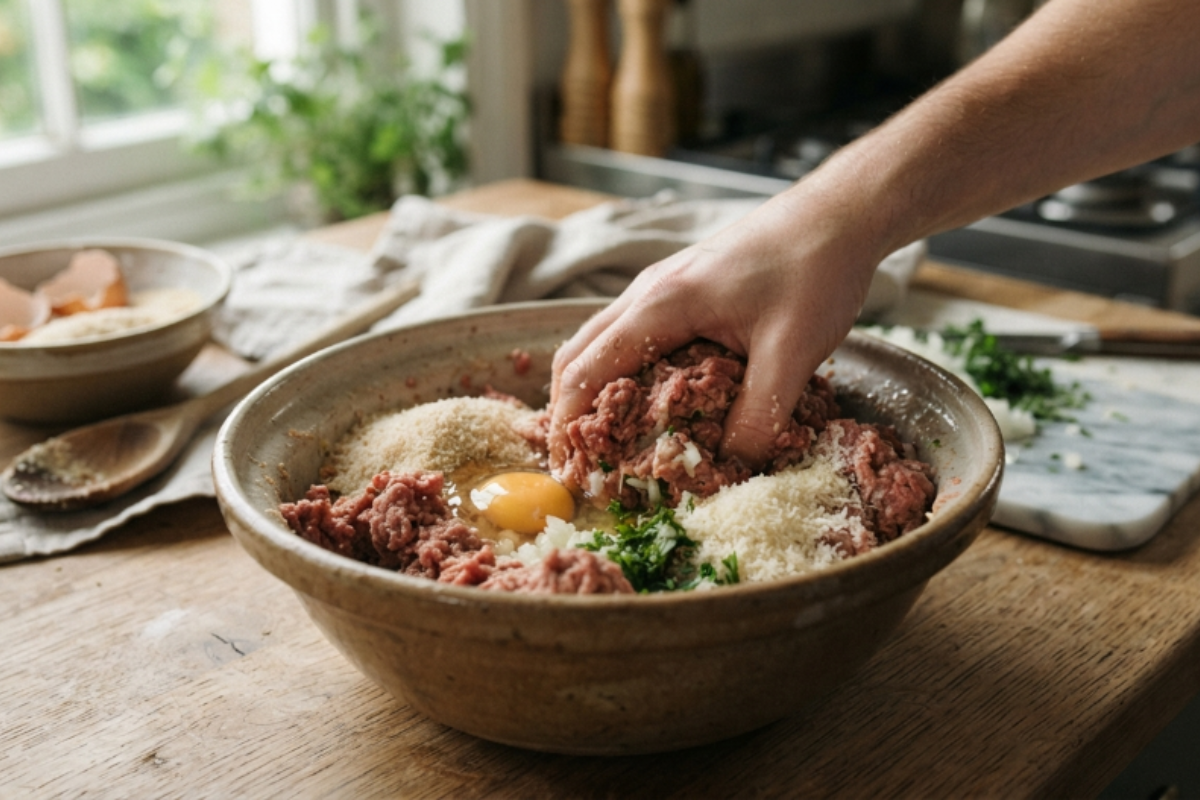
If you have ever made meatballs, burgers, crab cakes, or even certain baked goods, you have probably used a binder without realizing it. A binder is an ingredient that helps other ingredients stay together, creating a mixture that holds its shape during cooking and serving. While binders often make up only a small part of a recipe, they play a major role in the final texture, appearance, and consistency of many dishes.
Understanding what is a binder in cooking can help you become more confident in the kitchen. Whether you are preparing a family meal, trying a new recipe, or looking for suitable ingredient substitutions, knowing how binders work makes it easier to achieve reliable results. Without the right binder, some recipes may fall apart, become too dry, or fail to maintain their intended shape.
Binders are used in many different types of cooking. They are common in savory dishes like meatloaf and veggie burgers, but they are also found in baking and desserts. Different recipes require different binders, and the best choice depends on the ingredients, cooking method, and desired texture.
This guide explains what a binder in cooking is, how it works, the most common ingredients used as binders, and how to choose the right one for different recipes. By the end, you will have a clear understanding of why binders matter and how they help create successful dishes.
Understanding What a Binder Is in Cooking
A binder is an ingredient that helps hold other ingredients together so they remain connected during mixing, cooking, and serving. Its main purpose is to improve the structure of a dish by preventing it from breaking apart. Instead of acting as the main ingredient, a binder supports the recipe by creating stability.
Many foods contain ingredients with different textures and moisture levels. For example, ground meat, chopped vegetables, herbs, and seasonings do not naturally stick together well. Adding a binder allows these ingredients to form a cohesive mixture that keeps its shape while cooking.
A simple way to think about a binder is as the “glue” in a recipe. It connects individual ingredients without changing the overall flavor significantly. While the word “glue” is only a comparison, it accurately describes the role that binders play in helping foods stay intact.
The exact way a binder works depends on the ingredient being used. Some binders create structure by absorbing moisture, while others form a network when heated that locks ingredients together. Despite these differences, they all serve the same basic purpose: keeping the finished dish stable and easy to handle.
Not every recipe needs a binder. Foods that naturally contain enough protein, starch, or moisture may already have enough structure on their own. However, recipes made with loose or crumbly ingredients often rely on binders to achieve the right consistency.
Choosing the correct binder can also affect the eating experience. A well-selected binder creates a pleasant texture without making the food heavy or dense. When the wrong binder is used—or when too much or too little is added—the final result may become dry, overly soft, crumbly, or difficult to shape.
For this reason, experienced cooks consider binders an important part of recipe development rather than just an optional ingredient.
How Binders Work During Cooking?
To fully understand what is a binder in cooking, it helps to know what happens after the ingredients are mixed and heated.
When a recipe is prepared, the binder interacts with moisture, proteins, fats, or starches already present in the mixture. As cooking begins, heat changes the physical structure of the binder, allowing it to connect surrounding ingredients more firmly. This creates a stronger mixture that holds together instead of falling apart.
Different binders achieve this in different ways. Eggs, for example, contain proteins that firm up as they cook. These proteins surround nearby ingredients and create a stable structure that helps maintain the shape of dishes like meatballs or meatloaf.
Starch-based binders such as flour, cornstarch, or potato starch work differently. They absorb liquid and swell when heated, creating a thicker mixture that helps ingredients remain evenly distributed. This added structure improves stability while also contributing to texture.
Ingredients like breadcrumbs and oats act by soaking up excess moisture. They reduce the amount of free liquid in a mixture, making it easier for ingredients to stay connected. At the same time, they help prevent dishes from becoming overly wet or falling apart during cooking.
Some plant-based binders, including chia seeds and flaxseed meal, absorb water and form a natural gel. This gel surrounds other ingredients and creates a binding effect similar to that of eggs in many recipes. Because of this property, they are commonly used in vegetarian and vegan cooking.
The effectiveness of a binder depends on using the right amount. Too little binder may leave a mixture weak and difficult to shape. Too much can produce a dense or rubbery texture that changes the character of the dish. Finding the correct balance allows the binder to support the recipe without becoming noticeable.
Cooking method also plays a role. Baking, frying, steaming, and roasting expose food to different levels of heat and moisture. Some binders perform better in dry heat, while others work well in moist cooking environments. Choosing a binder that matches the recipe and cooking technique helps produce consistent results.
Another important point is that a binder should work quietly in the background. In a well-made dish, people usually notice the flavor, tenderness, and texture—not the binder itself. When used correctly, it simply allows every ingredient to work together as intended.
Understanding how binders function also makes ingredient substitutions easier. If you need to replace eggs because of allergies or dietary preferences, for example, knowing why eggs act as a binder helps you choose an alternative with similar binding properties rather than selecting a random substitute.
In short, binders are essential because they provide structure, improve consistency, and help recipes maintain their shape from preparation through serving. Their role may seem simple, but they are one of the key elements that contribute to successful cooking.
Common Ingredients Used as Binders in Cooking
Many ingredients can act as binders, but each one works differently and is best suited for certain types of recipes. Some create structure through protein, while others rely on starch or fiber to hold ingredients together. Understanding how each binder performs makes it easier to choose the right option for your recipe.
Eggs
Eggs are one of the most widely used binders in cooking. They are valued because they not only hold ingredients together but also add moisture, richness, and stability.
When heated, the proteins in eggs firm up and create a network that locks nearby ingredients into place. This makes eggs an excellent choice for recipes such as meatballs, meatloaf, burgers, fish cakes, and many baked goods.
Eggs are especially effective because they perform several functions at once. In addition to binding, they can improve texture, add color, and contribute to the overall structure of a finished dish. For many recipes, they remain the first choice when a reliable binder is needed.
Breadcrumbs
Breadcrumbs are another common binder, particularly in savory recipes. Unlike eggs, breadcrumbs work mainly by absorbing moisture. They soak up excess liquid and help create a mixture that is easier to shape and less likely to fall apart.
Breadcrumbs are often combined with eggs to produce an even stronger binding effect. This combination is frequently used in meatballs, meatloaf, crab cakes, and burger patties.
Fresh breadcrumbs generally create a softer texture, while dried breadcrumbs absorb more moisture and produce a firmer result. The choice depends on the texture you want to achieve.
Flour
Flour is a versatile ingredient that can also serve as a binder. It contains starch that absorbs liquid during cooking, helping ingredients stay connected.
Flour is commonly used in batters, coatings, dumpling mixtures, and certain savory fillings. Although it is not always strong enough to bind large pieces of food on its own, it works well when combined with other ingredients.
Because flour affects texture, it should be used carefully. Too much can make a recipe dense or give it a dough-like consistency.
Cornstarch
Cornstarch is best known as a thickening agent, but it can also provide binding support in certain recipes. As it heats, cornstarch absorbs water and forms a smooth, stable mixture that helps ingredients remain evenly distributed.
It is commonly used in fillings, batters, sauces, and some meat or vegetable mixtures where additional stability is needed.
Since cornstarch has little flavor, it strengthens the structure of a recipe without changing its taste.
Potato Starch
Potato starch is another effective binder with a light texture. It absorbs moisture quickly and helps ingredients stay together while producing a soft and tender result.
It is often chosen for gluten-free cooking because it provides binding without using wheat flour. Potato starch is commonly found in gluten-free baking, vegetable patties, and various savory dishes.
Its mild flavor makes it suitable for recipes where the main ingredients should remain the focus.
Tapioca Starch
Tapioca starch creates a smooth and slightly elastic texture, making it useful in recipes that require flexibility and structure.
It works well in gluten-free baking and is frequently added to doughs, batters, and homemade veggie burgers. Tapioca starch helps ingredients stay together while maintaining a pleasant, light consistency.
Because it performs well under different cooking conditions, it is a popular choice in many modern recipes.
Oats
Oats are a simple and nutritious binder that absorb moisture while adding body to a mixture. Rolled oats and quick oats are both commonly used, depending on the desired texture.
Oats are especially popular in meatloaf, meatballs, veggie burgers, and plant-based recipes. As they absorb liquid, they help prevent mixtures from becoming too wet while improving overall stability.
They also contribute a mild flavor that blends easily with both savory and sweet dishes.
Gelatin
Gelatin works differently from most other binders because it forms a gel after being dissolved in liquid and cooled. This creates a firm structure that holds ingredients together.
It is most often used in desserts, chilled dishes, and certain molded recipes rather than everyday savory cooking.
Because gelatin creates a smooth, stable texture, it is useful when a recipe needs to maintain its shape after refrigeration.
Chia Seeds
Chia seeds have become a popular plant-based binder because they naturally absorb water and develop a thick gel.
When mixed with liquid and allowed to rest for several minutes, chia seeds create a consistency that resembles the binding ability of eggs. This makes them an excellent option for vegan baking and other egg-free recipes.
Besides their binding properties, chia seeds also add fiber and nutrients, making them a practical choice for health-conscious cooks.
Flaxseed Meal
Ground flaxseed, often called flaxseed meal, functions much like chia seeds. When mixed with water, it forms a gel that helps ingredients stay together.
Flaxseed meal is widely used as an egg substitute in vegan recipes, especially muffins, cookies, pancakes, and veggie burgers.
Its slightly nutty flavor works well in many baked goods while providing reliable binding without animal-based ingredients.
Mashed Potatoes
Mashed potatoes can also act as a natural binder because of their starch content. They create a soft texture while helping ingredients remain connected.
They are commonly used in croquettes, potato cakes, vegetable patties, and similar dishes where a gentle binding effect is needed.
Mashed potatoes not only improve structure but also add moisture, creating a tender final product without making the mixture feel heavy.
Choosing the Right Binder for Different Recipes
Not every binder performs the same way, and selecting the right one depends on the type of recipe you are preparing. The ingredients, cooking method, and desired texture all influence which binder will deliver the best results.
Meat-Based Dishes
Ground meat recipes often need a strong binder because the individual pieces naturally separate during cooking.
Eggs remain one of the most reliable choices because they create structure as they cook. Breadcrumbs or oats are frequently added alongside eggs to absorb moisture and improve texture.
For meatballs, meatloaf, burger patties, and similar dishes, this combination produces a mixture that is easy to shape while remaining tender after cooking.
Vegetable-Based Dishes
Vegetable mixtures usually contain more moisture than meat, making proper binding especially important.
Ingredients such as oats, flour, potato starch, tapioca starch, mashed potatoes, chia seeds, and flaxseed meal can all help vegetable patties and fritters maintain their shape.
The best choice depends on the vegetables being used and whether the recipe needs to be gluten-free, vegan, or both.
Baking Recipes
In baking, binders play a major role in creating structure and helping baked goods rise properly.
Eggs are commonly used because they support the overall framework of cakes, muffins, cookies, and quick breads. In egg-free baking, chia seeds, flaxseed meal, potato starch, and tapioca starch often provide suitable alternatives, although the final texture may vary slightly.
Choosing a binder that complements the recipe helps produce baked goods that are moist, stable, and easy to slice or serve.
Recipes Requiring a Delicate Texture
Some recipes need a binder that provides stability without making the finished dish dense.
Light starches such as potato starch or tapioca starch often work well because they create structure while maintaining a soft texture. Gelatin may also be appropriate for chilled desserts where firmness is required without adding heaviness.
In these recipes, using only the amount of binder needed allows the natural texture of the main ingredients to remain the focus.
Natural Alternatives to Traditional Binders
Many people look for alternatives to traditional binders because of dietary preferences, food allergies, or specific recipe requirements. Fortunately, there are several natural options that provide excellent binding without changing the overall quality of a dish.
Plant-Based Binder Options
Plant-based binders are popular among people who follow vegetarian or vegan diets. Many of these ingredients create a gel or absorb moisture, allowing them to hold ingredients together effectively.
Chia seeds and flaxseed meal are among the most widely used plant-based binders. When mixed with water, they form a thick gel that helps bind ingredients in much the same way as eggs. Oats are another reliable option, particularly in veggie burgers, meat-free meatballs, and vegetable patties, where they absorb moisture and improve structure.
Mashed potatoes can also serve as a gentle plant-based binder in recipes that need a soft, tender texture. Their natural starch helps ingredients stay together without making the mixture heavy.
Gluten-Free Binder Options
People who avoid gluten have several effective choices when selecting a binder.
Potato starch and tapioca starch are two of the most common gluten-free options. Both provide excellent binding while helping recipes maintain a light texture. Cornstarch is another gluten-free ingredient that can improve stability in certain dishes, although it is often more effective when paired with another binder.
Naturally gluten-free oats may also be suitable, provided they are certified gluten-free to avoid cross-contamination during processing.
Choosing the appropriate gluten-free binder depends on the recipe, but these ingredients allow many traditional dishes to be prepared without wheat flour.
Egg-Free Substitutes
Eggs are one of the most effective binders, but they are not the only solution.
For recipes that need an egg-free option, chia seeds and flaxseed meal are often the closest alternatives because they create a similar binding effect after absorbing water. Mashed potatoes can also replace eggs in certain savory recipes, while potato starch and tapioca starch provide additional structure in baked goods and vegetable dishes.
The best substitute depends on the texture you want to achieve. Some alternatives create a softer result, while others produce a firmer structure. Understanding the purpose of the binder within a recipe helps you select the most suitable replacement.
Binder vs. Thickener: Understanding the Difference
Although the terms are sometimes used interchangeably, a binder and a thickener perform different functions in cooking.
A binder’s primary purpose is to hold ingredients together. It helps individual pieces of food stay connected so the finished dish keeps its shape during cooking and serving. Meatballs, burger patties, crab cakes, and vegetable fritters all rely on binders to maintain their structure.
A thickener, on the other hand, is mainly used to increase the consistency of liquids. Ingredients such as cornstarch or flour are commonly added to soups, gravies, and sauces to make them thicker and smoother.
Some ingredients can perform both roles depending on how they are used. Cornstarch, for example, thickens sauces when mixed into liquid, but it can also contribute to binding in certain recipes by improving overall stability.
Understanding the difference makes it easier to follow recipes accurately and choose the right ingredient for the desired result.
Common Mistakes When Using Binders
One of the most common mistakes is adding too much binder. While it may seem that extra binder will create a stronger mixture, it often produces the opposite effect by making the finished dish dense, dry, or rubbery.
Using too little binder is another frequent problem. Without enough binding power, ingredients may separate during cooking, causing meatballs, burgers, or vegetable patties to crumble when handled.
Choosing the wrong type of binder can also affect the final texture. A binder that works well in baking may not be suitable for savory dishes, while a starch-based binder may produce different results than an egg-based one.
Another mistake is overlooking the moisture content of the recipe. Ingredients such as vegetables can release water during cooking, changing how well a binder performs. Adjusting the amount of binder to match the moisture level helps create a more stable mixture.
Finally, skipping the resting time can reduce the effectiveness of some binders. Ingredients like oats, breadcrumbs, chia seeds, and flaxseed meal often need several minutes to absorb moisture before cooking. Allowing the mixture to rest gives the binder time to work properly.
Tips for Getting the Best Results with Binders
Successful cooking is not just about choosing a binder—it is also about using it correctly.
Begin by selecting a binder that matches the type of recipe. Eggs are often ideal for traditional meat dishes, while chia seeds or flaxseed meal work well in many plant-based recipes. Potato starch and tapioca starch are excellent choices when gluten-free cooking is required.
Measure the binder carefully instead of estimating. Even small changes can noticeably affect texture and consistency.
Mix ingredients thoroughly so the binder is evenly distributed throughout the mixture. Uneven mixing can create weak spots that fall apart during cooking.
If the mixture seems too wet, adding a small amount of an appropriate dry binder such as breadcrumbs or oats may improve its consistency. If it feels too dry, a little additional liquid or another moist ingredient may help restore balance.
Whenever possible, allow the mixture to rest before shaping or cooking. This simple step gives many binders enough time to absorb moisture and strengthen their binding ability.
With practice, selecting and using the right binder becomes second nature, leading to more consistent and satisfying cooking results.
Conclusion
Understanding what is a binder in cooking makes it easier to prepare recipes that hold together well and have the right texture. Although binders are often added in small amounts, they play an essential role in creating structure and improving the overall quality of many dishes.
Different binders work in different ways. Eggs provide reliable structure through protein, while ingredients such as breadcrumbs, oats, flour, potato starch, tapioca starch, and chia seeds offer binding through moisture absorption or natural starches. Choosing the right binder depends on the ingredients you are using, the cooking method, and the texture you want to achieve.
Whether you are preparing meatballs, veggie burgers, baked goods, or gluten-free recipes, selecting an appropriate binder helps improve consistency, keeps ingredients together, and creates a more enjoyable eating experience.
The next time you follow a recipe or experiment with your own ideas, think about the role the binder plays. A small ingredient can make a significant difference, helping every component work together to produce a dish that is stable, flavorful, and satisfying from the first bite to the last.
FAQs
What is the most common binder used in cooking?
Eggs are generally considered the most common binder because they are versatile, effective, and suitable for many different recipes. They help hold ingredients together while also contributing moisture and structure.
Is an egg always the best binder?
Not always. Although eggs work exceptionally well in many recipes, the best binder depends on the dish and any dietary requirements. Chia seeds, flaxseed meal, potato starch, tapioca starch, breadcrumbs, oats, and other ingredients may be better choices in certain situations.
Can flour be used as a binder?
Yes. Flour can act as a binder by absorbing moisture and helping ingredients remain connected. It is especially useful in batters, coatings, and some savory mixtures, although it may be combined with other binders for stronger results.
What is the best binder for vegetarian and vegan recipes?
There is no single answer because different recipes require different textures. Chia seeds and flaxseed meal are among the most popular vegan binders because they create a gel when mixed with water. Oats, mashed potatoes, potato starch, and tapioca starch are also widely used depending on the recipe.
Can a recipe work without a binder?
Some recipes naturally contain enough protein or starch to hold themselves together and do not require a separate binder. However, recipes made from loose ingredients, such as ground meat or chopped vegetables, often benefit from a binder to improve stability and prevent crumbling.
