
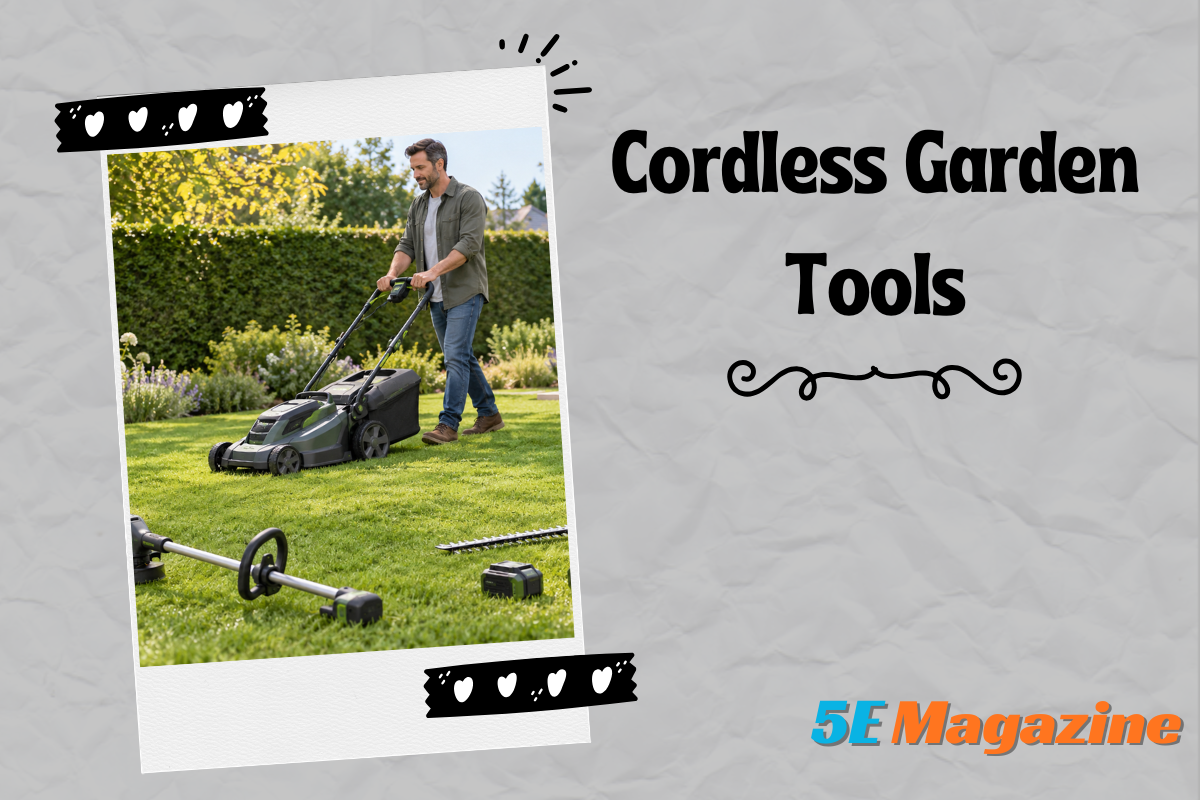
Maintaining a garden can become time-consuming when traditional tools require cords, fuel, or constant manual effort. Modern cordless garden tools offer a practical solution for homeowners who want easier and more flexible garden care. These tools combine portability with useful power for everyday outdoor tasks.
Gardeners often need to trim branches, cut grass, clear leaves, and manage overgrown areas. However, dragging extension cords around a yard can make simple jobs frustrating. Cordless equipment removes much of that hassle while giving users greater freedom to move around their outdoor space.
Why Are Cordless Garden Tools Becoming Popular?
Cordless garden tools have changed how many people approach routine outdoor maintenance. Instead of relying on electrical outlets or fuel-powered equipment, these tools commonly use rechargeable batteries. This design makes them convenient for gardens of different sizes and layouts.
The biggest advantage is freedom of movement. A gardener can work around trees, flower beds, fences, pathways, and other areas without worrying about a power cable. As a result, tasks can feel more organized and less restrictive.
Easy Movement Around the Garden
A cordless design allows users to move naturally around their outdoor spaces. There is no extension cable to pull across lawns or around garden furniture. This makes trimming, pruning, and clearing tasks easier to manage.
This flexibility can also help when working in areas far from electrical outlets. Battery-powered tools can be particularly useful for larger yards and outdoor spaces with limited access to mains power.
Less Hassle During Everyday Tasks
Cordless equipment is designed for convenience. Many models can be picked up, used, and stored without preparing fuel or connecting a long power cable.
That simple setup makes them useful for regular garden maintenance. Instead of spending extra time preparing equipment, gardeners can focus directly on the task.
Useful for Different Types of Gardeners
These tools can suit homeowners, hobby gardeners, and people who regularly maintain larger outdoor spaces. Different tool types allow users to select equipment according to their specific needs.
The right combination can make routine garden care much more manageable.
What Types of Cordless Garden Tools Are Available?
The cordless garden equipment market includes tools designed for cutting, trimming, clearing, and general maintenance. Each tool serves a different purpose, so understanding the options can help gardeners build a practical collection.
A gardener does not necessarily need every available tool. Instead, the most useful selection depends on garden size, plants, lawn requirements, and regular maintenance needs.
Cordless Lawn Mowers
Cordless lawn mowers provide a convenient option for maintaining grass without managing a power cable. Battery operation allows the mower to move freely across the lawn.
Many modern models are designed with practical features such as adjustable cutting heights and grass collection systems. Choosing the correct mower size can make lawn maintenance more efficient.
Cordless Hedge Trimmers
Hedges can quickly become untidy without regular trimming. A cordless hedge trimmer can make this job easier while allowing movement along the full length of a hedge.
Because there is no cable to manage, users can work around corners and garden boundaries with greater freedom. Battery capacity and blade length are important factors when choosing a model.
Cordless Leaf Blowers
Leaves and garden debris can collect on lawns, patios, paths, and driveways. Cordless leaf blowers provide a quick way to move this material into a manageable area.
Their portability makes them useful for seasonal cleanup and routine outdoor maintenance. Users should consider airflow performance and battery runtime when comparing different models.
Cordless Chainsaws and Pruners
Pruning smaller branches can require specialized equipment. Cordless chainsaws and pruning tools can provide useful cutting power for suitable garden jobs.
However, users should always follow the manufacturer’s safety instructions. Protective equipment and correct handling remain important when operating cutting tools.
How Do Battery-Powered Garden Tools Work?
Most cordless garden tools rely on rechargeable lithium-ion batteries. These batteries store electrical energy and provide power to the tool’s motor when activated.
Battery capacity affects how long a tool can operate between charges. Therefore, gardeners should consider both the tool’s workload and the battery specifications before making a purchase.
Understanding Battery Capacity
Battery capacity is commonly expressed in amp-hours, often written as Ah. A higher capacity can provide more available energy, although actual runtime depends on the tool and working conditions.
For occasional garden work, a standard battery may provide sufficient operating time. Larger gardens or longer jobs may benefit from additional batteries.
Battery Compatibility Matters
Some manufacturers design multiple tools around the same battery platform. This approach allows one battery system to power several compatible tools.
For gardeners building a collection, battery compatibility can reduce the number of chargers and batteries required. It can also make expanding the tool collection more convenient.
Charging and Storage
Proper battery care can support reliable performance. Batteries should be charged according to the manufacturer’s instructions and stored in appropriate conditions.
Extreme temperatures and improper storage can affect battery performance. Following the product manual helps protect both the battery and the tool.
What Are the Main Benefits of Cordless Garden Tools?
The appeal of cordless equipment extends beyond simply removing a cable. These tools can provide a combination of convenience, flexibility, and easier handling for regular garden maintenance.
However, every tool has limitations. Battery runtime, charging requirements, weight, and power levels can vary between models. Understanding these factors helps users choose equipment that matches their actual needs.
Greater Portability
Portability is one of the clearest benefits of cordless equipment. Tools can be carried easily from one part of the garden to another without locating an outlet.
This becomes especially useful when several areas need attention during the same maintenance session.
Quieter Outdoor Maintenance
Many battery-powered garden tools operate with less noise than comparable petrol-powered equipment. This can make them more comfortable for routine residential use.
However, noise levels vary between products. Users should check the manufacturer’s specifications before comparing models.
Reduced Fuel Dependence
Cordless tools do not require petrol for operation. Instead, rechargeable batteries provide their operating power.
This can simplify equipment storage because users do not need to keep fuel for routine garden work.
Easier Starting and Operation
Battery-powered tools generally avoid the starting process associated with some petrol equipment. A charged battery and the correct operating procedure are usually enough to begin the task.
This straightforward approach can make everyday garden maintenance feel less complicated.
How Should Gardeners Choose Cordless Garden Tools?
Choosing the right tool starts with understanding the work that needs to be completed. A small lawn requires different equipment from a large garden with mature trees and extensive hedges.
Price should also not be the only consideration. Battery compatibility, runtime, tool weight, maintenance requirements, and warranty support can all influence long-term value.
Consider the Garden Size
Garden size is an important starting point. Smaller outdoor areas may need only a few basic tools, while larger properties can require equipment with longer runtime and greater capacity.
A gardener should consider the average length of each maintenance session. This helps determine whether one battery is sufficient or additional batteries may be useful.
Check Tool Weight and Ergonomics
A powerful tool is not always comfortable to use for extended periods. Weight, handle design, balance, and controls can influence the overall experience.
For trimming and pruning tasks, comfortable handling becomes particularly important. A well-balanced tool can help reduce unnecessary strain during repetitive work.
Look at the Battery System
Battery compatibility can affect both convenience and future costs. A shared battery platform can allow several tools to operate with the same battery type.
Before purchasing, users should check whether batteries and chargers are included. Some products are sold as tool-only options.
How Can Cordless Garden Tools Make Maintenance Easier?
A well-planned collection can simplify regular garden care. Instead of buying equipment based only on appearance or advertised power, gardeners can choose tools around their most common tasks.
For example, a homeowner may need a mower for weekly lawn care and a trimmer for seasonal hedge maintenance. Another gardener may need pruning equipment and a blower more often.
Build a Practical Tool Collection
The best collection is not necessarily the largest one. It should contain tools that solve real maintenance problems.
Starting with frequently used equipment can prevent unnecessary spending. Additional tools can then be added when new garden tasks arise.
Plan Battery Use
Battery planning can make longer jobs easier. Users can charge batteries before scheduled maintenance and keep compatible spare batteries available when needed.
This approach helps prevent interruptions during larger garden projects.
Maintain Tools Regularly
Regular care can support dependable performance. Cleaning cutting areas, checking moving parts, inspecting batteries, and following storage instructions can help keep equipment ready for use.
Manufacturers may provide different maintenance requirements. Therefore, the product manual should remain the primary reference for each tool.
Safety Tips for Using Cordless Garden Tools
Cordless equipment can make garden maintenance more convenient, but safe operation remains essential. Cutting tools, rotating blades, and high-speed air systems can cause injuries when used incorrectly.
Users should read the manufacturer’s instructions before operating unfamiliar equipment. Protective eyewear, gloves, suitable footwear, and hearing protection may also be appropriate for certain tasks.
Keep the Work Area Clear
Branches, stones, toys, and other objects should be removed from the working area when appropriate. Clear surroundings can reduce potential hazards during mowing, trimming, and blowing.
Users should also remain aware of other people and pets nearby.
Handle Batteries Carefully
Batteries should be used only with compatible tools and chargers. Damaged batteries should not be used.
Following the manufacturer’s charging and storage instructions is important for safe operation and reliable performance.
Store Equipment Properly
After completing garden work, tools should be cleaned and stored in a suitable location. Cutting tools should receive particular attention because exposed blades can present hazards.
Conclusion
Cordless garden tools offer a flexible approach to everyday outdoor maintenance. Their portable design can make mowing, trimming, pruning, and clearing tasks easier to organize. Battery technology also gives gardeners more freedom without the limitations of extension cables.
The right equipment depends on the garden, workload, and user’s maintenance habits. By comparing battery systems, tool performance, comfort, safety features, and long-term practicality, gardeners can create a useful collection that supports regular outdoor care. For anyone planning an equipment upgrade, exploring suitable cordless garden tools can be a practical first step toward simpler garden maintenance.
FAQs
1. Are cordless garden tools powerful enough for regular garden work?
Modern battery-powered equipment can handle many routine garden maintenance tasks. However, performance varies by tool, battery, and manufacturer. Users should select equipment according to the specific work required.
2. How long do cordless garden tool batteries last?
Battery runtime depends on capacity, tool type, workload, and operating conditions. A mower may use energy differently from a small trimmer. Checking the manufacturer’s runtime information provides a more useful estimate.
3. Are cordless garden tools suitable for large gardens?
They can be suitable for larger gardens when users choose appropriate battery capacity and equipment. Extra batteries can also help reduce interruptions during longer jobs.
4. Can one battery work with different cordless garden tools?
Some manufacturers offer shared battery platforms across multiple tools. However, compatibility is not universal. Users should confirm that the battery system matches each tool before purchasing.
5. Are cordless garden tools easier to maintain than petrol tools?
They can require less routine maintenance because they do not use petrol engines. However, blades, moving parts, batteries, and other components still require proper care.
6. Are cordless garden tools environmentally friendly?
Battery-powered tools avoid direct fuel combustion during use. Their overall environmental impact also depends on battery production, electricity sources, product lifespan, and disposal practices. Therefore, environmental benefits vary by product and usage.
7. What should buyers check before purchasing cordless garden tools?
Important factors include battery capacity, compatibility, tool weight, runtime, performance, warranty, and intended use. Buyers should also check whether batteries and chargers are included.
8. Can cordless garden tools be used in wet conditions?
Users should follow the manufacturer’s instructions regarding water and weather exposure. Electrical and battery-powered equipment should not be used in conditions that the manufacturer does not approve.
