

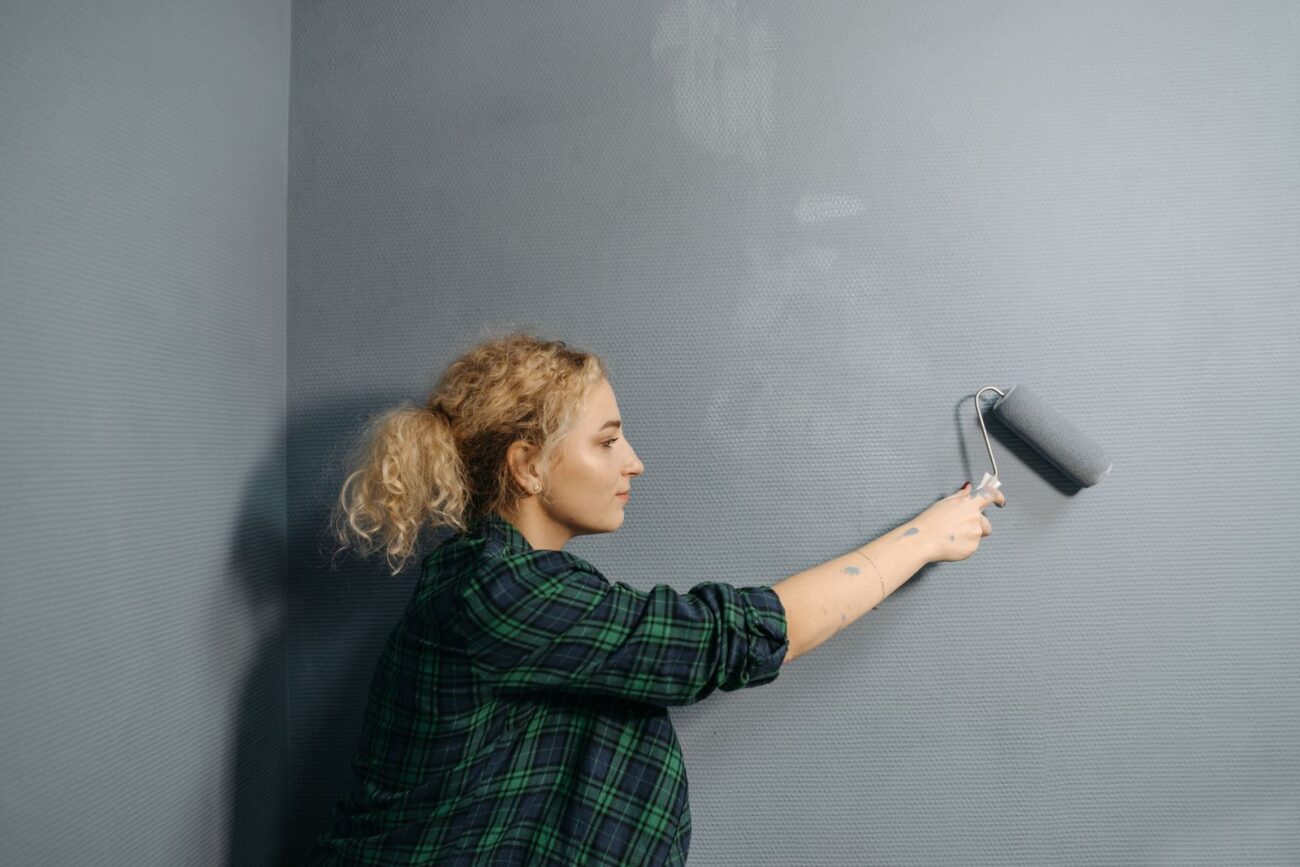
Painting a room is one of the most satisfying home improvement projects you can take on: a fresh coat of paint can change the whole feel of a space in a single day, for far less than most other upgrades. Before you open the first can, though, one question comes up every time: how long does it take to paint a room?
The short answer is that a standard 12-by-12-foot bedroom takes a professional crew about 2 to 4 hours of active work, while a do-it-yourself painter should plan on 5 to 8 hours, not counting drying time between coats. The real number depends on the room’s size, its condition, how many coats you need, and whether you work alone or with help.
Key Takeaways
- A 12×12 bedroom takes a pro crew 2 to 4 hours and a DIY painter 5 to 8 hours, plus drying time.
- Latex paint is dry to the touch in about 1 hour and ready for a second coat in 2 to 4 hours; oil-based paint needs 24 hours.
- Two coats are standard, so the drying wait between coats is the biggest part of the clock time.
- Prep is where first-timers lose the most time — budget 1 to 2 hours.
- Latex paint takes 2 to 4 weeks to fully cure, so treat fresh walls gently.
How Long Does It Take To Paint A Room? The Quick Answer
Most single rooms take between half a day and a full day for a DIY painter, and between a few hours and a full working day for a professional crew. The gap is mostly about experience and extra hands: professionals cut in edges and roll walls in parallel, and they do not stop to re-learn each step.
For a standard bedroom with 8-foot ceilings, professional painting guides put a two-person crew at 2 to 4 hours for walls only, including prep, two coats, and cleanup. A solo DIY painter should budget 5 to 8 hours of active work, plus 2 to 4 hours of drying time between coats.
The key distinction is active time versus clock time. Active time is the hours you spend working; clock time is the full span until the room is usable again, including waiting while paint dries. A room that needs 6 hours of active work can easily take 10 to 12 hours of clock time.
How Long To Paint A Room By Size
Room size is the most obvious factor, but not the only one. A small bathroom can still take hours if it has lots of trim and tight corners, while a big empty living room with long, straight walls can go faster. The ranges below are for walls only, with two coats.
- Small bathroom or hallway: pro crew 1 to 3 hours; DIY 2 to 5 hours.
- Small bedroom (10×10 feet): pro crew 3 to 5 hours; DIY 6 to 10 hours.
- Standard bedroom (12×12 feet): pro crew 2 to 4 hours; DIY 5 to 8 hours, plus 2 to 4 hours of drying time.
- Large bedroom or living room (14×16 feet and up): pro crew 6 to 10 hours; DIY 12 to 20 hours over two days.
- Kitchen: the longest single room — cabinets, backsplashes, and trim mean far more cutting in.
- Whole house interior (1,500 to 2,500 square feet): pro crew 3 to 5 days; DIY, think in weeks, one room at a time.
Where The Hours Actually Go: Prep, Painting, Drying, Cleanup
Prep work comes first and usually takes 1 to 2 hours for a standard bedroom: moving furniture to the center of the room, laying drop cloths, removing outlet covers, filling nail holes, sanding rough spots, wiping the walls clean, and taping the trim and window frames. If you are making a big color change, or painting over stains or bare drywall, add a coat of primer.
Cutting in takes 1 to 2 hours for an average room: painting the edges with a brush where the roller cannot reach — along the ceiling, around the trim, in the corners, and around outlets and windows. It is slow, careful work, and it is where beginners lose the most time.
Rolling takes about 30 to 45 minutes per coat for an average room. A gallon of wall paint covers roughly 350 to 400 square feet in a single coat, according to Sherwin-Williams, and a 12-by-12 room has about 430 square feet of wall surface, so one gallon per coat is a reasonable rule of thumb. Two coats are the standard, and the second coat usually goes faster than the first.
Drying time is the phase you cannot speed up by working harder. For latex paint, the first coat is dry to the touch in about 1 hour, but wait 2 to 4 hours before the second coat. That wait is dead time for a single room, which is why pro crews rotate to the next room. Cleanup takes 30 minutes to 1 hour.
What Makes Painting Take Longer (Or Shorter)
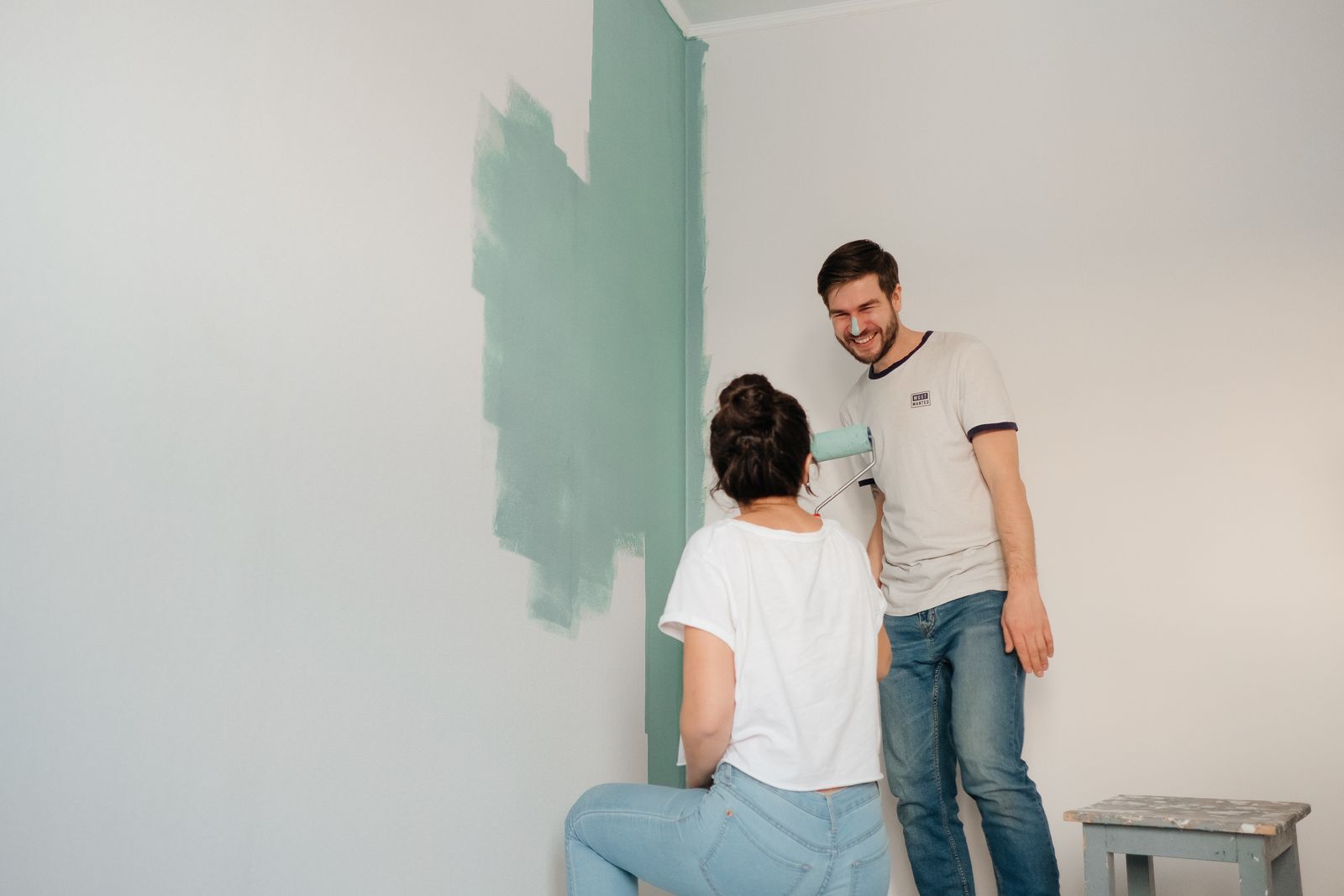
The condition of the walls is the first factor. Smooth walls in good shape need little more than a quick wipe and some taping, while walls with nail holes, cracks, or water stains need patching, sanding, and often a primer coat. Painting over a dark color with a light one almost always needs an extra coat.
The number of coats matters just as much. Two coats are standard, but a dramatic color change, a cheap paint, or a wall that has never been painted can need three — and each extra coat adds another full drying wait, so a three-coat job can easily add half a day.
Temperature, humidity, and airflow affect drying more than most people expect. Latex paint dries best when the room is between about 50 and 85 degrees Fahrenheit, with moderate humidity and some air moving through the space. High humidity slows drying because the water in the paint cannot evaporate as easily, so open a window or run a fan on low. If you are choosing a color too, our guide to the best paint colors for a small bathroom shows how the right shade can make a windowless room feel bigger.
How Long Does Paint Take To Dry Between Coats?
Drying time causes more confusion than any other part of painting, because three different words describe three different stages. Dry to the touch means the surface is no longer wet and will not smear if brushed lightly: about 1 hour for latex paint, 6 to 8 hours for oil-based. Recoat time is the wait before the next coat can go on safely: 2 to 4 hours for latex, 24 hours for oil-based. Cure time is the time for paint to fully harden — typically 2 to 4 weeks for latex.
Here are the standard drying times for the paints most people use indoors, from manufacturers and guides like Bob Vila’s explanation of how long paint takes to dry.
- Latex (water-based) paint: dry to the touch in about 1 hour, ready for a second coat in 2 to 4 hours, fully cured in 2 to 4 weeks. The usual choice for interior walls: fast-drying, low odor, and cleans up with water.
- Oil-based (alkyd) paint: dry to the touch in 6 to 8 hours, ready for a second coat in 24 hours, fully cured in 1 to 4 weeks. Mostly used today for trim and cabinets.
- Primer: dry to the touch in about 30 minutes, usually ready to paint over in about 1 hour, though some products recommend up to 3 hours.
Waiting the full recoat time matters. Rolling a second coat over a first coat that is still soft underneath can pull the first coat up and leave streaks, bubbles, or peeling paint. The Spruce puts it plainly in its guide to how long to wait between coats of paint: four hours for latex, 24 hours for oil-based. When in doubt, wait longer.
Painting A Room Yourself Vs. Hiring A Professional
A professional crew brings experience, extra hands, and better tools, and finishes a standard bedroom in a fraction of the time a first-timer needs. A two-person crew can paint a 12-by-12 bedroom in 2 to 4 hours of active work, and they use the drying time between coats productively by moving to the next room.
But time is only one side of the decision. Painting yourself saves money and is genuinely satisfying. Hiring a professional makes more sense when the room has high ceilings, damaged walls, or a tight deadline, or when the job includes ceilings, trim, and doors, which can double the time. If you hire someone, ask whether the quote covers walls only or walls plus ceiling and trim, and how many coats are included.
How To Paint A Room Faster Without Cutting Corners
You cannot make paint dry faster than chemistry allows, but you can cut hours off the active work with a little planning. The fastest painters are not the ones who roll the quickest; they are the ones who never stop to hunt for a tool.
Prep the room the night before if you can, so you can start rolling first thing in the morning. If you have a helper, split the work: one person cuts in while the other rolls, keeping a wet edge so the two blend together. Work in a sensible order — ceiling first, then walls, then trim and doors last — and keep the room ventilated with a fan on low and, weather permitting, an open window.
Small maintenance jobs pair well with a painting weekend, too. If a door has been squeaking every time you open it, take ten minutes to fix a squeaky door while the paint dries. And if the fresh paint has you thinking about the rest of the house, learning to build a picnic table is a good next project.
Common Mistakes That Add Hours To The Job
Most painting delays are avoidable mistakes. The most expensive one is recoating too soon: rolling a second coat over paint that has not dried enough can pull the first coat off the wall, leaving streaks that need sanding and repainting.
Using the wrong tools also slows you down: a cheap roller cover that sheds lint or a brush that leaves bristle marks will cost you time in fixes. Buy a decent roller cover for your surface — a thicker nap for textured walls, a thinner one for smooth walls. And do not paint in the wrong conditions: a very humid day or a cold room will stretch every drying time, so aim for a dry day with the room between about 50 and 85 degrees.
The Bottom Line: Plan For A Full Day
So, how long does it take to paint a room? For a standard bedroom, plan on a full day if you are doing it yourself: 5 to 8 hours of active work, plus 2 to 4 hours of drying time between coats, with the room ready for light use the next day. A professional crew can do the same room in 2 to 4 hours of active work, but they are still bound by the same drying times.
Painting is a two-part job: the work you do, and the waiting the paint does. You control the first part with good prep, the right tools, and a sensible order of work. The second part is fixed by the paint itself — and patience there is what separates a smooth, durable finish from a rushed job you will have to redo.
Frequently Asked Questions
How Long Does It Take To Paint A 12×12 Bedroom?
A professional crew takes about 2 to 4 hours of active work, while a DIY painter needs 5 to 8 hours, plus 2 to 4 hours of drying time between coats. Most DIY painters finish a standard bedroom in one full day.
Can I Paint A Room In One Day?
Yes, for most bedrooms and small rooms. With latex paint, you can prep, apply two coats with a 2 to 4 hour drying wait between them, and clean up within a single day. Larger rooms, or rooms that also need the ceiling and trim painted, usually take two days.
How Long Should I Wait Between Coats Of Paint?
Wait 2 to 4 hours between coats of latex paint, and a full 24 hours between coats of oil-based paint. Recoating too soon can cause streaks, bubbles, and peeling.
How Long After Painting Can I Sleep In The Room?
With latex paint, wait at least 4 hours with good ventilation before sleeping in the room, and with oil-based paint, wait at least 24 hours. Light use is generally fine after 24 hours, but keep heavy furniture away from the walls for 48 to 72 hours.
How Long Does It Take For Paint To Fully Cure?
Latex paint takes 2 to 4 weeks to fully cure and reach maximum hardness, even though it feels dry to the touch in about an hour. Avoid scrubbing the walls or hanging heavy objects on them until the paint has cured.
