

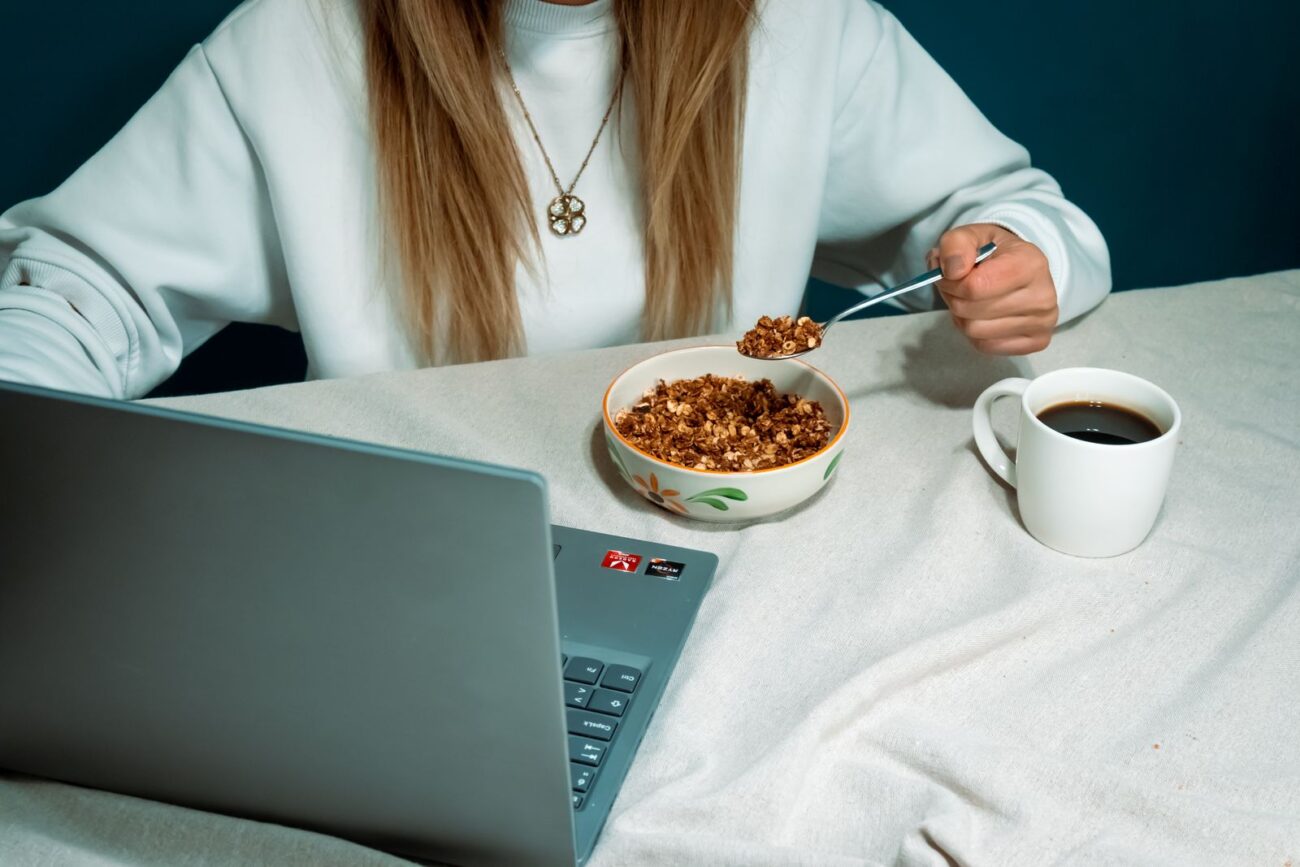
Good habits are the small actions you repeat every day that quietly shape your health, your mood, your work, and your relationships. You do not need a dramatic life overhaul to feel better or get more done. What you need is a short list of good habits that fit your real life, done regularly enough that they become automatic. This guide covers practical habits for body, mind, work, relationships, and money.
Key Takeaways
- Good habits are small, specific, and repeatable. Vague promises such as “be healthier” rarely last.
- Start with three to five habits, not fifteen, and add more only when the first ones feel steady.
- Health habits come first: regular sleep, daily movement, and simple food and water habits support everything else.
- Attach a new habit to something you already do, and track it simply. One missed day is normal; two in a row is the pattern to avoid.
What Makes A Habit A Good Habit?
A good habit is an action that is small enough to repeat, clear enough to check, and useful enough to matter. “Exercise more” is a wish. “Walk for 20 minutes after dinner, five days a week” is a habit, because you can tell at bedtime whether you did it. It should also fit the life you actually have: if a habit needs an hour or special equipment, shrink it until it feels almost too easy. A two-minute version done daily beats a thirty-minute version that never happens. And tie it to a reason you care about: “save a little each week so a car repair does not become a crisis” survives where “save money” fades.
Good Habits For Your Health
Your health habits are the foundation of everything else: sleep well, move daily, and eat reasonably, and your focus, patience, and energy improve within days.
Sleep On A Regular Schedule
Sleep is the most useful health habit to build first. The Centers for Disease Control and Prevention recommends that adults aged 18 to 60 get at least 7 hours of sleep a night. Regular timing matters almost as much as the hours: going to bed and waking up at roughly the same times each day, including weekends, steadies your body clock. Switch off screens at least 30 minutes before bed and keep the bedroom cool, dark, and quiet.
Move Your Body Every Day
Daily movement needs no gym or intense workout: walking, cycling, gardening, and dancing all count. The aim is to move on purpose every day, even if only for ten minutes. The Centers for Disease Control and Prevention advises adults to get at least 150 minutes of moderate-intensity aerobic activity a week, such as brisk walking for 30 minutes on five days, plus muscle-strengthening activities on at least two days a week. For the official guidance, see the CDC’s page on adding physical activity as an adult.
Eat Simply And Drink Water
Good eating habits are usually simpler than diet advice makes them sound. Eat regular meals, include vegetables or fruit with lunch and dinner, cook at home more often, and drink water through the day. Keeping a bottle of water visible on your desk is often more effective than any reminder app. No strict diet or expensive supplements are needed: small, steady changes, such as cooking at home four nights a week, are easier to maintain than a dramatic diet that lasts two weeks.
Good Habits For A Clearer Mind
Your mind needs habits too, and a few minutes a day is enough to start.
Read Or Learn For A Few Minutes Daily
Reading for ten minutes a day adds up to a large amount over a month, and the same is true of learning a language or practising a skill. The key is intention: choose what you want to learn and why, instead of scrolling through short videos for hours. Short, regular sessions usually beat rare, long sessions that are easy to postpone. Keep a book visible, such as beside your coffee, so the habit has a cue.
Write Down One Good Thing Each Day
Writing down one good moment or one thing you are grateful for takes less than a minute, and it trains your attention to notice what went well instead of only what went wrong. A highlight of the day works just as well; the habit is the daily pause, not the label.
Take Regular Breaks From Screens
Hours of scrolling crowd out sleep, reading, and real conversation. A useful habit is a daily screen rule you can actually check, such as no phone during dinner, a screen break every hour during work, or switching off social media an hour before bed. Choose one rule, not three.
Good Habits For Work And Productivity
Good work habits are about starting clearly and finishing what matters.
Plan Tomorrow Before You Finish Today
Spend five minutes at the end of your working day writing down the one or two most important tasks for tomorrow. When you sit down in the morning, you already know where to start, instead of losing the first hour deciding. Keep it to two or three tasks you can actually finish.
Start With The Hardest Task First
Most people do the easy tasks first and leave the hard one for later, when their energy is gone. Try the opposite: do the most important or most difficult task in your first working hour, before email and messages take over. Even twenty minutes of focused work on the hard task makes the rest of the day feel lighter. If it feels too big, start with the smallest first step.
Good Habits For Relationships
Small, regular investments in other people often pay off faster than any solo habit.
Listen Properly And Put The Phone Away
Most people listen while waiting for their turn to speak. Try listening to understand instead: put your phone away, look at the person, and ask one genuine follow-up question before offering your own view. People notice the difference. Regular contact matters more than occasional grand gestures.
Keep Small Promises
Reliability is one of the most underrated relationship habits. Reply to the message, turn up when you said you would, and ask about the small detail someone told you last time. You do not need to be charming to be trusted; you need to be consistent.
Good Habits For Money
Money habits work the same way: small, automatic actions beat occasional big efforts.
Save A Little Automatically
The simplest money habit is to move a small amount into savings as soon as you are paid, before you spend it. Even a modest amount, saved every week or every month, adds up over a year, and the habit matters more than the number. Keep it in a separate account so you are less likely to spend it by accident. Even a small emergency cushion turns an unexpected bill from a crisis into an inconvenience.
Track Spending For One Month
Most people are surprised by where their money actually goes. For one month, write down every expense, or check your bank statement weekly and sort spending into a few simple categories. The point is not guilt; it is information. You may find one category, such as takeaway food or unused subscriptions, that is easy to cut. Our list of examples of personal goals includes practical money goals with amounts and dates.
How To Start Good Habits And Keep Them
Start with only one habit at a time, or at most three, and attach the new habit to something you already do: after brushing your teeth, stretch for two minutes; after lunch, take a short walk; after your evening meal, read for ten pages. The existing routine becomes the reminder, so you do not have to rely on willpower alone. The National Institutes of Health gives similar advice in its guide to creating healthy habits: make a plan with small, reasonable goals, and change your surroundings so the healthy choice is the easy choice.
Track them simply, with a tick on a calendar or a note in a journal. Our guide to habits to track explains a fuller system. How long does it take for a habit to feel automatic? In a 2010 study by Phillippa Lally and colleagues at University College London, 96 volunteers repeated a simple new behaviour daily in the same context. The median time for it to feel automatic was about 66 days, but the range was wide, from 18 to 254 days. There is no magic number, and missing a single day did not meaningfully derail the process. The danger is not the missed day; it is the decision to quit after it. Never miss twice in a row, but never punish a single miss. If a habit keeps failing, change the plan, not your character; see our guide on how to improve yourself.
Common Mistakes To Avoid
Knowing what not to do is as useful as knowing what to do. These mistakes most often stall new habits, and each one has a simple fix.
- Trying to change everything at once. Pick one habit, make it stick, then add the next.
- Waiting to feel motivated. Motivation usually follows action, not the other way round.
- Aiming for perfection. A missed day or a bad week is normal.
- Copying someone else’s list. A friend’s routine may not fit your life.
- Tracking only outcomes. Track the behaviour, such as walking, not the outcome.
Conclusion
Good habits are not about becoming a different person overnight. They are about choosing a few small actions and repeating them until they become part of an ordinary day: sleeping on a regular schedule, moving your body, eating simply, reading a little, listening properly, and saving a little. Together, repeated over weeks and months, they change how you feel and how you work. Start today with the smallest version of one habit, and do it again tomorrow.
Frequently Asked Questions About Good Habits
How Many Good Habits Should I Start At Once?
Start with one to three. A short list is easier to remember and less likely to feel overwhelming. Once they feel steady, add one more.
What Is The Best First Good Habit To Build?
Sleep is often the best first habit, because better sleep improves energy, mood, and focus, which makes every other habit easier. If your sleep is regular, a daily ten-minute walk is a strong alternative.
How Long Does It Take To Build A Good Habit?
It varies widely by person and by habit. A 2010 study by Lally and colleagues found a median of about 66 days for a simple daily behaviour to feel automatic, with a range of 18 to 254 days.
What Should I Do If I Keep Failing At A Habit?
Shrink the habit, move it to a different time of day, or attach it to a different existing routine. If it still fails, choose a smaller version of the same goal.
Do Good Habits Have To Cost Money?
No. The most useful good habits cost nothing: sleeping on a schedule, walking daily, drinking water, reading library books, listening carefully, and writing down one good thing each day.
General-information note: This article is for general lifestyle information only and is not medical advice. If you have a health condition, persistent sleep problems, or ongoing low mood, speak to a qualified health professional.
