

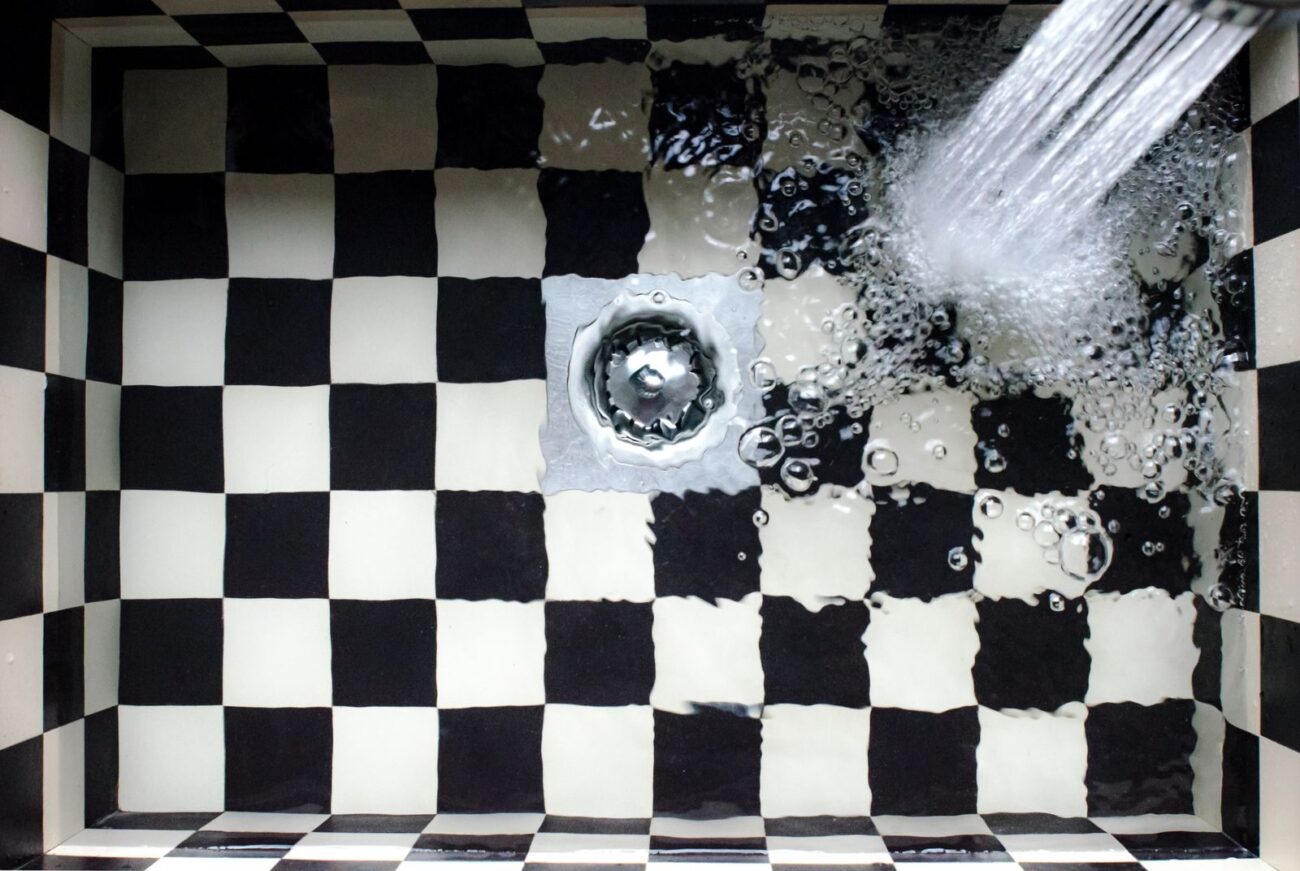
A shower that drains slowly, or not at all, is one of the most common household annoyances. The good news is that almost every shower clog is the same thing: hair and soap scum caught just below the drain. That means you can usually fix it yourself in under half an hour, with simple tools and no harsh chemicals.
What Causes A Shower Drain To Clog
Every time you shower, loose hair rinses down the drain and binds with soap scum, shampoo residue, and body oils. Over weeks and months, that sticky mixture builds up on the pipe walls and catches more hair, until water starts pooling around your feet.
Hair is the main culprit, which is why households with long hair or pets see clogs more often. Soap matters too. Traditional bar soaps leave more residue than liquid body wash, and that residue helps glue the clog together. Hard water adds mineral deposits that narrow the pipe over time, though that is a slower process.
A slow drain is an early warning. If you deal with it when the water is only slightly slow, the fix is usually a five-minute job. If you wait until the shower floods, the clog has had time to pack tightly, and you will need a tool to clear it.
Before You Start: Safety And Setup
Put on rubber gloves before you touch a drain. Drain water carries bacteria, and you will be pulling out hair and slime. Eye protection is a sensible extra if you plan to plunge or snake, because dirty water can splash.
Never mix household cleaners. The CDC warns against combining bleach with ammonia, vinegar, or other drain cleaners, because the mixture can create chlorine and chloramine gases that severely damage the lungs. If you have already poured a chemical cleaner down the drain and it did not work, do not pour anything else on top. Flush thoroughly with water and wait 24 hours before trying something else.
Gather what you need before you start: a screwdriver for the drain cover, a plastic hair snake or a wire coat hanger bent into a hook, a cup plunger, baking soda and white vinegar, a bucket, and old towels for the floor. A small hand auger, also called a drain snake, is worth having if the clog is stubborn. A basic 25-foot hand auger costs about 20 to 30 dollars at a hardware store.
Method 1: Remove The Hair At The Top
Start here, because most shower clogs are within a few inches of the drain opening. Remove the drain cover first. If it is screwed down, back the screws out and set them somewhere safe. If it lifts off, pry it up gently with a flat screwdriver.
With gloves on, pull out any hair you can see or reach. Then push a plastic hair snake into the drain, twist it a few times, and pull it back slowly. It will come out with a clump of hair attached. Repeat until the tool comes back clean. A wire coat hanger bent into a small hook works the same way if you do not have a hair snake, though it is less effective at grabbing hair.
Run the shower for a minute after this step. If the water drains normally, you are done. Put the cover back on and consider a hair catcher to stop the next clog before it starts. If the water is still slow, move to the next method.
Method 2: Plunge The Drain
A plunger works on shower drains when there is enough water to create a seal. Make sure at least an inch of water is standing in the shower, adding some with a bucket if needed.
Place a cup plunger over the drain and press down firmly to form a seal. If your shower has an overflow opening, block it with a wet rag, or the pressure will escape through it. Pump the plunger up and down vigorously for 15 to 20 seconds, then lift it sharply. Repeat a few times, and check whether the water drains faster after each round.
Plunging pushes and pulls the clog, which can break it loose or move it into a position where it flushes away. It is especially effective on clogs that are mostly soap scum rather than a tight wad of hair. Do not plunge after pouring in a chemical drain cleaner, because the cleaner can splash back onto your skin and eyes.
Method 3: Snake The Drain
When hair removal and plunging fail, a drain snake is the answer. A hand auger is the right tool for a shower drain, and the quarter-inch size is a good fit for household pipes. Insert the end of the snake into the drain opening and slowly push it deeper while turning the handle clockwise. When you feel resistance, you have reached the clog. Keep turning so the cable hooks into the hair and soap, then pull back slowly and steadily. The goal is to hook the clog and pull it out, or break it up enough to flush away.
Work gently. You are not trying to drill through the pipe, and forcing the cable can damage fittings or scratch a shower pan. If the snake stops moving forward, pull it back slightly and try again at a different angle. Clean the cable as you go, and run hot tap water down the drain after each pass to check your progress.
If the clog is deeper than a hand auger can reach, about 25 feet, or if the snake keeps hitting something solid, that is a sign the problem may be further down the line. At that point, a plumber with a powered auger and a camera can find out what is going on.
Method 4: Baking Soda And Vinegar For Slow Drains
Baking soda and vinegar is the most famous home remedy for drains, and it is also the most misunderstood. It will not dissolve a wad of hair. What it can do is loosen soap scum and deodorize the drain after you have removed the hair mechanically, and it can help a slow drain that is only partly blocked.
Start by removing any standing water from the shower with a cup. Pour half a cup of baking soda directly into the drain, then slowly pour half a cup of white vinegar after it. The mixture will fizz. Cover the drain with a damp rag for 10 to 15 minutes to keep the fizz working down in the pipe rather than up into the room. Then flush with very hot tap water.
The fizzing action agitates organic material, which is why it helps with light buildup. It does not dissolve grease or hair directly, so think of this as cleanup and maintenance, not the main fix for a solid clog.
Do not combine this with commercial drain cleaners. If you have already used a chemical cleaner, do not add baking soda and vinegar on top of it. One chemistry experiment per drain is enough.
How To Prevent Shower Drain Clogs
Prevention is cheaper and easier than any fix. A hair catcher is the single best investment. These simple mesh or silicone covers sit over the drain and catch hair before it goes down the pipe. They cost a few dollars, and cleaning one after every couple of showers takes about 30 seconds. Brushing your hair before you shower also helps, because it removes loose strands before they reach the drain.
Run hot water for 30 seconds after each shower to flush soap residue through the trap. Once a month, do the baking soda and vinegar flush described above, or use an enzyme cleaner, which breaks down soap scum slowly over time but will not clear a big hair plug. If your pipes are plastic, use hot tap water rather than boiling water, which can damage plastic pipes, rubber seals, and glued joints.
Chemical drain cleaners should be your last resort, and for most shower clogs they are not needed at all. They rarely dissolve a hair clog completely, they only burn a channel through it, and they can damage older pipes, especially cast iron and galvanized steel. They also make the next step risky, because snaking a drain that contains chemical cleaner can splash it onto your skin. If you do use one, pick a product labeled safe for your plumbing, follow the instructions exactly, wear gloves and eye protection, and never mix it with anything else.
When To Call A Plumber
Most shower clogs are a do-it-yourself job, but some signs mean the problem is bigger than the shower. Call a plumber if more than one fixture is draining slowly at the same time, because that points to a blockage in the main line rather than the shower trap. Call one if water comes up in the tub or shower when you flush the toilet, or if you smell sewage. Those are signs of a sewer problem, not a hair clog.
Also call a plumber if the same drain clogs again within days of clearing it, or if the snake hits something solid that will not move. A professional can run a camera down the line and find a broken pipe, a root intrusion, or a badly installed trap.
The Bottom Line On Shower Drains
A clogged shower drain is almost always hair and soap scum, and the fix follows a simple order: pull the hair out first, plunge second, snake third, and use baking soda and vinegar for cleanup and maintenance. Chemical cleaners come last, if at all, and they are never mixed with anything else. A hair catcher and a monthly hot water flush will keep most drains clear for good. Fix a slow drain early, and you will rarely need anything more than gloves and five minutes.
Frequently Asked Questions
Why Does My Shower Drain Keep Clogging?
The most common cause is hair binding with soap scum just below the drain. Every shower adds more hair and residue, so the buildup returns unless you use a hair catcher and clean the drain regularly. If a drain clogs again within days of being cleared, the clog may be deeper in the pipe, and a plumber should take a look.
Can I Use Baking Soda And Vinegar To Unclog A Shower Drain?
Baking soda and vinegar can help a slow drain with light soap scum buildup, but it will not dissolve a solid hair clog. Remove the hair mechanically first with a hair snake or drain snake, then use half a cup of baking soda followed by half a cup of vinegar, cover the drain for 10 to 15 minutes, and flush with hot water. Never combine it with commercial drain cleaners.
How Do I Unclog A Shower Drain Without A Snake?
Remove the drain cover and pull out visible hair with gloved hands, then try a plastic hair snake or a wire coat hanger bent into a hook. If that does not work, use a cup plunger with enough standing water to form a seal. A hair snake costs only a few dollars at a hardware store and is worth keeping on hand.
When Should I Call A Plumber For A Clogged Shower Drain?
Call a plumber if more than one fixture drains slowly at the same time, if water backs up into the tub when you flush the toilet, if you smell sewage, if the drain clogs again within days of clearing it, or if a hand auger cannot reach or move the blockage. These signs point to a deeper problem in the main line.
