

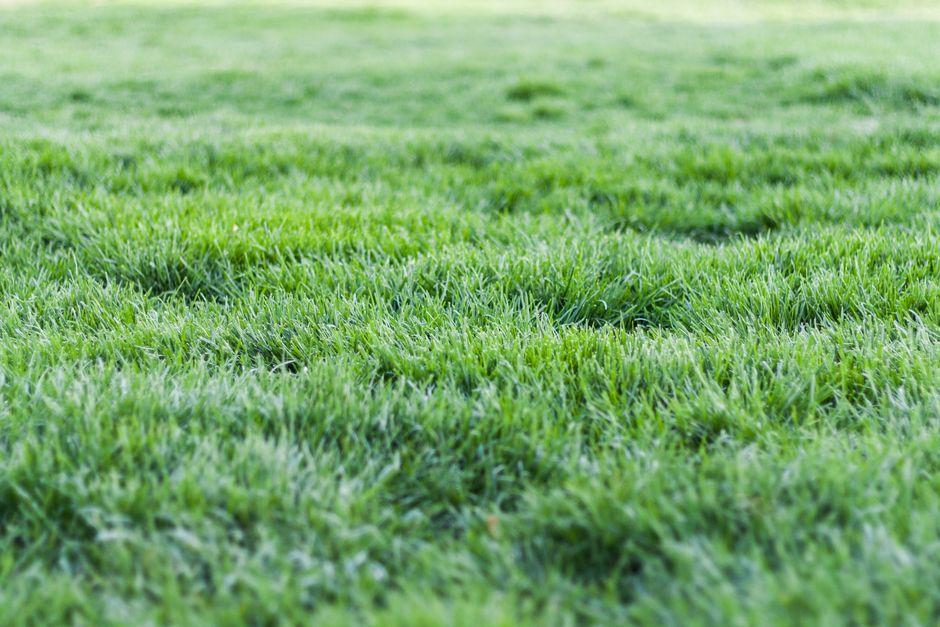
A greener yard does not always require stronger treatments. Grass can look bright after a quick application while the soil beneath it remains compacted, dry, or out of balance. Long-term lawn health depends on understanding the site, supporting healthy soil, mowing correctly, and watering according to conditions.
Read Your Lawn Before Choosing a Treatment
A struggling lawn often shows signs before the damage becomes severe. Thin patches near walkways may point to foot traffic or compacted soil. Water that pools after rain can indicate poor drainage or limited infiltration. Weeds concentrated in sunny edges, meanwhile, may reveal thin turf that gives them room to establish.
Grass that fades quickly during hot weather may have shallow roots or soil that does not hold enough moisture. A persistently weak area could be affected by shade, drainage, or repeated traffic. A soil test can identify pH levels and nutrient deficiencies, helping you avoid applying products your lawn does not need.
Support the Soil, Not Just the Surface
Healthy turf depends on more than fertilizer. Soil structure, organic matter, moisture, and living organisms all contribute to the conditions roots need. Microorganisms help break down organic material and cycle nutrients, while a well-structured soil allows air and water to reach the root zone.
This is where organic management changes the conversation. Services such as Organic Lawn Care Services by Soils Alive focus on soil function rather than a temporary change in grass color. That approach can include soil testing, compost, aeration, and carefully selected amendments. The right practices depend on the lawn’s existing condition; organic products are not automatically necessary or suitable for every yard.
The U.S. Environmental Protection Agency recommends assessing soil conditions, including pH, composition, and nutrient content, before making landscape decisions.
Avoid treating every brown patch as a fertilizer problem. Adding nutrients without understanding the cause can waste money and contribute to runoff. Build a routine around what the soil actually needs, then observe how the turf responds over time.
Mowing Habits Can Strengthen or Stress Grass
Cutting grass too short removes leaf area the plant needs to produce energy. It can also expose soil to more sunlight, increase moisture loss, and give weed seedlings an opening.
Keep mower blades sharp and avoid removing more than one-third of the grass blade in a single cut. The best mowing height depends on the grass species, so check guidance for the variety growing in your yard. Taller grass within its recommended range can shade the soil and support deeper roots.
Leave fine clippings on the lawn when they can fall between the grass blades rather than forming thick clumps. They break down and return nutrients to the soil. Change mowing direction periodically to avoid creating ruts or repeatedly stressing the same areas.
Water Deeply and Pay Attention to Runoff
Frequent, shallow watering can encourage roots to remain close to the surface, where they dry out quickly. Watering more deeply, when the lawn needs it, encourages roots to reach farther into the soil. Early morning is often a practical time because evaporation is lower than during the heat of the day.
There is no single watering schedule for every yard. Soil type, slope, rainfall, temperature, and grass species all affect how quickly water is absorbed in your yard. If water starts running across the surface, pause and allow it to soak in before continuing. Shorter cycles can be useful on slopes or compacted ground.
The EPA’s turfgrass and water efficiency guidance covers mowing height, irrigation, and responsible fertilizer use.
Treat Weeds as Clues, Not Just Targets
Weeds can indicate that turf is thin or that site conditions favor plants better adapted to the area. Compacted soil, shade, poor drainage, and unsuitable mowing practices can all make it harder for grass to compete. Removing visible weeds without correcting those conditions often leaves space for new ones.
Start by improving the lawn’s density. Overseed bare areas when conditions are suitable, mow at the recommended height, and address compaction where it is present. Hand-pulling can work for isolated weeds, especially when roots can be removed without disturbing large areas.
Identify problem plants, decide how much you can tolerate, and use targeted control only when needed. If a treatment is necessary, follow the product label and avoid applying it near water, during unsuitable weather, or where people and pets may come into contact with it.
Match Lawn Care to the Season and Grass Type
Cool-season and warm-season grasses grow most actively at different times of year. That affects when aeration, seeding, and other renovation work are likely to succeed. A schedule that works for one grass type may stress another.
For many cool-season lawns, early fall offers favorable conditions for aeration and overseeding because soil remains warm while air temperatures become milder. Warm-season grasses generally follow a different growing cycle, so major work is better timed to their active growth period.
Use grass type, soil moisture, temperature, and local conditions to set your schedule. Summer heat is often a time to protect established turf rather than attempt major renovation. Avoid applying products simply because a calendar or advertisement says it is time.
Build a Consistent Plan, Not a Chemical Routine
A healthier yard usually comes from repeatable decisions rather than a dramatic one-time treatment. Small, steady improvements become more effective when repeated consistently. Test before adding nutrients, mow at an appropriate height, water when needed, and improve soil structure where evidence shows a problem. These steps can reduce avoidable inputs while helping grass handle normal stress.
You do not need a perfect, golf-course lawn to create an attractive outdoor space. Choose plants and grass suited to the conditions, accept some natural variation, and focus on steady improvement. A yard managed with attention to soil, water, and seasonal growth can become more resilient without relying on frequent chemical applications.
