

A home can look beautiful and still be frustrating to live in. Outdated bathrooms, poorly arranged kitchens, insufficient storage, and uncomfortable rooms can make ordinary household activities more difficult than necessary.
Fortunately, improving a home doesn’t always require extensive renovations. Thoughtful upgrades can address everyday inconveniences while improving comfort, functionality, and the property’s overall appearance.
The key is identifying which changes will make the greatest difference to your daily routine. Whether you’re renovating an older property or updating a home you’ve occupied for years, focusing on practical improvements can help create a living environment that better supports your needs.
Start With Bathroom Improvements That Solve Everyday Problems
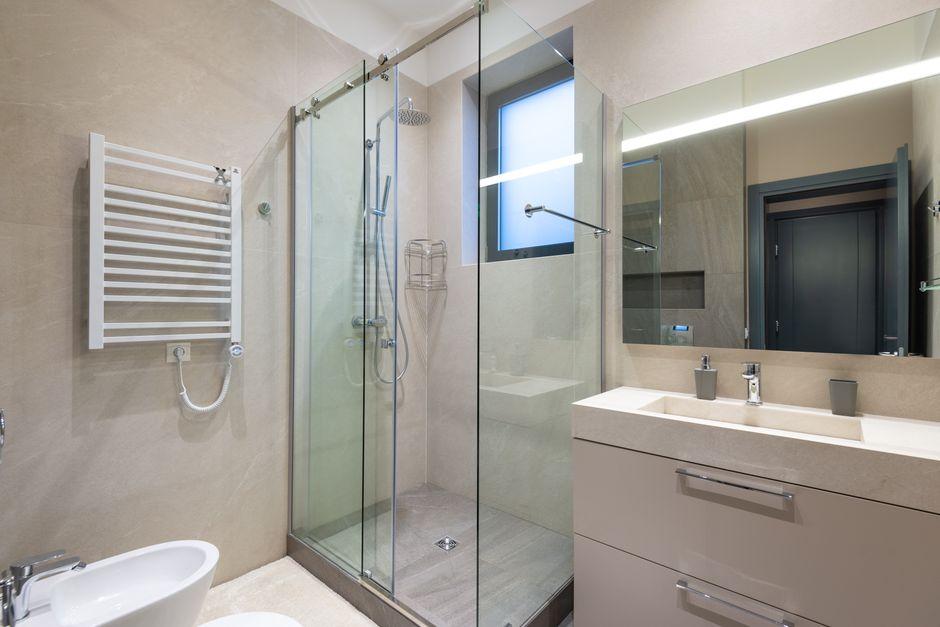
Bathrooms are among the most frequently used spaces in a home, making their condition particularly important. Outdated fixtures, limited storage, poor ventilation, and worn surfaces can affect both convenience and comfort.
Before beginning renovations, identify the features that cause the most frustration. A cramped shower, difficult-to-clean bathtub, or poorly positioned vanity may deserve more attention than decorative details.
Understanding the typical bathroom remodel cost is an important part of evaluating these improvements. Expenses vary depending on the room’s size, material selections, plumbing modifications, labor requirements, and whether existing fixtures can remain in place.
For example, replacing a shower enclosure generally involves different work than relocating plumbing fixtures or rebuilding the entire bathroom.
Consider improvements that support long-term functionality, including accessible showers, slip-resistant flooring, efficient ventilation, and practical storage.
A carefully planned bathroom renovation can improve everyday routines while creating a cleaner, more comfortable space.
Make Your Kitchen More Practical Without Changing Everything
Kitchen renovations often focus on appearance, but functionality deserves equal consideration. Even an attractive kitchen can become inconvenient when storage is limited or preparation areas are poorly arranged.
Begin by evaluating how you use the space during ordinary activities.
Consider whether frequently used utensils are easy to reach, whether countertops provide enough working room, and whether appliances interfere with movement.
Replacing cabinet hardware, improving lighting, and installing additional shelving can make a noticeable difference without changing the entire layout.
If cabinets remain structurally sound, refinishing or repainting them may provide a refreshed appearance.
More extensive renovations might involve replacing damaged countertops, improving ventilation, or modifying inefficient storage arrangements.
When considering layout changes, pay attention to the relationship between the refrigerator, sink, and cooking area.
A practical kitchen should make food preparation, cleaning, and storage easier rather than simply following current design trends.
Improve Lighting to Make Rooms More Comfortable
Lighting influences how rooms function throughout the day. Poor illumination can make cooking, reading, working, and other activities unnecessarily difficult.
Start by identifying spaces where existing lighting feels insufficient.
Kitchens often benefit from dedicated lighting above countertops, while bathrooms require clear illumination around mirrors.
Living rooms and bedrooms may need a combination of general lighting and smaller fixtures for specific activities.
Consider replacing outdated fixtures with energy-efficient alternatives that provide appropriate brightness.
Dimmer switches can offer additional flexibility in spaces used for different purposes.
Natural light also deserves attention. Heavy window coverings or furniture positioned in front of windows can make rooms feel darker than necessary.
When upgrading lighting, choose fixtures that complement the room’s dimensions and intended use.
A thoughtful lighting arrangement can improve visibility, comfort, and the overall atmosphere without requiring major structural changes.
Replace Worn Flooring With More Suitable Materials
Flooring affects the appearance, maintenance requirements, and everyday usability of a home.
Scratched hardwood, damaged tiles, stained carpets, and uneven surfaces can make otherwise well-maintained rooms feel neglected.
Before selecting replacement materials, consider how each room is used.
High-traffic areas generally benefit from durable surfaces that tolerate frequent cleaning.
Bathrooms and laundry rooms require materials appropriate for moisture exposure, while bedrooms may benefit from softer flooring.
Luxury vinyl, ceramic tile, engineered wood, and other materials offer different advantages depending on installation conditions.
Evaluate maintenance requirements, expected durability, and compatibility with existing subfloors.
Avoid choosing flooring based solely on appearance, particularly in households with children or pets.
Proper installation is equally important. Uneven subfloors and inadequate preparation can affect the performance of even high-quality materials.
Create Storage That Matches Your Household’s Needs
Insufficient storage can make a spacious home feel crowded.
When belongings accumulate on countertops, furniture, and floors, everyday cleaning and organization become more difficult.
Instead of immediately purchasing additional cabinets, examine how existing storage areas are being used.
Closets may benefit from adjustable shelving, additional hanging space, or built-in organizers.
Kitchen cabinets can become more practical with pull-out drawers and dedicated compartments.
Entryways often need convenient places for shoes, coats, bags, and other frequently used items.
Consider installing shelving in garages, utility rooms, or other areas where unused wall space is available.
However, avoid creating storage that blocks walkways or interferes with ventilation and access to essential equipment.
Well-designed storage should make possessions easier to find and maintain, rather than simply providing more places to accumulate unnecessary items.
Upgrade Windows and Doors for Better Everyday Function
Windows and doors contribute to a home’s comfort, appearance, security, and energy performance.
Over time, frames may deteriorate, seals can fail, and hardware may become difficult to operate.
Inspect windows for drafts, condensation between glass panes, damaged weatherstripping, and problems with opening or closing.
Exterior doors should close securely and fit properly within their frames.
Sometimes, replacing worn seals or adjusting hardware can resolve minor issues.
More extensive deterioration may justify replacement.
When selecting new windows or doors, consider insulation performance, durability, maintenance requirements, and compatibility with the home’s architecture.
Interior doors can also improve privacy and functionality when existing units are damaged or poorly fitted.
Proper installation matters because even well-manufactured products may perform poorly when gaps or alignment problems remain.
Address Plumbing and Ventilation Before Cosmetic Renovations
Decorative improvements can quickly lose their value when underlying maintenance problems remain unresolved.
Before repainting walls or installing new surfaces, inspect areas where plumbing and moisture problems commonly develop.
Check beneath sinks, around toilets, behind accessible appliances, and near water heaters for signs of leakage.
Discolored surfaces, persistent dampness, and unusual odors may indicate problems requiring further investigation.
Ventilation is another important consideration, especially in bathrooms, kitchens, and laundry areas.
Excessive indoor moisture can contribute to condensation and damage certain building materials.
Ensure exhaust fans operate correctly and discharge air outdoors where required.
If renovation work exposes older plumbing or electrical components, consider having them evaluated before closing the walls.
Addressing these issues first helps protect completed improvements from avoidable damage.
Plan Improvements Around Long-Term Comfort and Property Value
Home improvement decisions should reflect both current household needs and the property’s future usefulness.
Before starting another project, consider whether the proposed change will solve a genuine problem or simply alter the home’s appearance.
Prioritize repairs that affect safety, moisture control, structural condition, and essential household systems.
Then consider upgrades that improve daily comfort, accessibility, and convenience.
Keep records of completed renovations, including warranties, permits, and maintenance information.
These documents can be useful when arranging future repairs or preparing the property for sale.
Avoid assuming that every renovation will produce an equivalent increase in resale value. The outcome depends on local market conditions, workmanship, and buyer preferences.
Successful home improvement is ultimately about creating a property that functions better for the people living in it. By combining essential maintenance with thoughtful upgrades, homeowners can make their spaces more comfortable, practical, and enjoyable for years to come.
