

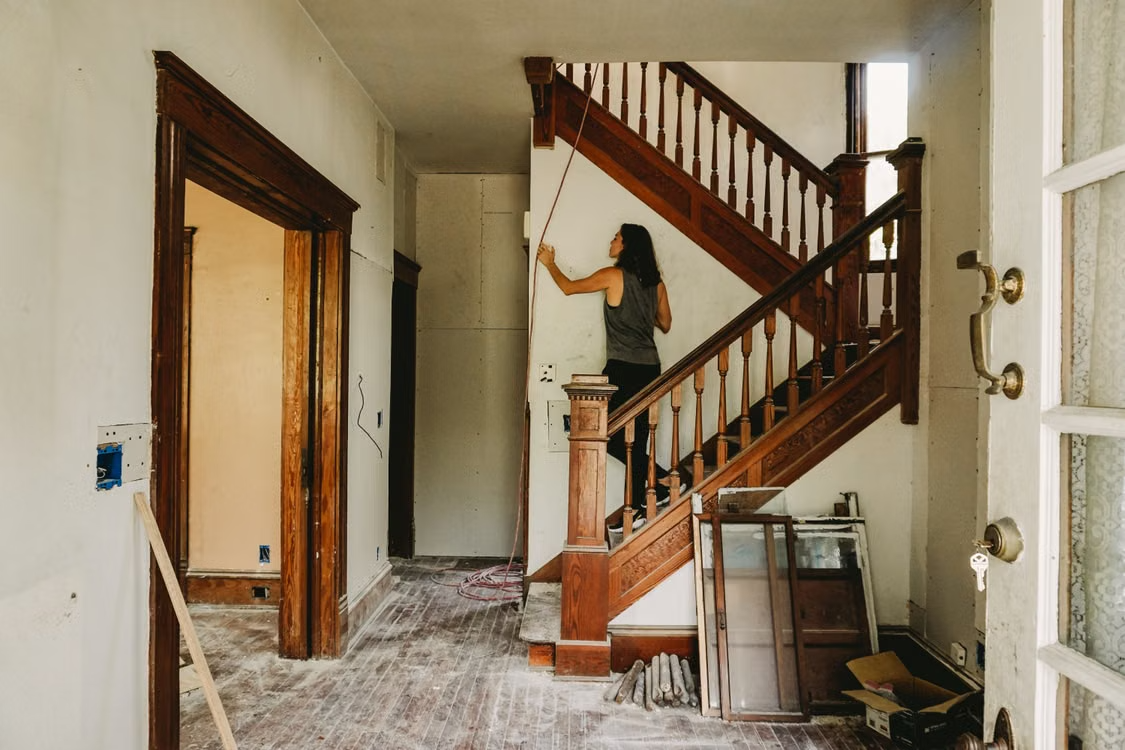
Older homes often have unique architectural details and familiar surroundings that make them special. However, as properties age, outdated interiors, worn fixtures, and inefficient layouts can affect their appearance and functionality. Even a well-maintained house may eventually require improvements to meet changing household needs.
In Southwest Florida, high humidity, intense sunlight, and exposure to seasonal hurricanes can place additional demands on residential properties. These conditions make it particularly important for homeowners to maintain aging features and address deterioration before it affects the property’s condition. Renovating an older home provides an opportunity to address these concerns while preserving its original character.
Improve the Overall Condition of Your Home
Over time, residential properties experience natural wear and tear. Aging surfaces, damaged fixtures, deteriorating finishes, and outdated installations can gradually affect the condition of a house.
Renovation projects allow homeowners to address these problems before they become more serious. Replacing worn components, restoring damaged areas, and updating essential features can help maintain a property’s functionality and appearance.
Some improvements require specialized knowledge, particularly when dealing with extensive remodeling, window replacements, or structural concerns. Working with experienced renovation contractors can help homeowners identify necessary upgrades and ensure that improvements are completed professionally.
If you’re planning to renovate an older home, Clear Choice USA of SW FL provides residential and commercial remodeling services. These services cover interior remodeling, bathroom renovations, window and door replacements, and storm damage restoration. Impact-resistant window installations and energy-efficient upgrades are also available to enhance durability and exterior protection.
Addressing existing problems through professional renovations can help older properties remain functional and well-maintained for years to come.
Create a More Comfortable Living Environment
Comfort is one of the main reasons homeowners consider renovating older properties. Outdated room arrangements, aging fixtures, and poorly functioning features can make everyday activities less convenient.
Renovations provide opportunities to improve these conditions by updating frequently used areas and introducing features that better support daily routines. A refreshed living room, modern bathroom, or improved kitchen can make the entire property feel more welcoming.
Comfort also depends on how effectively different areas serve household members. Better lighting, improved ventilation, and practical room arrangements can contribute to a more pleasant indoor environment.
Rather than focusing exclusively on appearance, homeowners can prioritize improvements that make their living spaces easier and more enjoyable to use.
Give Outdated Interiors a Modern Appearance
Interior design preferences change over time, and features that once appeared fashionable may eventually look outdated. Older homes sometimes contain worn flooring, aging cabinetry, heavy decorative finishes, or fixtures that no longer complement contemporary lifestyles.
Renovating these areas can create a fresher appearance without completely changing the property’s original character. Updated wall finishes, contemporary flooring, and coordinated interior details can make rooms feel brighter and more inviting.
Modern design also emphasizes simplicity and visual consistency. Selecting complementary colors, finishes, and fixtures can help different rooms feel connected.
Homeowners do not necessarily need to eliminate every traditional feature. Combining original architectural details with carefully selected modern improvements can create an attractive balance between classic charm and contemporary style.
Improve Energy Efficiency Through Modern Upgrades
Older properties may contain windows, doors, and other components that do not perform as efficiently as modern alternatives. Aging seals, deteriorating frames, and inefficient glazing can allow unwanted heat transfer and affect indoor temperature regulation.
Renovations provide an opportunity to replace these features with more efficient alternatives. Modern windows with suitable glazing and properly installed exterior doors can help reduce drafts and support better indoor temperature control.
Energy efficiency also involves lighting, insulation, and ventilation. Updating outdated lighting fixtures and addressing insulation deficiencies can contribute to improved household energy performance.
The effectiveness of these improvements depends on the property’s existing condition, product specifications, and installation quality. Professional assessments can help identify which upgrades are appropriate for a particular home.
Strengthen Exterior Protection and Durability
A home’s exterior plays an important role in protecting its interior from environmental conditions. As buildings age, deteriorating windows, damaged doors, and weakened exterior components can become increasingly vulnerable.
Renovating these features can help improve structural protection and maintain the property’s condition. Replacing damaged installations and addressing areas affected by moisture or wind exposure may also prevent further deterioration.
In regions such as Southwest Florida, where hurricanes and strong winds can affect residential properties, exterior protection deserves particular attention. Properly rated impact-resistant windows and doors can provide additional protection against windborne debris when installed according to applicable requirements.
Professional inspections can also identify damage that may not be immediately visible. Addressing these concerns through appropriate repairs and replacements helps maintain a safer and more resilient living environment.
Adapt Your Home to Changing Household Needs
A house that worked well several years ago may no longer suit its occupants’ current lifestyles. Growing families, changing work arrangements, and evolving accessibility needs can influence how different rooms are used.
Renovations allow homeowners to adapt existing spaces rather than immediately considering relocation. An unused room might become a home office, while a crowded living area could benefit from a more practical arrangement.
Additional storage, improved accessibility, and updated layouts can also support changing household requirements. These improvements make it easier to use available space effectively.
Planning renovations around present and future needs can help homeowners create a property that remains practical as their circumstances change.
Create a More Functional and Well-Maintained Home
Renovating an older home can offer benefits beyond immediate visual improvements. Well-maintained interiors, functional bathrooms, updated exterior features, and efficient installations may contribute to a property’s long-term appeal.
Potential buyers often consider the condition and functionality of important household features. Homes with visible maintenance problems or outdated essential installations may require additional work before they meet buyers’ expectations.
However, renovation does not guarantee a particular increase in property value. The outcome depends on factors such as local market conditions, renovation quality, and the types of improvements completed.
For homeowners who intend to remain in their properties, the benefits can be equally meaningful. Improved functionality, greater comfort, and reduced maintenance concerns can make everyday living more enjoyable.
Ultimately, renovating an older home is about preserving what makes the property valuable while addressing features that no longer meet modern expectations. With thoughtful planning and professional workmanship, an aging house can become a more attractive, comfortable, and functional place to live.
