

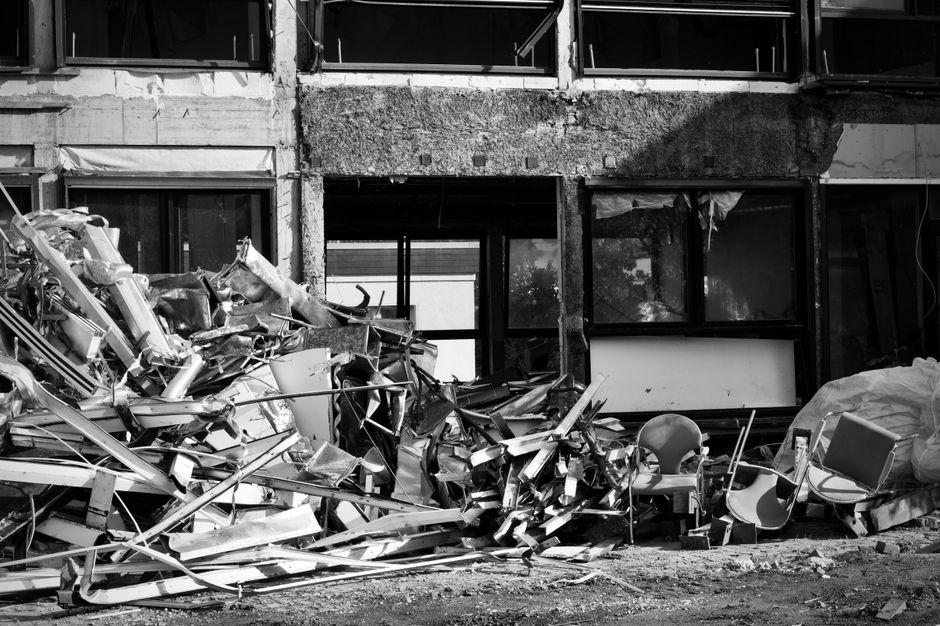
When you plan a home upgrade, you probably think about paint colors, tile, permits, and budget first. What often gets ignored is the pileup of broken cabinets, drywall scraps, old furniture, and packaging that appears almost immediately. That material can slow down every phase of your project. If you want smoother scheduling, safer work areas, and fewer expensive delays, junk removal deserves a place in your planning from day one.
Renovation debris affects more than just appearance
A messy project site doesn’t just look chaotic. It changes how your renovation functions. Once debris starts collecting in hallways, driveways, garages, or spare rooms, your usable space shrinks fast. Contractors lose room to stage tools and materials, and you lose access to parts of your home that still need to stay livable.
There’s also a safety issue. Loose nails, broken tile, splintered wood, and torn carpet padding create trip hazards that increase risk for everyone walking through the space. Dust-covered clutter can also make it harder to notice water leaks, wiring issues, or damaged subfloor.
If you’ve ever had to move the same pile three different times just to keep work going, you already know debris has a way of becoming a hidden labor cost. Cleanouts aren’t glamorous, but they shape the pace of the job.
Scheduling removal at the right phase keeps work moving
The best cleanup strategy usually isn’t waiting until the end. Debris removal works better when it’s tied to project milestones. After demolition, you need enough space for framing, electrical, plumbing, and deliveries. After installation, you need packaging and offcuts gone before finishing work starts.
Think of junk removal like site logistics, not a final chore. If flooring installers arrive and the old materials are still leaning against the wall, your timeline can slip. If a painter has to work around leftover cabinetry or boxes of discarded fixtures, prep quality often suffers.
Many homeowners now build cleanup checkpoints directly into their renovation calendar. In practice, that can mean one pickup after demo, another after major installation, and a final haul before walkthrough. Services such as HaulAway Pro fit into that kind of staged cleanup model because the goal isn’t only disposal. It’s keeping the project operational.
Demolition creates waste streams you need to plan for
A lot of homeowners underestimate how much material comes out of even a modest remodel. A bathroom demo can generate old vanities, mirrors, drywall, tile, fixtures, and plumbing scraps in a single day. A kitchen project can fill an entire garage before new cabinets even arrive.
Not all debris belongs in the same disposal stream. Some items can go to municipal bulk pickup, some need landfill disposal, and others may be recyclable depending on local regulations. Paint, solvents, treated wood, electronics, and appliances often come with handling rules that catch people off guard.
This is where planning beats improvising. If you know your demolition scope in advance, you can line up disposal around the actual waste profile of the job. That avoids the common mistake of stacking everything together and dealing with sorting later, when the mess feels much bigger.
Different home projects call for different removal strategies
Not every home improvement job creates the same disposal problem. A landscaping overhaul may involve fencing, pavers, soil bags, branches, and a worn-out shed. An attic conversion may produce insulation waste, old storage bins, and damaged lumber. A garage refresh usually turns into a purge of forgotten equipment, shelving, paint cans, and bulky household overflow.
The disposal method should match the material mix, access conditions, and timing of the project. Tight urban properties may not have room for a dumpster. Condo renovations may have HOA restrictions, elevator rules, or narrow loading access. In occupied homes, quick removal matters more because debris affects your day-to-day routine immediately.
That practical difference gets missed in generic cleanup advice. The real question isn’t just how much junk you have. It’s where it’s located, how fast it needs to go, and whether your site can handle temporary storage without disrupting the work.
Cost control often starts with reducing repeat handling
People usually think junk removal is an added expense. In many cases, it can prevent other costs from piling up. When debris sits too long, crews spend time shifting it, covering it, or working around it. That repeated handling eats into labor hours you’re already paying for.
There’s also the risk of damage. Old fixtures left in walkways can scrape fresh paint. Sharp debris can tear protective floor covering. Moisture-sensitive waste, especially after exterior work or plumbing issues, can create odor and mold problems if it stays on site.
A cleaner site also helps you make better decisions about what stays. During renovations, homeowners often hold onto damaged furniture, outdated appliances, or extra materials “just in case.” Once space clears, it becomes easier to assess what still has function and what’s only creating drag on the project and your storage capacity.
The smartest homeowners separate salvage from disposal early
Not everything removed during a remodel belongs in the trash. Some items have reuse, resale, or donation value if you identify them before demolition gets rough. Solid wood doors, usable cabinets, light fixtures, hardware, mirrors, and certain appliances can sometimes be diverted instead of dumped.
That said, salvage only works when it’s intentional. Once materials get mixed with broken drywall, dust, and fasteners, their condition drops fast. If you want to preserve anything, pull it out early and store it in a protected zone. Labeling helps more than most people expect, especially when several trades are moving through the house.
The same logic applies to leftover new materials. Unused tile boxes, unopened trim, and surplus hardware can easily disappear into clutter during a long project. A disciplined removal plan isn’t only about getting rid of things. It also protects the items worth keeping, returning, or reusing.
A finished space feels complete when the waste is gone
A renovation rarely feels done on the day the last fixture is installed. It feels done when the debris, packaging, dust-heavy leftovers, and old materials are finally out of your way. That’s the moment your new space becomes usable instead of still feeling like an active work zone.
For homeowners, that shift matters psychologically as much as practically. You can measure the room, organize it, clean it properly, and actually enjoy the upgrade. You’re no longer stepping around remnants of the old layout while trying to appreciate the new one.
If you’re planning a home improvement project this year, build debris removal into your budget, schedule, and decision-making from the beginning. Treat it as part of the construction workflow rather than an afterthought. You’ll protect your timeline, reduce friction with contractors, and make the entire project feel far more controlled from start to finish.
