
A humidifier can make your home more comfortable by adding moisture to the air. It can help reduce dry skin, soothe irritated sinuses, and make breathing feel easier during dry weather or when indoor heating removes moisture from the air. However, a humidifier only works well when it is kept clean.
Learning how to clean a humidifier is one of the most important parts of owning one. Without regular cleaning, moisture inside the unit can encourage the growth of mold, bacteria, and mineral deposits. These contaminants may affect the performance of the humidifier and reduce the quality of the mist it produces.
This guide explains why regular cleaning is important, how often you should clean your humidifier, the supplies you’ll need, and the proper step-by-step cleaning process. You’ll also learn how to care for different types of humidifiers and keep your unit working efficiently for years to come.
Why Cleaning Your Humidifier Matters?
A humidifier constantly holds water, creating an environment where microorganisms can grow if the unit is not cleaned regularly. Over time, minerals from tap water can also build up inside the tank and internal components.
A dirty humidifier may produce less mist, become noisier during operation, or develop unpleasant odors. Mineral deposits can clog parts of the machine, making it work harder and reducing its efficiency.
More importantly, mold, bacteria, and other microbes may multiply inside a neglected humidifier. When contaminated mist is released into the air, it can reduce indoor air quality. Keeping your humidifier clean helps minimize these risks and allows it to operate safely.
Regular maintenance also extends the life of the appliance. Clean parts experience less wear, filters last longer when properly maintained, and the humidifier continues performing as intended.
How Often You Should Clean a Humidifier?
The ideal cleaning schedule depends on how often you use your humidifier, but consistent maintenance is always the best approach.
Daily maintenance includes emptying any remaining water, rinsing the tank, and allowing it to dry before refilling. Fresh water helps reduce the chance of bacterial growth.
A deeper cleaning should generally be performed once a week if the humidifier is used regularly. Weekly cleaning removes mineral deposits and disinfects internal surfaces before buildup becomes difficult to remove.
Before storing the humidifier at the end of a season, clean and dry every removable part thoroughly. Storing a damp humidifier may encourage mold growth while it is not in use.
You should also clean your humidifier sooner if you notice cloudy water, white mineral residue, unpleasant odors, visible mold, reduced mist output, or slime inside the tank.
What You’ll Need Before You Start?
Cleaning a humidifier does not require expensive products. Most of the supplies are already available in many households.
Basic cleaning supplies include a soft cloth, a non-abrasive sponge, a soft brush or old toothbrush, clean water, and a dry towel.
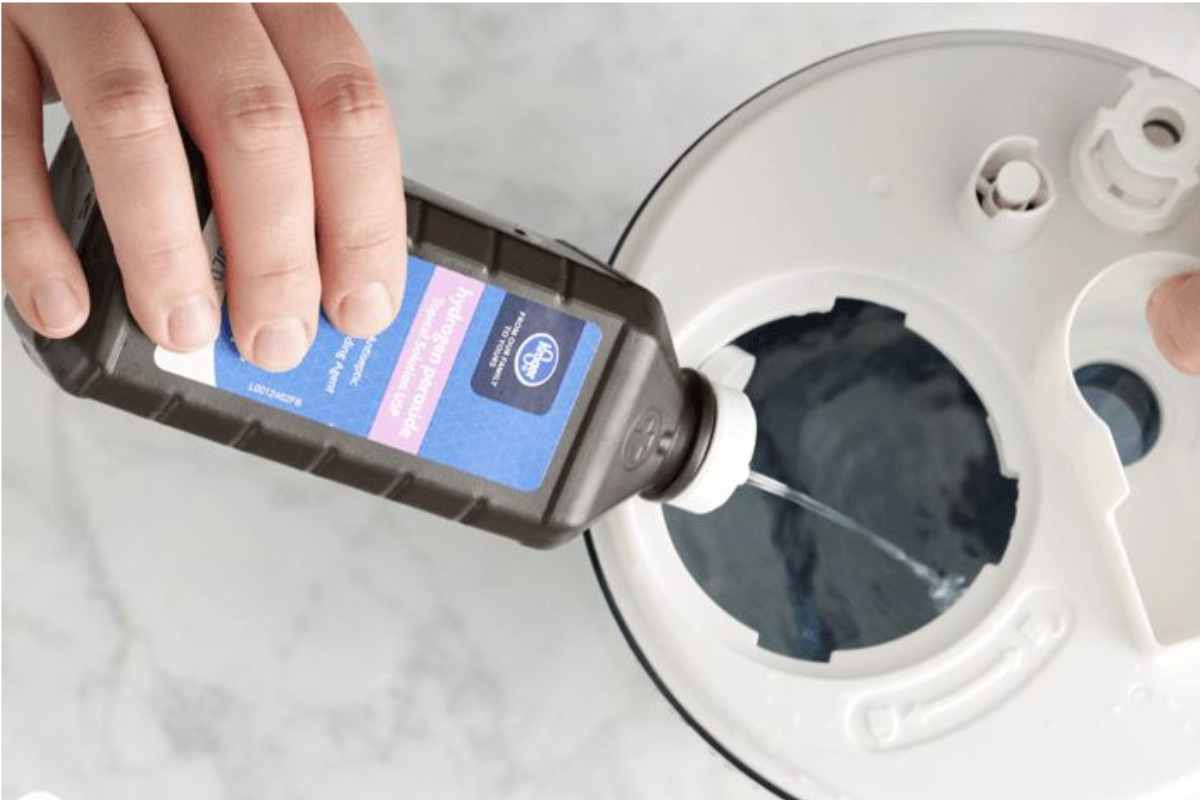
For cleaning solutions, distilled white vinegar is commonly used to loosen mineral deposits. Hydrogen peroxide can also be used for disinfecting certain humidifiers when appropriate. Always check your manufacturer’s instructions before using any cleaning solution, as recommendations can vary by model.
Avoid using abrasive scrubbers, harsh chemicals, or scented cleaning products that may damage the humidifier or leave behind unwanted residue. Unless the manufacturer specifically recommends it, avoid mixing different cleaning chemicals together.
How to Clean a Humidifier Step by Step?
Before cleaning, unplug the humidifier from the electrical outlet and carefully disassemble any removable parts according to the manufacturer’s instructions.
Empty all remaining water from the tank and base. Never leave standing water inside the unit between cleaning sessions.
Wash the water tank using warm water and your chosen cleaning solution. If mineral buildup is present, allow the solution to sit for several minutes before gently scrubbing the inside of the tank with a soft brush.
Next, clean the base and any accessible internal parts where water collects. Take care around electrical components and never immerse electrical sections in water unless the manufacturer states they are washable.
If you notice white mineral deposits, soak the affected areas with distilled white vinegar until the buildup softens. Gently remove any remaining residue using a soft cloth or brush. Avoid using metal tools that could scratch plastic surfaces.
After cleaning away visible deposits, disinfect the humidifier according to the manufacturer’s care instructions. Hydrogen peroxide is commonly recommended for some models, while others may have different cleaning guidelines. Always follow the instructions provided with your specific humidifier.
Rinse every washable part thoroughly with clean water to remove any remaining cleaning solution. This helps prevent unwanted odors or residue during future use.
Allow all components to air dry completely before putting the humidifier back together. Moisture trapped inside the unit can encourage new mold growth.
Once every part is dry, reassemble the humidifier and refill it with fresh water before use.
Cleaning Different Types of Humidifiers
Although the basic cleaning process is similar, different humidifier designs may require slight adjustments.
Cool mist humidifiers often contain multiple removable parts that should be cleaned individually. Mineral deposits are especially common when tap water is used regularly.
Warm mist humidifiers heat water during operation. Mineral buildup may still occur inside the heating chamber, making regular descaling important.
Ultrasonic humidifiers use high-frequency vibrations to produce mist. Because they can release fine mineral particles into the air when hard water is used, keeping both the tank and internal surfaces clean is especially important.
Evaporative humidifiers usually contain a wick filter that may require regular replacement instead of cleaning. Follow the manufacturer’s recommendations regarding filter care and replacement intervals.
Removing Mold, Bacteria, and Mineral Buildup
Because humidifiers constantly hold water, mold can develop when moisture remains inside the unit for extended periods. Warm indoor temperatures can accelerate this process if cleaning is neglected.
White mineral residue is another common issue, especially in areas with hard water. These deposits are formed when dissolved minerals remain behind after water evaporates. Regular cleaning helps prevent heavy buildup that becomes more difficult to remove later.
Preventing bacteria from returning is often easier than removing it after it develops. Using fresh water daily, drying the tank regularly, and following a consistent cleaning schedule significantly reduce the likelihood of contamination.
Common Cleaning Mistakes to Avoid
One common mistake is using cleaning products that are too harsh for the humidifier’s materials. Strong chemicals or abrasive tools may damage plastic parts and shorten the appliance’s lifespan.
Another mistake is waiting until visible mold appears before cleaning. By that point, contamination may already be widespread inside the unit.
Reassembling the humidifier while parts are still wet can also encourage mold growth. Allowing every component to dry thoroughly before storage or reuse helps prevent this problem.
Finally, always read the manufacturer’s instructions. Different models may have unique cleaning recommendations or specific parts that require special care.
Tips to Keep Your Humidifier Clean Longer
Simple habits can make routine maintenance much easier.
Using distilled water whenever possible helps reduce mineral deposits inside the humidifier. Emptying the water tank after each use prevents stagnant water from sitting inside the appliance for long periods.
If your humidifier uses a filter, replace it according to the manufacturer’s schedule rather than waiting until it becomes heavily worn.
When the humidifier will not be used for an extended period, clean every removable part thoroughly and allow everything to dry completely before storing it in a clean, dry location.
Conclusion
Knowing how to clean a humidifier is an essential part of keeping your home comfortable and your appliance working properly. Regular cleaning removes mineral deposits, helps prevent mold and bacteria, and allows the humidifier to produce clean mist more efficiently.
A simple routine of daily care, weekly deep cleaning, and proper seasonal storage can extend the life of your humidifier while improving its overall performance. Following the manufacturer’s care instructions and using appropriate cleaning methods will help keep your unit in excellent condition.
With consistent maintenance, your humidifier can continue providing comfortable indoor humidity while supporting a cleaner and healthier home environment.
FAQs
Can you clean a humidifier with vinegar?
Yes. Distilled white vinegar is commonly used to loosen and remove mineral deposits from many humidifiers. Always check your manufacturer’s instructions to confirm that vinegar is suitable for your model.
Is hydrogen peroxide safe for cleaning a humidifier?
Hydrogen peroxide is commonly recommended for disinfecting certain humidifiers. Follow the manufacturer’s instructions regarding the correct concentration and cleaning procedure for your specific unit.
Can bleach be used to disinfect a humidifier?
Some manufacturers provide instructions for using a diluted bleach solution, while others advise against it. Always follow the cleaning recommendations provided with your humidifier and never mix bleach with other cleaning products.
How do you know when a humidifier needs cleaning?
Visible mineral deposits, unpleasant odors, slime, mold, cloudy water, or reduced mist output are all signs that your humidifier should be cleaned immediately.
What happens if you don’t clean your humidifier?
Neglecting regular cleaning can allow mold, bacteria, and mineral deposits to accumulate. This may reduce the humidifier’s performance, shorten its lifespan, and affect the quality of the mist it releases.
How long should you let a humidifier dry before using it again?
Allow every washable component to dry completely before reassembling the humidifier. Drying time varies depending on room conditions, but ensuring all parts are fully dry helps prevent moisture-related mold growth.
