
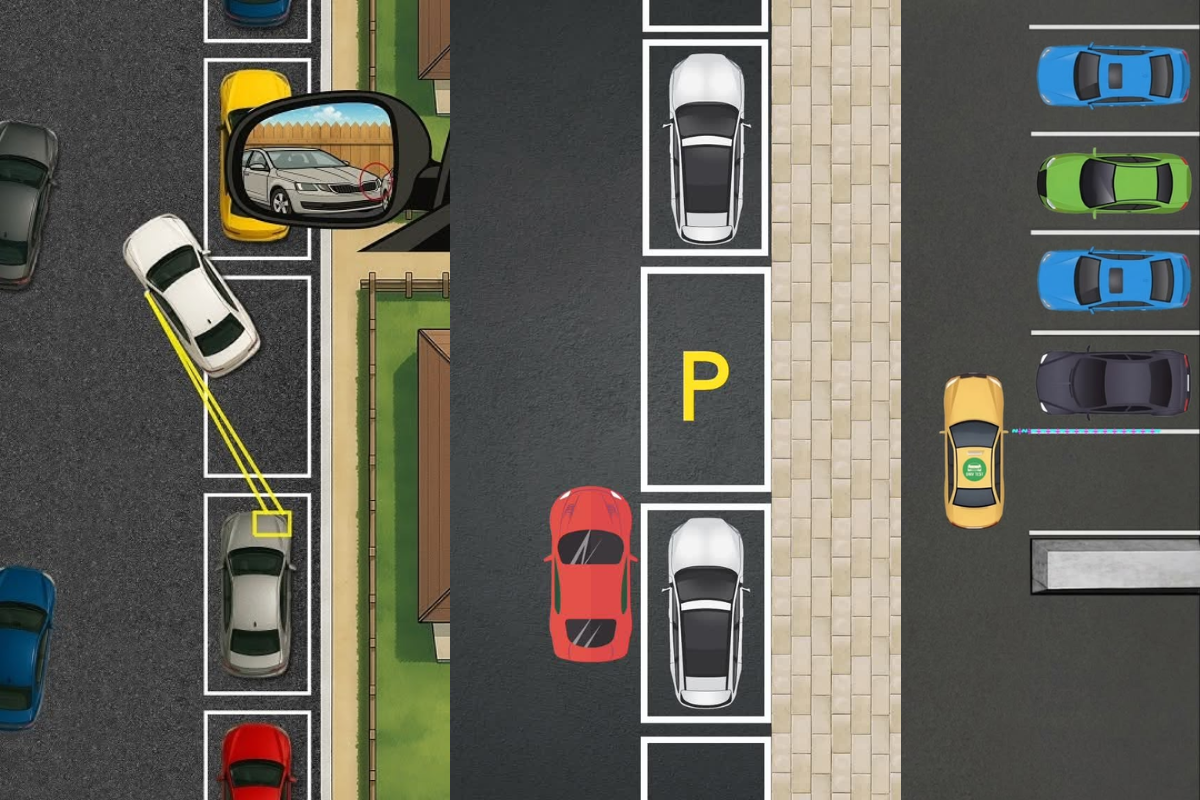
Parallel parking is one of the most important driving skills that every driver should learn. For many beginners, the idea of fitting a car into a small space between two parked vehicles can feel challenging at first. However, with the right technique, practice, and understanding of vehicle positioning, how to parallel park becomes much easier.
Parallel parking is not only useful for passing a driving test; it is also a practical skill that helps drivers park safely in busy streets, crowded areas, and places where regular parking spaces are limited. Learning the correct steps can improve your confidence and make everyday driving more comfortable.
This guide is designed for new drivers, learners preparing for a driving test, and anyone who wants to improve their parking skills. In this article, you will learn what parallel parking is, what to do before starting, the exact steps for a successful maneuver, common mistakes to avoid, and helpful tips to make the process easier.
What Is Parallel Parking?
Parallel parking is a method of parking your vehicle alongside the edge of a road between two other parked cars. Instead of driving directly into a parking space, you move your vehicle into the space by reversing at an angle and carefully adjusting your position.
The goal of parallel parking is to place your car safely within the space while keeping a reasonable distance from the curb and other vehicles. It requires control of your steering, speed, mirrors, and awareness of your surroundings.
When You Need to Parallel Park?
You usually need to parallel park in areas where parking spaces are located along the side of a road. This is common in busy city streets, residential areas, shopping districts, and places where parking space is limited.
Unlike parking lots with marked spaces, street parking often requires drivers to fit their vehicles into available gaps. Knowing how to parallel park allows you to take advantage of these spaces without depending only on large parking areas.
Why It Is an Important Driving Skill?
Parallel parking is an important driving skill because it improves your overall vehicle control and awareness. It teaches you how to judge distances, use mirrors correctly, and move your car safely in tight spaces.
Many driving tests include parallel parking because it shows whether a driver can control their vehicle carefully. Even after passing a test, this skill remains useful throughout your driving life.
What You Should Do Before You Start Parallel Parking?
Before you begin parallel parking, preparation is just as important as the parking steps themselves. Taking a few moments to check your surroundings can help you complete the maneuver safely.
Check the Available Parking Space
First, make sure the parking space is large enough for your vehicle. A space that is too small can make the process difficult and increase the risk of hitting another car or the curb.
Look at the length of the space and consider whether you have enough room to reverse and adjust your vehicle comfortably.
Observe Traffic and Surroundings
Before moving into the parking space, check the road around you. Look for approaching vehicles, cyclists, pedestrians, and any obstacles that could affect your parking.
Use your mirrors and check your blind spots before beginning. Safety should always come before completing the parking maneuver quickly.
Adjust Your Mirrors
Properly adjusted mirrors give you a better view of your surroundings. Your side mirrors should help you see nearby vehicles, the curb, and areas beside your car.
Correct mirror positioning reduces blind spots and makes it easier to judge your vehicle’s position while reversing.
Use Your Turn Signal
Always use your turn signal before starting to parallel park. This informs other drivers that you intend to move into the parking space.
A signal also gives drivers behind you time to slow down or wait while you complete the maneuver.
Position Your Vehicle Correctly
Move your vehicle next to the car parked in front of the empty space. Keep a safe distance between the two vehicles and align your car properly before reversing.
Starting from the correct position makes the following steps much easier and reduces the need for large corrections.
How to Parallel Park Step by Step?
Learning how to parallel park becomes simpler when you break the process into clear steps. Each movement should be slow and controlled.
Step 1: Align Your Car With the Vehicle in Front
Begin by pulling alongside the vehicle in front of the parking space. Your car should be positioned parallel to that vehicle with enough space between both cars.
Your rear wheels should be roughly aligned with the rear area of the other vehicle. This starting position helps create the correct angle for reversing.
Step 2: Begin Reversing at the Correct Angle
Once you are positioned correctly, slowly begin reversing while turning the steering wheel toward the parking space.
Move slowly and keep checking your mirrors. Reversing too quickly can make it harder to control your vehicle and correct mistakes.
Step 3: Turn the Steering Wheel at the Right Moment
As your vehicle moves into the space, adjust your steering wheel to guide the car between the parked vehicles.
The timing of your steering movement is important. Turning too early or too late can cause your car to sit at the wrong angle or move too close to another vehicle.
Step 4: Straighten the Vehicle Inside the Parking Space
When your vehicle is mostly inside the parking space, straighten your wheels and continue adjusting your position.
Your goal is to make your car parallel with the curb while leaving enough room between the vehicles in front and behind you.
Step 5: Adjust Your Position and Distance From the Curb
After your vehicle is straight, make small adjustments if necessary. Move slightly forward or backward until your car is properly positioned.
Take your time during this step. A few small corrections are better than making sudden movements.
How Close Should You Park to the Curb?
Recommended Distance From the Curb
The ideal distance from the curb depends on local parking rules, but drivers should generally park close enough to avoid blocking traffic while leaving enough space to prevent the tires from touching the curb.
A properly parked vehicle should look straight and remain safely positioned within the parking area.
Why Proper Positioning Matters?
Correct positioning improves safety and makes it easier for other vehicles to pass. Parking too far away from the curb can create a hazard, while parking too close may damage your tires or wheels.
A balanced position shows good vehicle control and proper parking technique.
How to Correct Your Position If Needed?
If you notice that your vehicle is too far from the curb or not properly aligned, do not panic. Carefully adjust by moving slowly and using your mirrors.
Small corrections are normal, especially for beginners learning how to parallel park.
Common Parallel Parking Mistakes and How to Avoid Them
Turning Too Early or Too Late
One of the most common mistakes is turning the steering wheel at the wrong time. Turning too early can cause your front end to move too close to another vehicle, while turning too late may prevent your car from entering the space correctly.
Practice helps you understand the right timing.
Parking Too Far From the Curb
Many beginners stop too far away from the curb because they are afraid of getting too close. While safety is important, leaving too much space can create problems.
Use your mirrors and make small adjustments until your vehicle is positioned correctly.
Hitting the Curb
Touching or hitting the curb usually happens because the driver is moving too quickly or turning at the wrong moment.
Slow movements and careful observation make it easier to avoid this mistake.
Not Checking Mirrors and Blind Spots
Failing to check mirrors and blind spots can create dangerous situations. Always know what is happening around your vehicle before and during parking.
Good awareness is a key part of safe driving.
Misjudging the Available Space
Some drivers attempt to park in spaces that are too small. Before starting, judge whether your vehicle can comfortably fit.
Choosing a suitable space makes parallel parking much easier.
Practical Tips to Make Parallel Parking Easier
Use Reference Points Consistently
Many drivers use visual reference points, such as the position of another vehicle or the curb in their mirrors, to know when to turn.
Using the same reference points during practice can help you develop a reliable technique.
Control Your Speed While Reversing
Slow speed gives you more time to react and make adjustments. Parallel parking should always be done carefully rather than quickly.
Smooth control is more important than speed.
Practice Steering Smoothly
Avoid making sudden steering movements. Gentle and controlled steering makes it easier to position your vehicle accurately.
Stay Calm and Avoid Rushing
Nervousness can make parking more difficult. Take your time, follow the steps, and remember that improvement comes through practice.
How to Practice Parallel Parking Effectively?
Best Places to Practice
The best place to practice is a quiet area with enough space and little traffic. Empty streets, parking areas, or open spaces can help beginners learn without pressure.
Practice regularly until the movements feel natural.
Using Cones Before Practicing Between Vehicles
Beginners can use cones or markers to create a practice parking space before trying between real vehicles.
This allows you to learn the correct movements without worrying about damaging another car.
Building Confidence Through Repetition
Like any driving skill, parallel parking improves with repetition. The more you practice, the better you understand your vehicle’s size and movement.
Confidence comes from experience.
Parallel Parking During a Driving Test
What Examiners Usually Look For?
During a driving test, examiners usually focus on safety, control, awareness, and your ability to complete the maneuver correctly.
They want to see that you can park without creating danger for yourself or others.
Mistakes That May Cost Points
Common mistakes during a driving test include hitting the curb, failing to check surroundings, moving unsafely, or losing control of the vehicle.
Practicing beforehand can help reduce these errors.
How to Stay Calm During the Test?
Stay focused and remember the steps you practiced. Take your time and avoid rushing because nervous movements often lead to mistakes.
A calm approach helps you demonstrate your true driving ability.
How to Leave a Parallel Parking Space Safely?
Check Mirrors and Blind Spots
Before leaving a parallel parking space, check your mirrors and blind spots carefully. Make sure there are no vehicles, cyclists, or pedestrians nearby.
Signal Before Moving
Use your turn signal to show other road users that you are leaving the parking space.
Clear communication helps prevent confusion and improves safety.
Exit the Parking Space Smoothly
Move out slowly and carefully. Avoid turning too sharply or entering traffic without enough space.
A safe exit is just as important as parking correctly.
Conclusion
Learning how to parallel park is an important part of becoming a confident and responsible driver. Although it may seem difficult at first, understanding the correct steps makes the process much easier.
Remember to prepare before parking, move slowly, check your surroundings, and make small adjustments when needed. With regular practice, parallel parking can become a simple and natural part of your driving skills.
Safe driving comes from patience, awareness, and experience. Keep practicing, and you will become more comfortable with parallel parking over time.
FAQs
How Much Space Do You Need to Parallel Park?
The amount of space needed depends on your vehicle size and your skill level. Beginners usually need a larger space, while experienced drivers can park in tighter areas with practice.
Can Beginners Learn Parallel Parking Quickly?
Yes, beginners can learn parallel parking with proper instruction and regular practice. The key is understanding the steps and developing confidence through repetition.
What Should You Do If Your First Attempt Doesn’t Work?
If your first attempt is unsuccessful, stay calm and adjust your position. Many experienced drivers need more than one attempt in difficult parking situations.
Is Parallel Parking Easier With a Backup Camera?
A backup camera can make it easier to see behind your vehicle, but it should not replace using mirrors and checking your surroundings. Good parking skills should rely on awareness and control.
