


The safest places to travel are not found on one fixed list. They are the places that consistently appear in reputable safety assessments, suit the way you like to travel, and still look calm when you check the current official advice for your exact dates. Iceland, Ireland, New Zealand, Switzerland, and Portugal are a good starting point, but no ranking can replace a fresh check of travel advisories and local conditions. This guide explains how to read those rankings honestly, which kinds of destinations tend to feel safest, and the simple checks that protect any trip.
Key Takeaways
- Use reputable assessments as a starting point, not as a guarantee, and always check current advisories before you book.
- Countries that consistently appear near the top of the Global Peace Index include Iceland, Ireland, New Zealand, Austria, and Switzerland.
- Calm does not mean risk-free: weather, water, remote roads, and crowded tourist areas still need sensible precautions.
- Choose places that match your travel style, keep your plans flexible, and share your itinerary with someone at home.
- Small, everyday habits — daylight arrivals, secure bags, and copies of key documents — do more for safety than worry does.
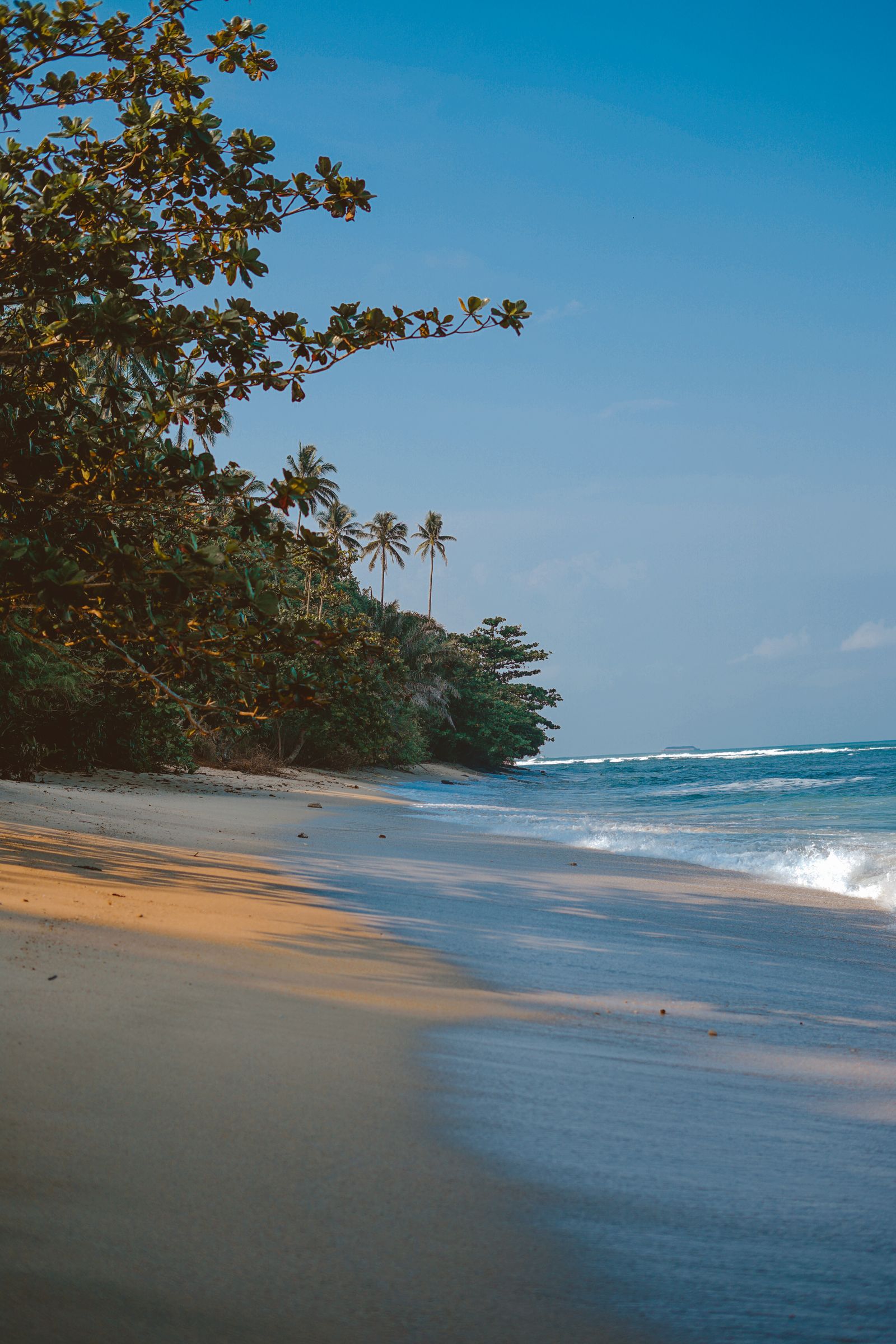
What Safest Really Means For Travelers
When people search for the safest places to travel, they usually mean something simple: a place where they can walk around without constant worry, use public transport with confidence, and deal with a problem quickly if one arises. That feeling comes from several things working together: stable institutions, clear signage, reliable transport, good lighting at night, and a local culture that welcomes visitors. A country can be peaceful in the broad sense and still have busy pickpocketing spots in a capital city.
It also helps to separate three kinds of risk. The first is serious, large-scale risk, such as armed conflict or widespread unrest. The second is everyday crime, such as theft or scams aimed at tourists. The third is practical risk, such as dangerous roads, strong currents, extreme heat, or a long distance from medical help. A destination can score well on the first and still require care on the second and third, which is why this article does not present one definitive ranked list.
How To Use Safety Rankings Without Misreading Them
The best-known broad measure is the Global Peace Index, produced by the Institute for Economics and Peace. It covers 99.7 percent of the world’s population and uses 23 qualitative and quantitative indicators across three areas: societal safety and security, ongoing domestic and international conflict, and militarisation. In its 2025 findings, the top five most peaceful countries were Iceland, Ireland, New Zealand, Austria, and Switzerland. That consistency over time is useful, and a long record near the top tells you something real about stability and social trust.
At the same time, a national ranking is not a street-by-street guide. It does not tell you which beach has a strong undertow, which mountain road is closed after a storm, or which neighbourhood is best avoided after dark. Treat it as a shortlist builder: start with countries that appear again and again, then narrow the choice with current, local information. The Global Peace Index map from the Institute for Economics and Peace shows that big picture, and the U.S. Department of State travel advisories page is the place to check current official advice for a specific country. Its risk categories include crime, terrorism, unrest, health, natural disaster, time-limited events, kidnapping or hostage-taking, and wrongful detention, so read the full country page, not just a headline level.
Check twice: once when you are choosing a destination, and again shortly before you travel and before you pay for anything non-refundable. Advisories and conditions change, and a place that was calm when you first looked may have a new warning or a weather event by departure day. A second check costs a few minutes and can save a whole trip.
Calm Destinations That Consistently Appear In Reputable Assessments
The destinations below are grouped by the kind of calm they offer, rather than forced into a strict one-to-ten order. Every country named here appears in the top ten of the 2025 Global Peace Index findings discussed above, so the selection is grounded in a reputable assessment rather than in one writer’s opinion.
Iceland: Wide Open Space And A Calm Pace
Iceland has topped the Global Peace Index for many years, and visitors often describe a feeling of space and quiet that is hard to find elsewhere: small towns, long daylight hours in summer, and landscapes that encourage slow driving and unhurried walks. The practical risks here are mostly natural. Weather can change fast, wind can be strong, and remote roads demand fuel planning and attention to road-closure information. Plan for those conditions, keep to marked paths, and Iceland rewards careful travellers with one of the calmest trips available.
Ireland And Portugal: Friendly Cities And Slower Coastal Days
Ireland and Portugal suit travellers who want warmth, conversation, and places that are easy to explore on foot. Irish cities and towns are generally welcoming, with compact centres and clear public transport. Portugal adds long coastlines, mild weather for much of the year, and smaller cities and coastal towns where life moves at a slower pace. In both countries, keep valuables out of easy reach in crowded areas, use licensed taxis late at night, and book accommodation in well-lit, well-reviewed areas.
Switzerland And Austria: Orderly Towns And Easy Public Transport
Switzerland and Austria appeal to travellers who like order, punctuality, and infrastructure that just works. Trains run on time, signs are clear, mountain villages are well maintained, and walking routes are usually well marked. That reliability is itself a safety advantage: you are less likely to get lost or stranded. The main cautions are alpine ones, such as mountain weather, altitude, and winter roads, so leave a margin in your schedule and avoid rushing between connections.
New Zealand: Nature First, With Distance Built In
New Zealand offers nature on a grand scale, small and friendly towns, and a pace of life that encourages outdoor days and early nights. Its regular place near the top of the Global Peace Index reflects that stability, but distance is the real planning factor. Towns can be far apart, mobile coverage can be patchy in remote areas, and weather can shift quickly. Plan fuel stops, tell someone your route for longer hikes, and carry layers for changing conditions.
Singapore, Denmark, Slovenia, And Finland: Compact, Walkable, And Well Organized
For travellers who prefer cities, Singapore, Denmark, Slovenia, and Finland are strong, compact choices. Singapore is famously clean, orderly, and easy to navigate, with clear rules that visitors should respect. Danish cities, especially Copenhagen, are built for walking and cycling. Slovenia offers a smaller, greener capital in Ljubljana and easy access to lakes and mountains. Finland adds quiet forests and lakeside towns. In all four, follow local rules and use public transport rather than driving in unfamiliar city traffic.
Safer Choices Closer To Home In The United States
You do not have to fly long-haul to find a calm trip. Within the United States, many travellers feel safest in smaller towns, well-managed national and state parks, and neighbourhoods they know well, where they understand the roads, the weather, and where to get help. Choose well-reviewed accommodation, arrive in daylight when you can, and check local weather and road information before a rural drive. A quiet coastal town or a small mountain community can be just as restorative as an overseas trip, with familiar language, currency, and emergency services.
Smart Safety Checks Before You Book
Before you pay for flights or hotels, run through this short checklist. It takes less time than comparing hotel prices, and it catches most avoidable problems.
- Check the current travel advisory for your exact destination, and read the regional notes inside it, not just the overall level.
- Check official tourism and government pages for entry requirements, local laws, and current disruptions.
- Look up seasonal risks for your dates: storms, extreme heat, wildfire smoke, or winter road closures.
- Confirm what your travel insurance covers, including medical care, trip interruption, hiking, cycling, or water sports.
- Consider enrolling in the U.S. Smart Traveler Enrollment Program, known as STEP, a free service that lets the local U.S. embassy contact you in an emergency.
- Choose flexible bookings where the price difference is reasonable, and share your itinerary with a trusted person at home.
Packing well is part of the same preparation. A good travel packing list helps you keep documents, medication, chargers, and a change of clothes in your carry-on, so a delayed bag never leaves you without essentials. For European trips, it also helps to know practical details in advance, such as how long the flight from New York to London takes, so you can plan arrival times and onward transport without rushing.
On The Ground: Everyday Habits That Keep A Calm Trip Calm
Most travel safety is unglamorous, and that is good news. Arrive in daylight when you can, especially in a place you have never visited. Use a crossbody bag in crowded markets and stations, and keep your phone, wallet, and passport in different places rather than all in one pocket. At night, stick to well-lit streets and use licensed transport rather than accepting unsolicited rides.
Money habits matter too. Carry a small amount of local cash, keep a backup card separate from your main card, and be wary of deals that sound too generous. If something feels off, walk away without embarrassment. Look after your health as well: drink water in hot weather, wear sunscreen, rest when you are tired, and do not let jet lag push you into driving when you can barely stay awake.
When A Calm Place Still Needs Caution
Even the calmest destinations have risks that deserve respect. Water is one of the most underestimated: currents, cold water, and unsupervised beaches cause problems every year in places that are otherwise very safe. Swim only where locals swim, obey flags and signs, and never swim alone in remote spots. Rural roads can also be narrow, unlit, or shared with farm vehicles and wildlife, so use public transport or a local driver if you are unsure.
Remote beauty also means distance from help. Before a hike, check the route and weather forecast, tell your accommodation where you are going, and carry water, a charged phone, and a basic first-aid kit. Crowds deserve a different kind of caution: festivals and famous viewpoints are where pickpockets work most, so keep bags closed and in front of you. Safety is a habit, not a destination label.
Conclusion: Choose Calm, Then Check Current Advice
The safest places to travel are the ones where reputable assessments, current official advice, and your own good judgment all point in the same direction. Start with countries that consistently appear near the top of the Global Peace Index, such as Iceland, Ireland, New Zealand, Austria, and Switzerland, then narrow your choice by checking the current travel advisory, the season, and the practical details of your trip. Choose a place that fits how you like to travel, keep bookings as flexible as you reasonably can, and build in daylight arrivals, secure belongings, and shared itineraries. Travel well, check before you go, and let calm be the plan, not just the hope.
Frequently Asked Questions
What Is The Safest Place To Travel Right Now?
There is no single answer that stays true for every traveller and every date. Countries such as Iceland, Ireland, and New Zealand consistently appear near the top of the Global Peace Index, but the safest choice for you depends on your destination region, your travel style, and the current advisory for that country. Check the current official advice for your exact destination before booking, rather than relying on an old list.
How Often Should I Check Travel Advisories Before A Trip?
Check when you first choose a destination, again before you pay for non-refundable bookings, and once more shortly before departure. Conditions, warnings, and local disruptions can change quickly, so a final check close to travel day is worth the few minutes it takes.
Does A High Peace Ranking Mean A Place Has No Crime?
No. A national peace ranking measures broad stability, conflict, and militarisation, not street-level crime in every neighbourhood. Even peaceful countries have busy tourist areas where theft and scams occur, so normal city precautions still apply everywhere.
Are Small Towns Always Safer Than Big Cities?
Not always. Small towns can feel calmer and easier to navigate, but they may also have fewer transport options, limited medical facilities, and patchy phone coverage. Big cities, by contrast, often have better-lit streets, more transport, and faster access to help. Judge each place on its own facilities and your plans, not on size alone.
What Should I Do If An Advisory Changes After I Book?
Read the full updated advisory first, including which regions it covers and why it changed. Contact your airline, hotel, and insurer to ask about flexible changes or refunds, and consider changing dates or destinations if the advice affects your exact area. Do not ignore a new warning simply because you have already paid; talk to your providers and weigh the options calmly.
