

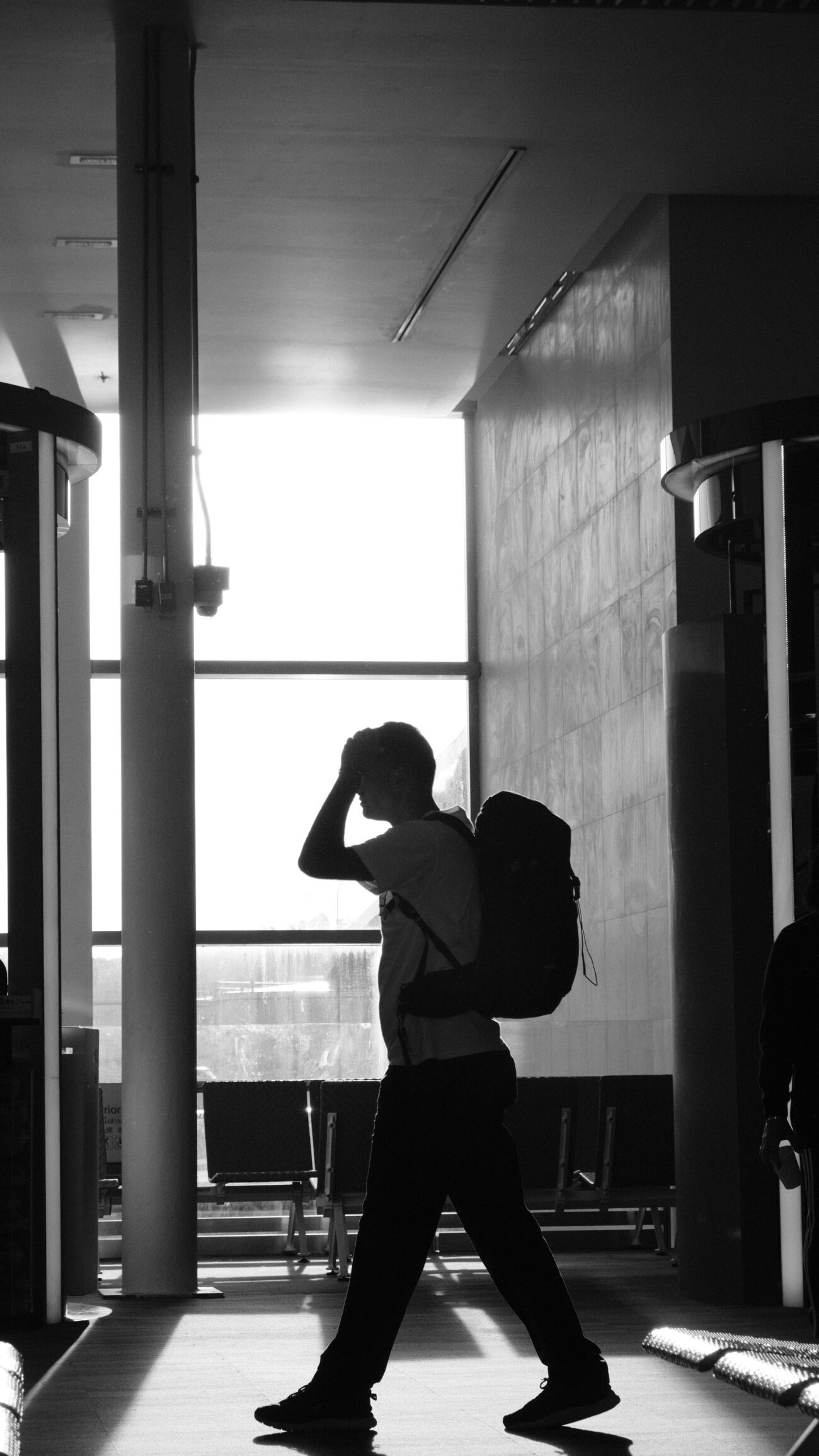
Travel safety tips are not about worrying more. They are about preparing well, paying attention, and knowing what to do when plans change. Most trips go smoothly, and a few simple habits cover most of the risks travellers actually face: lost documents, stolen bags, unsafe transport, health problems, and common scams. This guide explains how to stay safe on every trip, from the research you do at home to the choices you make on the road, so you can enjoy your journey with confidence.
Research Your Destination Before You Leave
The safest trips start before you leave home. A little research tells you which areas to avoid, what the local rules are, and who to contact in an emergency. Spend an hour on this before any trip — longer for a destination you have never visited.
Check Official Travel Advisories
The U.S. Department of State issues a Travel Advisory for every country in the world, using a four-level system: Level 1 means exercise normal precautions, Level 2 means exercise increased caution, Level 3 means reconsider travel, and Level 4 means do not travel. Find the current advisory for your destination on the U.S. Department of State Travel Advisories page, and check it close to your departure date, because levels change. Read the full advisory rather than only the level number — it explains which regions to avoid, what kinds of crime are common, and what precautions are recommended.
Health guidance matters just as much. The CDC Travelers’ Health pages publish travel health notices for destinations around the world, from practicing usual precautions to avoiding all travel, along with recommended vaccines and health advice for each destination. Reading both sources gives you a clear, official picture before you book anything.
Learn Local Laws And Customs
Laws and customs differ from place to place, and something legal at home may be restricted at your destination — rules about alcohol, photography in public places, flying drones, and carrying certain medicines can all vary. Check the local laws section on the State Department destination page before you travel. Learning a few local customs also helps: dress codes at religious sites, tipping habits, and greetings vary widely, and respecting them keeps you out of awkward situations.
It also helps to know how safe a destination generally is. Independent rankings give useful context — Iceland, for example, regularly tops the Global Peace Index published by the Institute for Economics and Peace — but they are only a starting point, not a guarantee.
Protect Your Documents And Money
Losing a passport or a wallet is one of the most common travel problems, and one of the easiest to prepare for. A few minutes at home can turn a lost bag into a short delay.
Keep Copies Separate From Originals
Keep your passport in a safe place, such as the hotel safe, and carry a photocopy or a photo of it on your phone when sightseeing. Do the same for your travel insurance details, hotel bookings, and emergency numbers, and keep a second set of copies separate from the originals — one set in your day bag and one in your main luggage. If your passport is lost or stolen, a copy makes the replacement process at an embassy or consulate much faster. If you are flying from the United States, remember the Transportation Security Administration (TSA) 3-1-1 rule: liquids, gels, and aerosols in carry-on bags must be in containers of 3.4 ounces (100 milliliters) or less, all fitting in one quart-size bag per passenger — so keep essential medicines and documents in your carry-on, not in checked luggage.
Use More Than One Way To Pay
Carry at least two ways to pay, such as two bank cards from different banks or networks, plus a small amount of local currency. Keep them in separate places, so losing one bag or wallet does not leave you with nothing. A money belt or hidden pouch works well for spare cash and a backup card. Avoid flashing large amounts of cash in public, use the hotel safe for valuables you do not need during the day, and tell your bank your travel dates so your card is not blocked. If a card is lost or stolen, freeze it quickly through your banking app.
Stay Safe On The Move
Getting around is when travellers are most exposed — in busy stations, crowded streets, and unfamiliar neighbourhoods. Most problems on the move are crimes of opportunity, so simple awareness prevents most of them.
Use Licensed Transport
Use licensed taxis or well-known ride-hailing apps, and check that the driver, car, and number plate match what the app shows before you get in. Avoid unmarked cars offering rides at airports and stations. Agree on the fare or make sure the meter is running before the journey starts. On public transport, stay alert at busy times, keep your bag where you can see it, and avoid empty carriages or platforms late at night. Wear a seatbelt whenever one is available, and choose reputable companies for longer journeys.
Keep Your Belongings Close
Keep your bag in front of you in crowds and on public transport, and use zipped pockets for your phone, wallet, and passport. A cross-body bag or a backpack worn on your front is harder to open unnoticed than a bag hanging behind you. Do not leave your phone on a cafe table or your bag on the back of a chair, and be wary of distraction tricks — someone asking for directions or spilling something on you while another person reaches for your bag is a classic pattern in tourist areas. The simplest rule is also the best: if you cannot see it, it is not safe.
Look After Your Health While You Travel
Good health is part of travel safety, and most health problems on the road are preventable. Check the CDC destination page a few weeks before you leave, so you have time to get any recommended vaccines or visit a travel clinic. Carry your regular medication in its original packaging in your carry-on bag, with any prescriptions, and bring enough for the whole trip plus a few extra days in case of delays.
Food and water need a little care in some destinations. Where tap water may not be safe to drink, use bottled or treated water, and eat food that is freshly cooked and served hot. Wash your hands often, carry hand sanitizer for when soap and water are not available, and protect yourself from the sun with sunscreen, a hat, and sunglasses. Stay hydrated, especially on long flights and in hot climates, and rest well after arrival — tired travellers make poorer decisions. Our guide to the flight from New York to London includes practical tips for beating jet lag once you land.
Stay Connected And Share Your Plans
Someone at home should know where you are going and when you expect to be back. Share your itinerary, hotel details, and flight times with a family member or friend, and check in regularly, especially if you are travelling alone or changing plans. If something goes wrong, the person who knows your plans can raise the alarm far sooner.
U.S. citizens travelling abroad can also enrol in the Smart Traveler Enrollment Program, known as STEP, a free service run by the U.S. Department of State. Enrolling registers your trip with the nearest U.S. embassy or consulate and sends you safety and security updates for your destination by email. Keep your phone charged, carry a portable charger, and download offline maps before you leave, so a weak signal never leaves you without directions. Arrange a local SIM or a roaming plan in advance if you will need data daily.
Stay Safe At Your Accommodation
Choose accommodation in a well-reviewed area, and read recent reviews rather than only the star rating. When you arrive, check that the door locks properly and use the deadbolt or chain at night. Do not open the door to strangers, and if someone claims to be hotel staff, call reception to confirm before letting them in. Use the room safe for your passport, spare cash, and electronics you are not carrying, and keep your key card separate from anything showing your room number. Learn where the fire exits are when you arrive. If anything about the room feels unsafe — a broken lock, a dark corridor, an unsecured window — ask to change rooms or speak to the manager straight away.
Trust Your Instincts And Avoid Risky Situations
Your instincts are a real safety tool. If a street feels wrong, a person makes you uncomfortable, or an offer sounds too good to be true, leave the situation and do not worry about being polite. Avoid poorly lit or empty streets at night, and stick to busy, well-lit routes on foot. Keep your drink in sight at bars and parties, never accept a drink from a stranger, and drink moderately — alcohol lowers awareness and makes you an easier target. Be sceptical of overly friendly strangers offering help, free tours, or unusually generous deals, and research the common scams at your destination before you arrive. Most scams follow familiar patterns, and knowing them in advance makes them easy to spot.
What To Do If Something Goes Wrong
Even careful travellers run into problems, so know the steps in advance. Stay calm, move to a safe place, and deal with one thing at a time. If you are in danger, contact the local emergency services — learn the local emergency number before you travel, because it is not the same everywhere, and 911 is the number for the United States. If your passport is lost or stolen, report it to the local police and then contact the nearest U.S. embassy or consulate, which can help with an emergency replacement. If your cards are stolen, freeze them through your banking app and call your bank. If you are injured or ill, seek medical care first, then contact your travel insurer, keeping receipts and police reports for your claim. In a serious emergency, your embassy can help you contact family and find local medical care — one more reason to have its number saved in your phone before you leave.
A Simple Travel Safety Checklist Before Every Trip
Use this short checklist before every journey. It takes only a few minutes and covers the steps that matter most.
- Check the State Department travel advisory and the CDC guidance for your destination.
- Share your itinerary and hotel details with someone at home.
- Make copies of your passport, insurance, and bookings, and keep them separate from the originals.
- Pack medication in your carry-on, with enough for the trip plus a few extra days.
- Carry two ways to pay, kept in separate places, plus a small amount of local currency.
- Save the local emergency number and the nearest U.S. embassy number.
- Download offline maps, tickets, and hotel details before you leave.
- Read about common scams at your destination.
- Pack using our Travel Packing List so nothing essential is left behind.
- Check your travel insurance and keep the policy number handy.
Conclusion
Staying safe while travelling is not about fear or restriction. It is about preparation, attention, and a few steady habits: research your destination, protect your documents and money, stay aware on the move, look after your health, and keep someone informed about your plans. Most trips pass without any trouble at all, and the travellers who enjoy them most are usually the ones who prepared quietly and then stopped worrying. Use these travel safety tips as a starting point, adjust them to your destination, and then get out and enjoy the trip.
Frequently Asked Questions
Do I Need Travel Insurance For A Short Trip?
Travel insurance is worth considering even for a short trip, because the risks it covers — medical emergencies abroad, cancelled flights, and lost luggage — do not depend on how long you are away. Check what your existing health insurance covers outside your home country first, since many domestic plans offer little or no cover abroad, and then compare travel policies for medical cover, cancellation terms, and luggage protection. Read the policy carefully so you know what is covered and what is not.
What Should I Do If My Passport Is Lost Or Stolen Abroad?
Report the loss to the local police and get a copy of the police report, then contact the nearest U.S. embassy or consulate. Bring any identification you still have, plus a copy of your passport if you kept one, and a passport photo if you have one. The embassy can issue an emergency passport so you can continue your journey or return home, and it can also help you contact family or your bank if needed.
Is It Safe To Use Public Wi-Fi While Traveling?
Public Wi-Fi in hotels, cafes, and airports is convenient but not private, so avoid logging in to your bank or entering passwords on networks you do not trust. Use your mobile data for sensitive tasks, turn off automatic Wi-Fi connections on your phone, and consider using a virtual private network (VPN) if you have one. Keep your device software updated, and use two-factor authentication on important accounts.
How Can I Stay Safe As A Solo Traveler?
Solo travel is safe for many people when they prepare well. Share your itinerary and check in regularly with someone at home, choose accommodation in busy, well-reviewed areas, and keep your evenings to well-lit, populated places. Meet new people in public settings, keep your accommodation address saved in your phone, and trust your instincts — if a situation feels uncomfortable, leave it. The same habits in this guide apply, with a little extra attention to staying connected.
Sources
- U.S. Department of State — Travel Advisories: https://travel.state.gov/content/travel/en/traveladvisories/traveladvisories.html/
- CDC — Travelers’ Health: https://www.cdc.gov/travel/
- Transportation Security Administration (TSA) — Liquids, Aerosols, and Gels Rule: https://www.tsa.gov/travel/frequently-asked-questions/liquids-aerosols-and-gels-rule
- Institute for Economics and Peace — Global Peace Index: https://www.visionofhumanity.org
- 5E Magazine — Travel Packing List: https://5emagazine.com/travel-packing-list/
- 5E Magazine — How Long Is the Flight from New York to London?: https://5emagazine.com/how-long-is-the-flight-from-new-york-to-london/
