

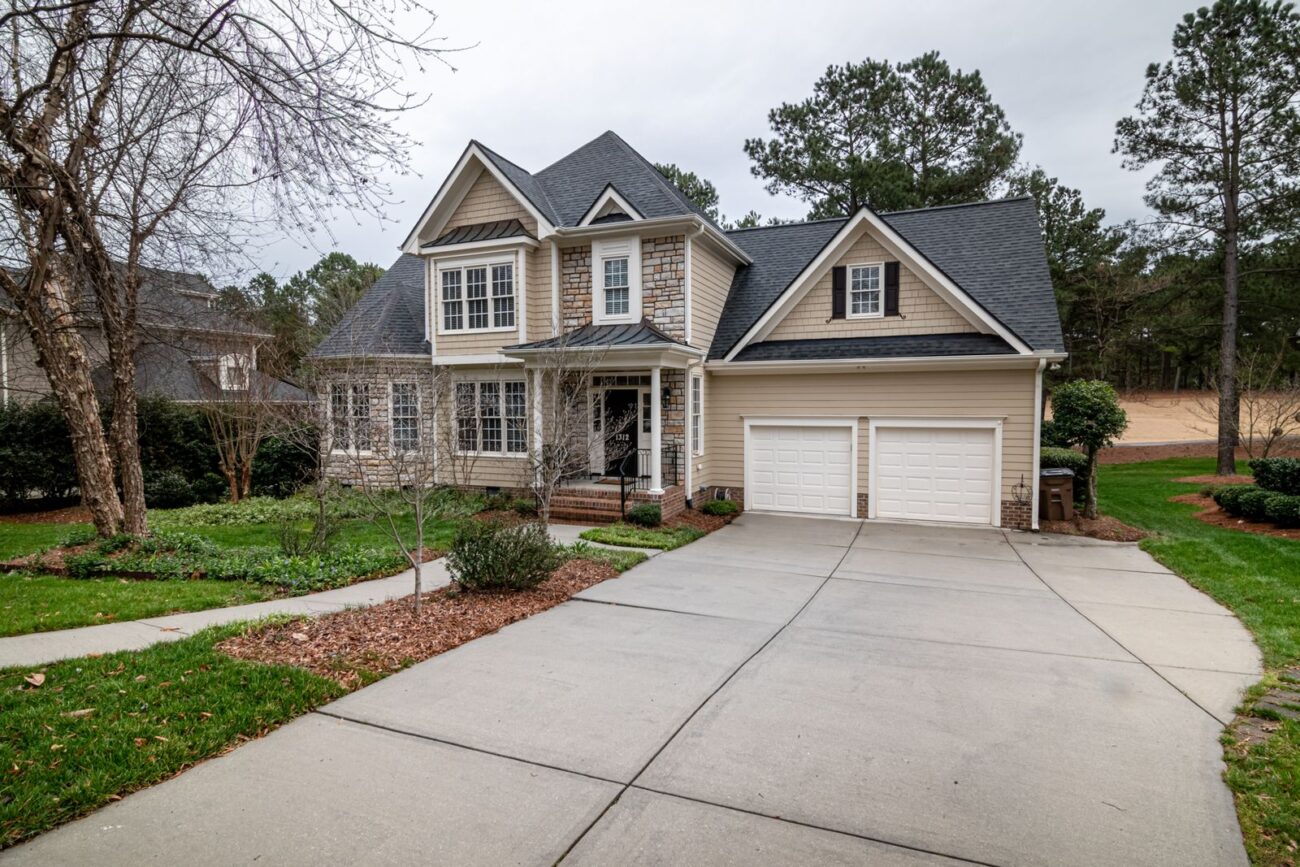
An easement is a legal right to use part of someone else’s land for a specific, limited purpose without owning it. If your neighbor may drive across the corner of your yard to reach their garage, or your utility company can run power lines across the back of your lot, an easement is behind it. You still own your land, but someone else holds a legal right to use a defined part of it in a defined way. Easements are common across the United States, and most homeowners live with one without noticing it.
What Is An Easement?
An easement is a non-possessory interest in land. In plain terms, the holder can use the land but does not own it. The holder cannot sell your property or keep you off your own land. The right covers only the purpose stated in the easement.
Two terms appear in almost every discussion of easements. The property that benefits is called the dominant estate, and the property that carries the burden is called the servient estate. If a neighbor’s lot depends on a driveway crossing your lot, the neighbor’s lot is the dominant estate and yours is the servient estate. Some easements benefit a person or company rather than land, such as a utility company’s right to run lines across private property.
Nolo’s plain-English overview of easements makes the same point. An easement differs from a license, which is permission the owner can usually take back at any time. An easement is a property right of its own, and it generally stays in place when the property is sold.
Easement Appurtenant: A Right That Belongs To The Land
An easement appurtenant benefits a particular piece of land rather than a particular person. It needs two parcels: a dominant estate and a servient estate. A shared driveway is the classic example.
Its key feature is that it runs with the land. When the dominant parcel is sold, the easement passes to the new owner automatically, even if the deed does not mention it. When the servient parcel is sold, the new owner takes the property subject to the easement. It can therefore affect a property for decades, through many owners.
Easement In Gross: A Right That Belongs To A Person Or Company
An easement in gross benefits a specific person or organization rather than a neighboring parcel. There is no dominant estate. The most familiar example is a utility company’s right to run power lines and pipes across private land.
Whether it can be transferred depends on its type and wording. Commercial easements in gross, such as those held by utility companies, pipelines, and railroads, are usually transferable. A personal easement in gross, granted to one individual for their own use, generally does not pass to someone else when that person sells their home or dies. Read the document that created it rather than guessing.
Utility Easements: The Most Common Type Homeowners Meet
Utility easements are the easements most American homeowners will meet. They are usually written and recorded, and they often appear on the subdivision plat as a strip along the rear or side lot lines. The utility gains the right to install, access, and maintain its lines, and the homeowner keeps the rest of their ownership rights.
For most people, a utility easement has little day-to-day effect. You can plant and live on the land as usual, as long as you do not interfere with the utility’s use. That limit matters: building a shed or planting a large tree inside the easement can lead to its removal if the utility needs access, often at your expense.

Easement By Necessity: When Land Has No Other Access
An easement by necessity arises when a parcel of land is left with no legal access to a public road. It usually comes about when one owner divides a larger tract and sells off a piece that ends up landlocked. The law presumes the buyer of the landlocked parcel has a right to cross the seller’s retained land to reach it.
Two conditions are generally needed: the two parcels were once owned as a single tract, and the necessity existed at the time the land was divided. Under the traditional view, the necessity must be strict: the parcel is completely surrounded with no other legal way to reach it. Some states apply a looser test of reasonable necessity, though mere convenience is never enough.
Prescriptive Easements: Rights Earned Through Long Use
A prescriptive easement is not created by agreement or a signed document. It is earned when someone uses part of another person’s land openly, continuously, and without permission for a period set by state law. It resembles adverse possession, but it grants only a right to use the land, not ownership.
To qualify, the use generally must be open and obvious rather than hidden, continuous for the full statutory period, and adverse, meaning without the owner’s consent. Permission defeats a prescriptive claim, which is why landowners who allow a neighbor to cross their land often put that permission in writing. The required period varies widely by state: as short as five years in California and as long as thirty years in Texas.
How Easements Are Created
Easements come into being in a handful of recognized ways. Knowing which one applies tells you how solid the easement is and how it might end.
- Express grant or reservation: The most common and clearest method. The easement is put in writing, signed, and normally recorded with the county.
- Implied by prior use: When one owner splits a parcel and an obvious, continuing use already crossed the dividing line, such as a driveway or a sewer line, the law may imply the use was meant to continue.
- Implied by necessity: This arises when a division leaves a parcel landlocked, with no other access to a road.
- By prescription: Through long, open, continuous, and unauthorized use for the period set by state law.
- By estoppel: In limited cases, when a landowner’s promises lead someone to rely on access and spend money on it, a court may recognize an easement to prevent unfairness.
The safest easements are the express, written, recorded ones. Implied and prescriptive easements are real, but they are the most likely to produce disputes, because their boundaries may never have been written down.
How Easements End
Easements are durable, but they are not always permanent. A release is a written document in which the holder gives up the right. Merger happens when one person comes to own both parcels. Abandonment requires the holder to show a clear intent to give the easement up, for example by blocking it off. Mere non-use, no matter how long, is generally not enough on its own. An easement by necessity ends when the necessity ends. Because ending an easement usually needs a recorded document or a court order, a handshake agreement with a neighbor is rarely enough.
What Easements Mean For Buyers And Sellers
For a buyer, the single most important step is to find out exactly what easements affect a property before finalizing the purchase. Easements are part of the land: a buyer takes the property subject to them, and a seller generally cannot remove an easement simply by selling. The title search usually turns up recorded easements, and the survey or plat will often show their locations. Ask for copies of the actual easement documents, not just a summary.
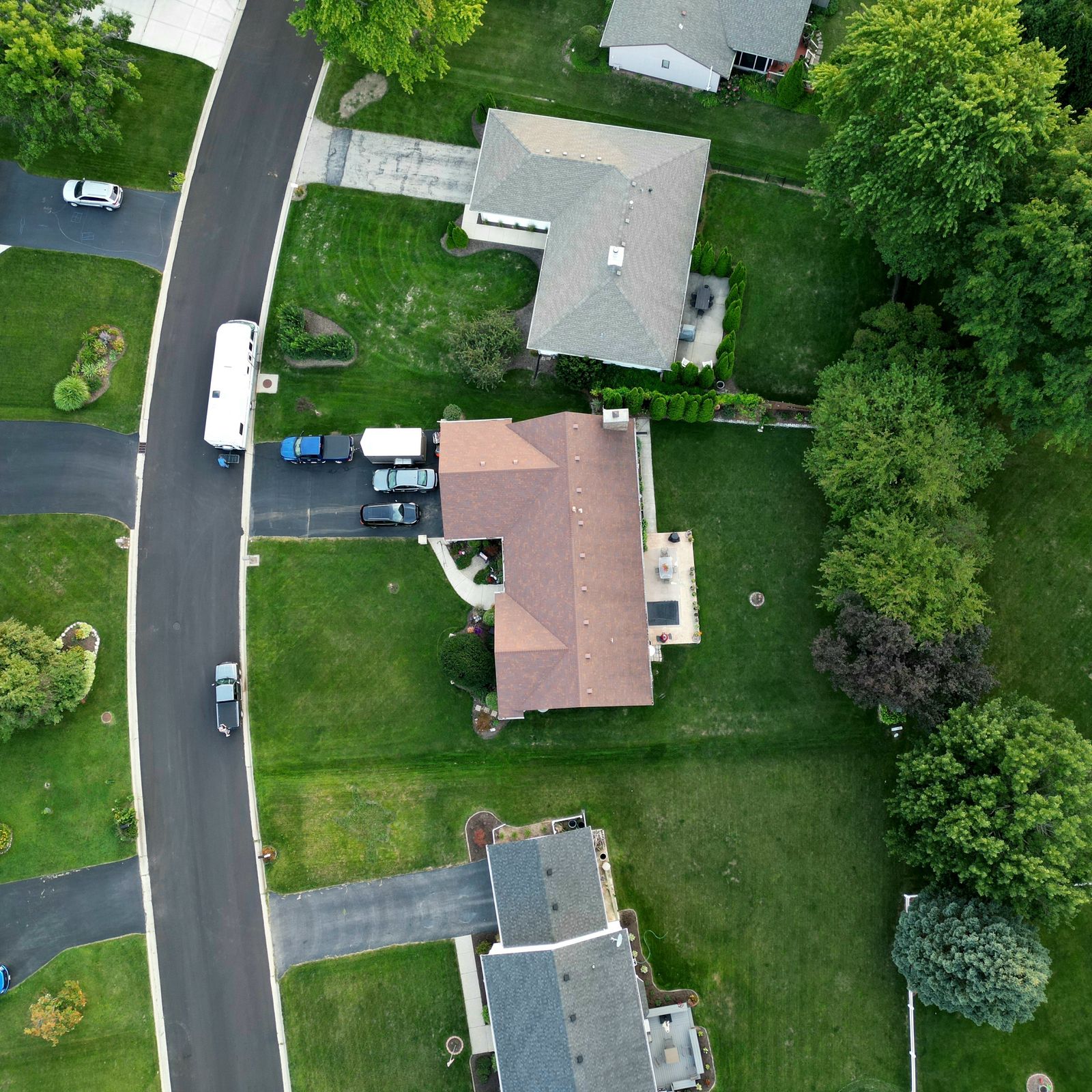
An easement’s effect on value depends on how much it limits the use and enjoyment of the property. A utility strip along the back fence may barely matter. A driveway easement through the middle of the yard, or a restriction that stops you building an extension, can matter a great deal and may affect a future sale and an appraiser’s valuation. Sellers should disclose known easements honestly. Buyers who find one they cannot live with should raise it before closing, while they can still renegotiate or walk away.
Federal housing protections still apply alongside easements, so a buyer should also know the basics of the Fair Housing Act. A property purchase often goes hand in hand with wider estate planning, and many owners use the same moment to review documents such as a living trust, which can shape how property passes to the next generation.
What Easements Mean For Homeowners Day To Day
Living with an easement is usually straightforward once you know it is there. The general rule is that the holder of the easement is responsible for maintaining the easement area, while the landowner must not block or interfere with the holder’s use. A neighbor with a driveway easement should keep the driveway in repair, and you should not park across it or build on it. A utility company should maintain its lines, and you should keep the easement strip clear.
Keep a copy of the easement document, the survey, and the plat with your property papers. If a neighbor asks for a new easement, get the proposal in writing, agree on the exact location and width, and have it reviewed before signing, because a recorded easement is hard to undo. A durable power of attorney can authorize a trusted person to handle property matters on your behalf if you are ever unable to do so yourself.
Frequently Asked Questions About Easements
Can An Easement Be Removed From My Property?
Sometimes, but not by the landowner alone. An easement can end by a written release from the holder, by merger when one person owns both parcels, by abandonment shown through clear conduct, or by the end of the necessity that created it.
Do Easements Lower Property Value?
It depends on the easement. A small utility easement along a lot line usually has little effect. A large access easement or a restriction on how the yard can be used can reduce value and narrow the pool of buyers.
Can I Build On Land Covered By An Easement?
Usually not within the easement area itself. Building a shed, fence, patio, or pool over a utility or access easement can interfere with the holder’s rights and may have to be removed. Check the easement document and the plat first.
Who Pays To Maintain An Easement?
As a general rule, the holder of the easement is responsible for maintaining it, while the landowner must not interfere with that use. The easement document may set different terms.
Can A Neighbor Claim An Easement Just By Using My Land?
Only if the use meets the strict requirements for a prescriptive easement: open, continuous, and without permission for the full period set by state law. Use done with your permission does not count.
Do Easements Transfer When A House Is Sold?
Easements appurtenant transfer automatically with the benefited land, and the burdened land is sold subject to them. Commercial easements in gross, such as utility easements, usually transfer as well. A personal easement in gross generally does not transfer.
Conclusion
An easement is a limited right to use someone else’s land, not a share of ownership. Most easements quietly do their job for years without causing trouble. The problems start when an easement is unknown, unwritten, or misunderstood. Before buying a home, read the title report, study the survey, and ask for the easement documents. As an owner, respect the easements on your land, keep the easement areas clear, and put any new agreement in writing and on the record.
Disclaimer: This article is for general information only and is not legal advice. Property and easement laws vary by state, and the outcome of any easement question depends on the specific facts and documents involved. For advice about your situation, consult a licensed real estate attorney in your state.
