

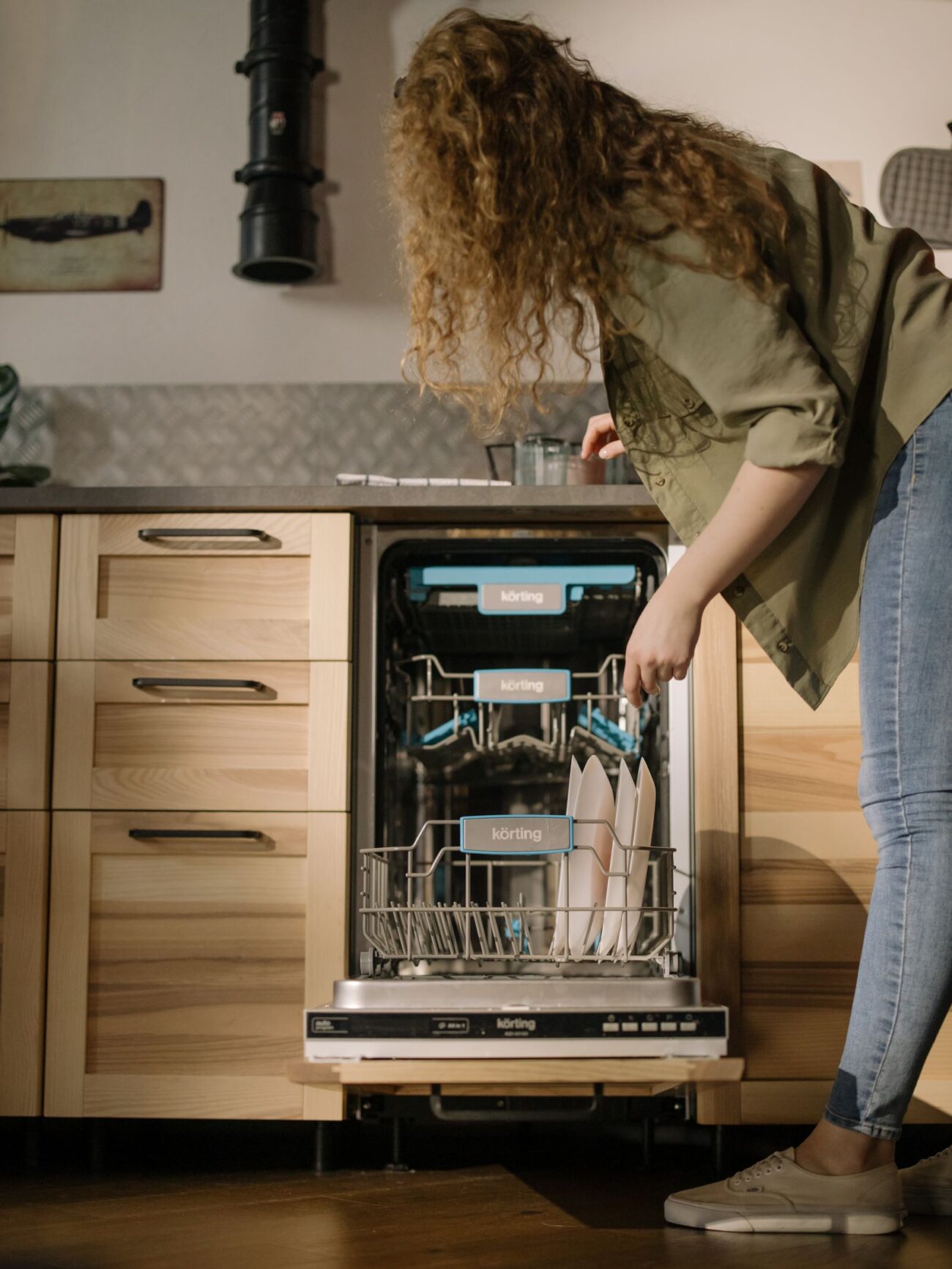
Standing water at the bottom of your dishwasher after a cycle is one of the most common appliance problems in American homes, and the cause is usually simple: a clogged filter, a kinked drain hose, a blocked air gap, or a garbage disposal problem. Most of these faults can be fixed in under half an hour with no special tools and no new parts. A small amount of water, less than an inch, at the bottom of the tub is normal on many models because it keeps the pump seal from drying out. Deeper or dirty water, or water still there an hour later, means a real drainage problem.
Before You Start: Stay Safe
Turn off the dishwasher before you reach inside it. Switch it off at the circuit breaker, or unplug it if it plugs in under the sink. Watch for broken glass in the bottom of the tub, and wear gloves before reaching in. Never put your hand inside a garbage disposal. Turn off its power and use pliers or tongs to remove anything stuck in it. If any step feels beyond your comfort level, stop and call a professional.
How A Dishwasher Drains
After the wash and rinse, a drain pump pushes dirty water out of the tub through the drain hose. The hose runs to the garbage disposal or directly to the sink drain pipe, and on the way it passes through an air gap or rises in a high loop under the counter. The air gap or high loop stops dirty sink water from flowing back into the dishwasher, while a filter at the bottom of the tub catches food before it can reach the pump.
Fix 1: Run The Cancel Or Drain Cycle
Start with the simplest test. Many dishwashers have a cancel or drain function that runs the drain pump on demand, and an interrupted cycle can leave water sitting in the tub. On most models, press and hold the Cancel or Start button for about three seconds until the dishwasher cancels the cycle and the pump runs for around a minute. Close the door and listen. See Family Handyman’s five-minute drain fix for the same first step. If the pump hums and the water level drops, the problem may have been a one-off interruption. If the pump runs but the water stays, move on. A silent pump points toward the later steps or a professional repair.
Fix 2: Run The Garbage Disposal
Most built-in dishwashers drain through the garbage disposal, so if the disposal is full of food waste, the dishwasher has nowhere to send its water. Run the disposal for about 20 to 30 seconds with cold water running, then try the dishwasher drain cycle again. This single step solves the problem more often than people expect. Check the sink itself too. If the sink also drains slowly or backs up, the clog is in the household plumbing rather than the dishwasher. Never use a chemical drain cleaner in a dishwasher; it can damage seals and leave residue on dishes. See our guide to How to Unclog a Shower Drain for clearing a household drain.
Fix 3: Clean The Dishwasher Filter
A clogged filter is the most common cause of a dishwasher that will not drain, and makers such as Whirlpool and Bosch list it first. Most modern dishwashers have a cylindrical filter in the floor of the tub, under the lower spray arm. Remove the bottom rack, twist the filter counterclockwise, and lift it out. Rinse it under hot running water and scrub the mesh gently with a soft brush, such as an old toothbrush, and a little dish soap. Check the sump underneath for food, labels, or glass, and lift out anything you find. Slide the filter back in, turn it clockwise until it locks, then run a drain cycle and check the water level. Clean the filter monthly; it takes two minutes and prevents most drainage problems.
Fix 4: Check The Drain Hose And High Loop
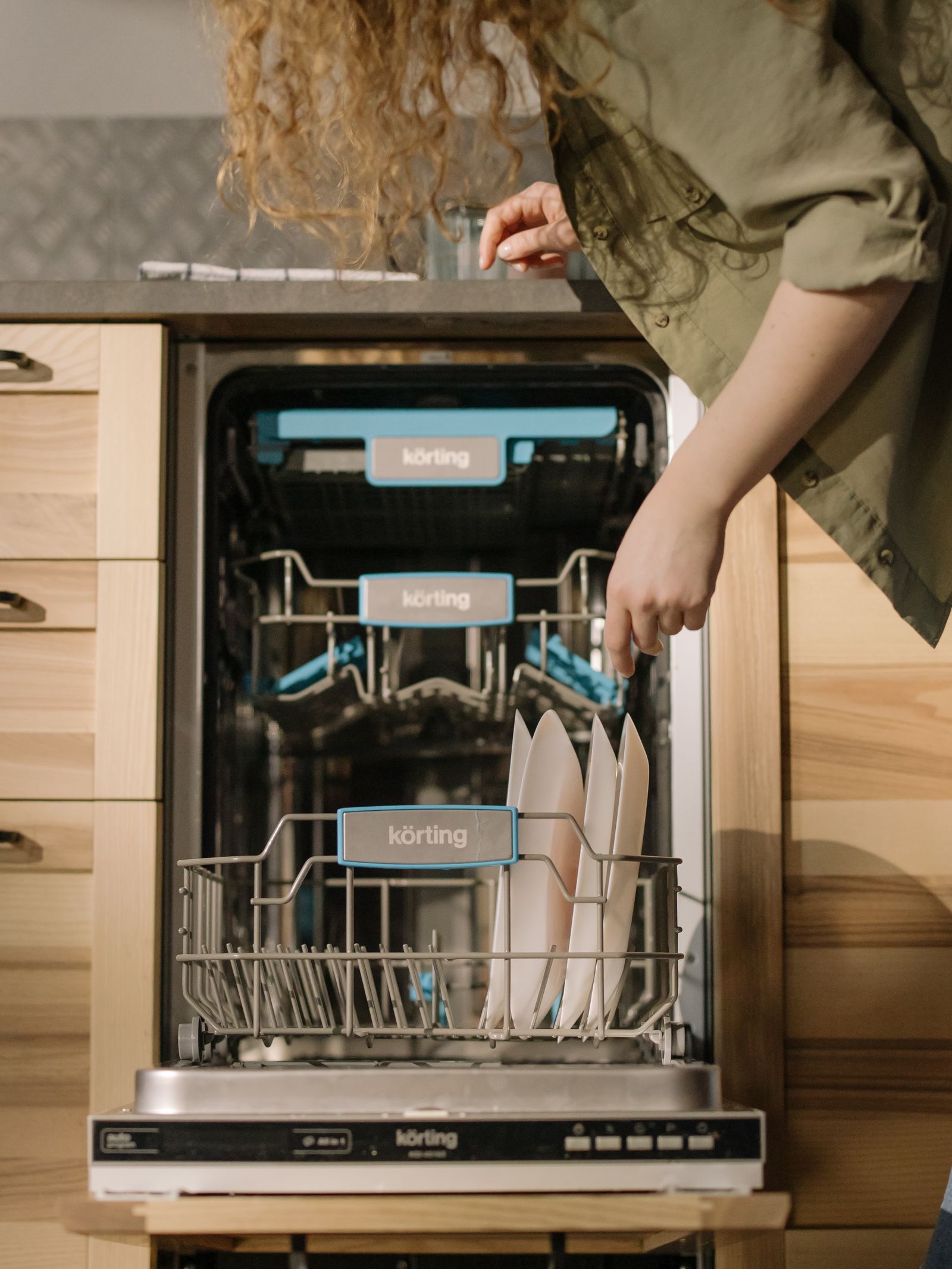
The drain hose is the ribbed hose that runs from the dishwasher, under the cabinet, to the disposal or sink drain. Open the sink cabinet and follow it as far as you can. Straighten any kinks, move anything pressing on it, and look for sagging sections that trap water. If the dishwasher was recently pushed back into its opening, the hose may be pinched underneath the unit. Also check the high loop. The hose should rise up and attach to the underside of the countertop before dropping to the drain, and makers such as Whirlpool, KitchenAid, and Maytag specify a high loop at least 20 inches above the floor. While you are under the sink, look for drips at the hose connections. If you find a leaking tap nearby, our guide to How to Fix a Leaky Faucet With Two Handles walks through that repair.
Fix 5: Clear The Air Gap
If your sink has a small chrome or plastic dome next to the faucet, that is the air gap. Dishwasher water passes through it on the way to the drain, and it stops dirty water from siphoning back into the machine. When it clogs with food debris, water may spit out of the cap while the dishwasher drains. Pop off the decorative cap, unscrew or lift off the inner cover, and clean out the debris with a small brush or a toothpick. Flush it with hot water, replace the cap, and run a drain cycle. If water still spurts out, check the hose between the air gap and the disposal the same way. Air gaps are required by plumbing code in many US states, including California, so do not remove yours permanently. Cleaning it solves the problem; removing it creates a backflow risk.
Fix 6: Remove The Knockout Plug On A New Disposal
If the dishwasher stopped draining right after a new garbage disposal was installed, this is almost certainly the cause. New disposals ship with a plastic plug sealing the dishwasher inlet. That plug has to be knocked out when a dishwasher is connected, and installers sometimes forget. With the power to the disposal switched off at the breaker, knock the plug out through the inlet with a screwdriver and a hammer, and fish the loose piece out of the disposal with pliers. Never reach into the disposal with your hand, even with the power off. Reconnect the drain hose, restore the power, and run a drain cycle. Whirlpool, Bosch, GE, Samsung, and Frigidaire all list this plug in their guidance.
Fix 7: Clear The Drain Pump And Check Valve
If the filter is clean, the hose is clear, and the disposal works, the drain pump is next. Scoop out the standing water first so you can see the bottom of the tub. With the filter removed, look for the small pump cover, usually white or gray, near the bottom of the tub. Lift one edge with a spoon handle, flip it toward you, and look inside for broken glass, seeds, bone pieces, or labels. The impeller underneath should move with a little resistance when you turn it by hand. Remove any debris, put the cover back, and push it down until it clicks fully into place. A humming pump that moves no water usually means a jammed impeller; a silent pump may have failed electrically. The check valve is a small rubber flap at the pump outlet that stops drained water flowing back into the tub; when it sticks shut, water collects even though everything else is clear. On many Bosch models, drain problems show up as error codes E24 (hose or filter) and E25 (blocked pump). If cleaning the pump area does not fix it, or the impeller is cracked, call a technician. Family Handyman’s unclogging guide covers the same checks.
Fix 8: Check The Sink Drain Itself
Sometimes the dishwasher is fine and the blockage is further down the line. If the kitchen sink drains slowly, gurgles, or backs up when the dishwasher tries to drain, the clog is in the sink drain or the shared household drain, not in the appliance. Try a plunger or a drain snake, and check the trap under the sink if you are comfortable doing so. If the whole kitchen drain is slow, the problem may sit deeper in the plumbing, and a plumber is the right call. If other drains are slow too, the main line may be the problem, and no dishwasher fix will solve that.
When To Call A Professional
Call a repair technician if the drain pump makes no sound during the drain cycle, if the impeller is cracked or the motor smells burnt, if a drain error code returns after you have cleaned the filter and pump, or if water is leaking from underneath the machine. Call a plumber if the sink and dishwasher both back up. A pump replacement is a job for a technician because it usually means pulling the dishwasher out and working with wiring. Get a quote first. On a dishwasher more than ten years old with a failed pump, replacement can be the better use of the money.
How To Stop It Happening Again
A few small habits keep the drain path clear.
- Scrape plates before loading, and remove bones, seeds, labels, and large pieces of food.
- Clean the filter once a month, and wipe the door seal at the same time.
- Run the garbage disposal with cold water for a few seconds before starting the dishwasher.
- Run the kitchen tap until the water is hot before starting a cycle.
- Use the right amount of detergent, because too much leaves residue in the filter and hoses.
- Run a hot empty cycle with a cup of white vinegar on the top rack once a month to cut grease.
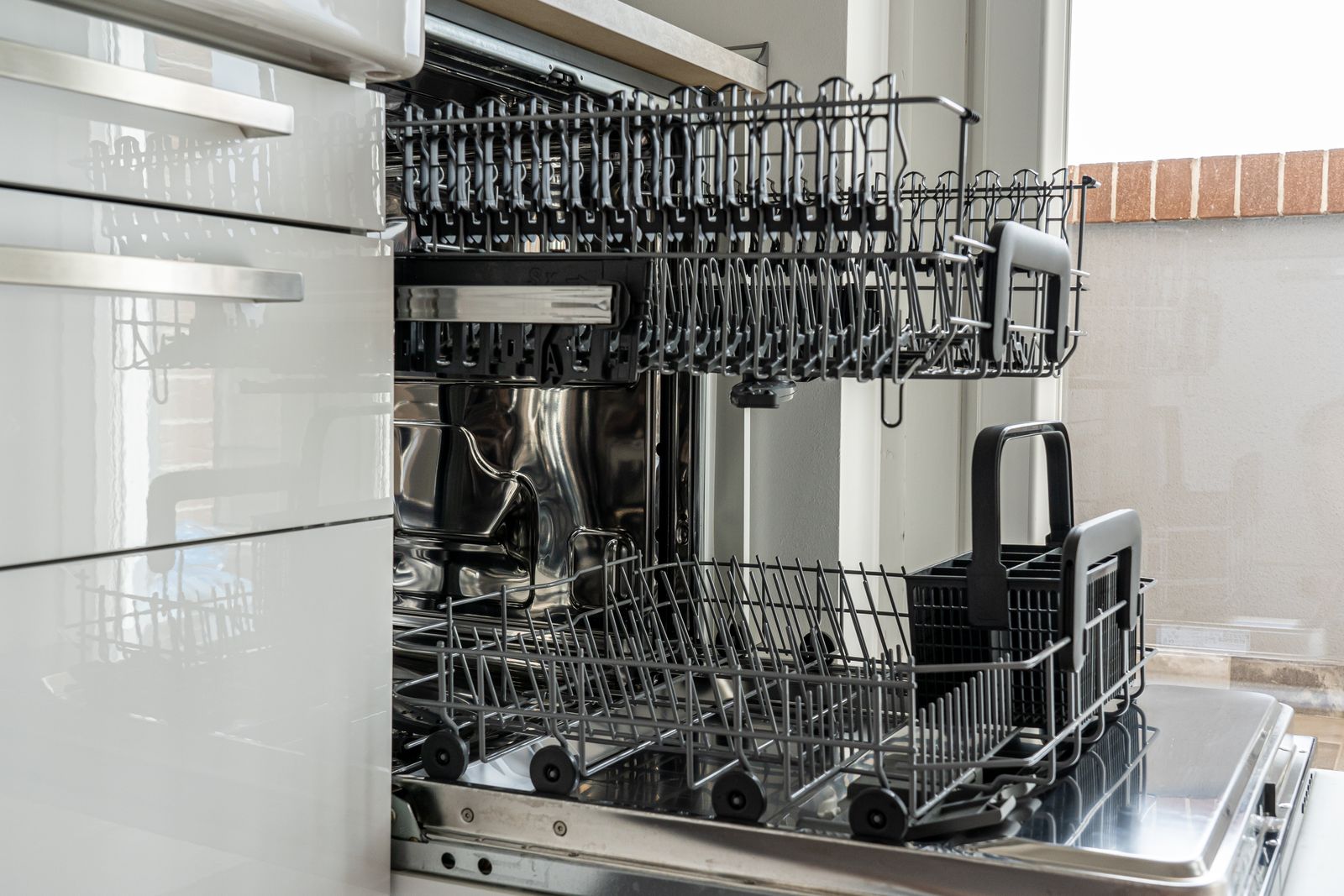
Keeping the water heater in good shape helps too. Our guide to How to Drain a Hot Water Heater explains how to flush sediment from the tank.
Conclusion
A dishwasher that will not drain is usually telling you about a simple blockage, not a dead appliance. Work through the fixes in order, starting with the cancel cycle, the garbage disposal, and the filter, and most machines are draining again within half an hour. Knowing when to stop and call a professional is part of doing the job well. Keep the filter clean and the drain path clear, and the next cycle should end with an empty tub and clean dishes.
Frequently Asked Questions
Why Is My Dishwasher Not Draining?
The most common reasons are a clogged filter, a kinked or blocked drain hose, a clogged air gap, or a garbage disposal problem such as a full disposal or a knockout plug that was never removed. Check them in order; the filter alone solves most cases.
How Much Standing Water Is Normal In A Dishwasher?
A small amount, less than an inch, is normal on many models because it keeps the pump seal from drying out. Deeper or dirty water, or water still there an hour later, means it is not draining properly.
Can I Use Drain Cleaner In My Dishwasher?
No. Chemical drain cleaners can damage the seals and internal parts of a dishwasher and leave residue that ends up on your dishes. Clear the filter, hose, and air gap by hand instead.
Why Does Water Come Out Of The Air Gap?
It usually means the air gap itself is clogged, or the hose from the air gap to the disposal is blocked. Clean the cap and the hose. Do not tape over the air gap or remove it.
Should I Repair Or Replace A Dishwasher That Won’t Drain?
If a simple fix solves it, repair is clearly the right choice. If the drain pump motor has failed and the machine is more than ten years old, compare the repair quote with the cost of a new machine.
