

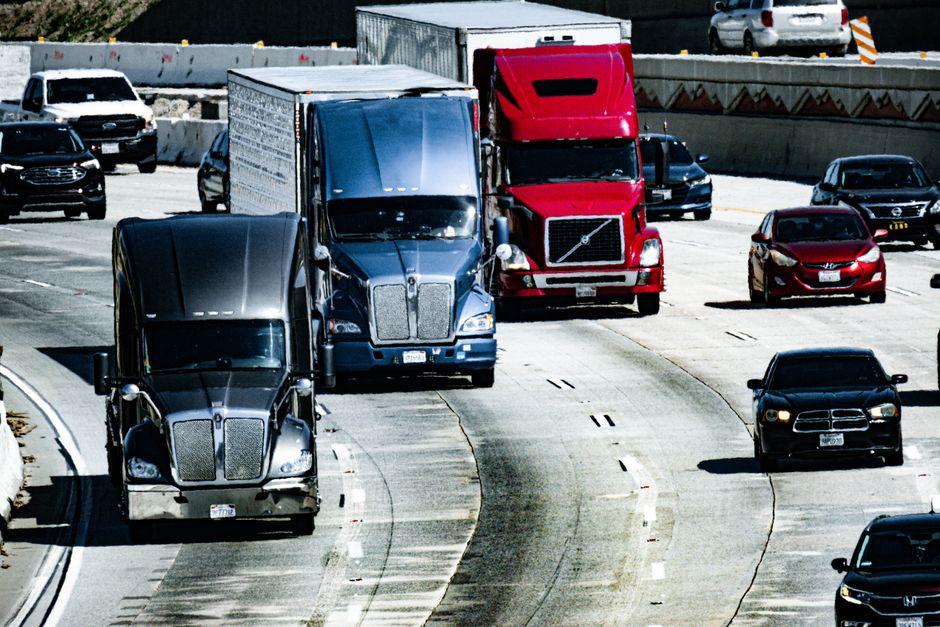
A commercial truck collision can trigger far more than vehicle repairs and insurance paperwork. For trucking companies operating in California, a serious accident may lead to regulatory investigations, injury claims, disputed liability, and expensive litigation.
Unlike ordinary passenger-vehicle accidents, commercial trucking cases involve multiple layers of responsibility. Driver conduct, vehicle maintenance, cargo handling, employer policies, and federal safety regulations can all become important.
The strongest legal response begins before anyone enters a courtroom. Preserving evidence, identifying the parties involved, and understanding how California liability rules apply can influence the direction of a case.
For fleet operators and commercial drivers, knowing what happens after a collision is essential to protecting their legal rights while ensuring that legitimate claims receive a fair examination.
Understand Why Trucking Defense Requires Specialized Legal Knowledge
Commercial trucking litigation differs from typical automobile accident cases because transportation businesses operate under extensive safety requirements.
When a collision occurs, attorneys may need to evaluate federal motor carrier regulations alongside California traffic laws, insurance obligations, and civil liability principles.
For trucking companies facing accident claims in Southern California, working with a legal team familiar with local courts and commercial transportation regulations can be valuable. Fahl and Donaldson is a law firm offering Pasadena truck accident defense lawyer services, helping commercial drivers and trucking businesses navigate liability disputes, regulatory requirements, and complex accident litigation.
Relevant experience matters because trucking disputes frequently involve electronic records, maintenance histories, driver qualifications, and accident reconstruction.
Legal counsel should understand how to preserve this information and determine which regulations apply to the specific vehicle and operation.
Companies should also verify that their chosen attorney is authorized to practice in California.
The objective is not simply challenging allegations. It is developing an accurate understanding of the collision and building a defense supported by reliable evidence.
Preserve Electronic Evidence Before It Disappears
Modern commercial trucks can generate extensive operational information.
Electronic logging devices may document driving time and duty status, while engine systems can contain information about vehicle performance.
Depending on the equipment installed, investigators may also examine GPS records, onboard camera footage, and dispatch communications.
Some electronic information can be overwritten through normal system operations.
For that reason, trucking companies should promptly identify potentially relevant records and implement appropriate preservation procedures when litigation is reasonably anticipated.
Physical evidence matters too.
Vehicle damage, tire conditions, roadway markings, photographs, and witness accounts may help explain how the collision occurred.
Repairs or disposal of damaged components should be coordinated with legal counsel when those materials may be evidence.
A carefully preserved record helps prevent disputes about missing information and supports a more reliable investigation.
Examine Driver Conduct Without Assuming Automatic Fault
After a serious collision, public attention often focuses immediately on the truck driver.
However, the involvement of a large commercial vehicle does not automatically establish negligence.
Investigators must examine the circumstances surrounding the crash.
Relevant questions may include whether the driver maintained an appropriate speed, followed traffic signals, observed surrounding vehicles, and complied with applicable hours-of-service requirements.
Weather, visibility, road conditions, and the actions of other motorists can also affect the analysis.
Driver statements should be considered alongside independent evidence rather than accepted or rejected without examination.
A fair investigation evaluates whether particular conduct contributed to the collision and whether that conduct violated an applicable legal duty.
This approach protects against unsupported conclusions while preserving accountability when negligence is established.
Investigate Maintenance and Cargo Responsibilities
A truck’s mechanical condition can become a central issue in litigation.
Brake performance, tire condition, steering components, lighting, and inspection records may all require examination.
Commercial carriers have maintenance responsibilities under applicable regulations, but responsibility for a particular defect depends on the circumstances.
Vehicle owners, repair contractors, and other businesses may have performed different maintenance functions.
Cargo handling introduces additional questions.
Improperly distributed or inadequately secured freight can affect vehicle stability, braking, and maneuverability.
Shipping documents, loading instructions, weight records, and relevant agreements may help establish who controlled particular operations.
Attorneys should avoid assuming that every mechanical or loading issue is attributable to the driver.
Identifying the actual responsibilities of each participant helps clarify the facts and potential legal exposure.
Apply California’s Comparative Fault Rules Carefully
California follows a pure comparative negligence system, meaning responsibility for an accident can be divided among multiple parties.
If an injured person is partly responsible for a collision, their recoverable damages are generally reduced according to their percentage of fault.
For trucking defendants, this makes accurate reconstruction particularly important.
An investigation may examine unsafe lane changes, sudden braking, distracted driving, or other conduct by surrounding motorists.
However, comparative fault arguments must rest on evidence rather than speculation.
California also distinguishes between economic and noneconomic damages when allocating responsibility among multiple defendants under applicable law.
These distinctions can influence settlement negotiations and litigation strategy.
An attorney should assess the relevant facts and legal standards before determining whether shared fault provides a defensible position.
Evaluate Injury Claims With Medical and Financial Evidence
Trucking collisions can cause serious injuries, making damages a significant component of many lawsuits.
Claims may include medical expenses, lost earnings, reduced earning capacity, and pain and suffering.
Defense attorneys must examine whether the claimed losses are supported by reliable documentation and legally connected to the accident.
Medical records, employment information, expert opinions, and treatment histories may become relevant.
A preexisting condition does not automatically eliminate an injured person’s right to compensation. The important question is whether the collision caused or aggravated a particular injury.
Similarly, disagreement about the extent of damages should not be confused with proof that an injury never occurred.
Careful evaluation helps distinguish legitimate disputes from unsupported allegations.
A credible defense addresses both liability and damages without disregarding documented harm.
Coordinate Insurance Coverage and Litigation Strategy
Commercial trucking operations may involve several insurance policies, contractual arrangements, and potentially responsible businesses.
Determining which policies apply can be complicated when tractors, trailers, drivers, and cargo operations involve separate entities.
After an accident, companies should notify appropriate insurers promptly and follow applicable reporting obligations.
Legal counsel can review policy provisions, defense responsibilities, coverage limits, and contractual indemnity issues.
Communication between the carrier, insurer, and attorneys should remain organized.
Conflicting statements or incomplete documentation can complicate an already difficult dispute.
Settlement discussions may be appropriate when evidence and potential exposure justify resolution.
Other cases may require formal discovery, expert testimony, or trial preparation.
The appropriate strategy depends on the strength of the evidence, legal risks, and realistic assessment of potential outcomes.
Turn Accident Investigations Into Better Fleet Safety Practices
A trucking lawsuit should not be the only reason a company examines its safety procedures.
Collision investigations can reveal opportunities to improve driver training, maintenance oversight, dispatch practices, and recordkeeping.
Review whether employees understand reporting requirements and know whom to contact after an incident.
Establish procedures for preserving electronic information and documenting vehicle conditions.
Regularly assess driver qualification processes, inspection practices, and compliance with applicable safety rules.
When an investigation identifies a genuine operational weakness, corrective action can help reduce future risks.
Companies should also ensure that internal reviews do not interfere with legal evidence-preservation obligations.
The strongest long-term approach combines responsible legal defense with meaningful safety improvements.
Ultimately, California trucking litigation demands more than a quick response to an insurance claim. It requires detailed investigation, accurate application of the law, and careful evaluation of everyone involved.
By preserving evidence, understanding shared responsibility, and maintaining strong operational practices, trucking companies can approach complex disputes with greater preparation while supporting safer commercial transportation.
