


Drinking hot water in the morning can be a genuinely useful habit, but not for the dramatic reasons often claimed online. The clearest benefit is simple hydration: after seven or eight hours of sleep, your body needs fluid, and a warm glass of water delivers it. Beyond that, hot water may gently soothe digestion, ease a stuffy nose through steam, and help you feel calm before the day begins. It does not detox your body, melt fat, or cure health problems — those claims have little support. If you enjoy a warm cup of water first thing, it is a reasonable habit to keep, as long as the water is at a safe temperature.
This article is for general information only and is not medical advice. It does not replace guidance from a qualified healthcare professional. If you have a health condition, take regular medication, or have concerns about your digestion, throat, or hydration needs, please speak to a doctor or another qualified healthcare professional before changing your routine.
Key Takeaways
- Hot water hydrates you just like cold water does, and rehydrating first thing in the morning is its most solid benefit.
- Warm water may relax the muscles of the digestive tract and support comfortable digestion, though research on temperature is limited.
- Steam from a hot drink can help loosen mucus and ease a stuffy nose when you have a cold.
- Hot water does not detox the body or speed up weight loss in any meaningful way — your liver and kidneys already do that work.
- Keep the water comfortably warm, not scalding: aim for roughly 130 to 160°F (54 to 71°C), and never drink water straight from a rolling boil.

Photo by cottonbro studio on Pexels
What Happens When You Drink Hot Water In The Morning
Overnight, your body quietly loses water. You breathe out moisture, you may sweat under the covers, and you go hours without drinking anything. By morning, most people wake up mildly dehydrated, even if they do not feel thirsty. A glass of water — hot, warm, or cold — restores some of that lost fluid and helps your body return to its usual working state.
Temperature adds a small extra layer to this. Warm liquids can relax the smooth muscle that lines the digestive tract, which is one reason a hot drink often feels soothing on an empty stomach. Cleveland Clinic dietitian Beth Czerwony explains that there is little scientific research proving hot water has benefits beyond those of room-temperature or cold water, but notes that the warmth may help relax the gastrointestinal tract and support regular bowel movements. Much of what people feel from a morning cup is real comfort plus real hydration — and that combination is enough to make it a worthwhile habit.
7 Benefits Of Drinking Hot Water In The Morning
Here is what the habit can realistically offer, and where the evidence stands for each point.
1. It Rehydrates You After A Night Of Sleep
This is the most important benefit, and the one with the strongest support. Water is essential for nearly every function in the body, from carrying nutrients to regulating temperature. The Institute of Medicine recommends a total daily water intake of about 2.3 litres (78 ounces) for women and 3.3 litres (112 ounces) for men, from all foods and drinks combined. Starting the day with a glass of hot water gets you closer to that total earlier.
2. It May Gently Support Digestion
Many people find that warm water in the morning feels easier on the stomach than an ice-cold glass. Warm liquids can temporarily relax smooth muscle in the digestive tract, and small studies have suggested that warm water may modestly speed up gastric emptying — the rate at which food leaves the stomach — compared with cold water. Healthline notes that most of these benefits rest on anecdotal reports rather than large clinical trials. A short, easy walk after a meal can also support digestion, as explained in our guide to the benefits of walking after eating.
3. It Can Ease Morning Congestion
If you wake up with a blocked nose or a scratchy throat, the steam rising from a cup of hot water can help. Warm vapour loosens mucus and moistens the nasal passages, which can make breathing feel easier for a little while. Doctors have long recommended warm liquids for colds, flu, and sore throats, because the warmth soothes irritated tissue and the steam helps clear congestion. The relief is temporary, and it will not cure a cold, but on a congested morning it can make the first hour of the day more comfortable.
4. It May Help You Feel Calmer And More Awake
There is a quiet, settling quality to holding a warm cup and drinking slowly before the day starts. Warm drinks are often linked with relaxation, and some clinicians suggest that a warm beverage can activate the body’s rest-and-digest response, easing the tension many people carry into the morning. Pausing for a few minutes, breathing in steam, and drinking something warm gives your mind a calm moment before the day begins. If you are building a steadier start to the day, a warm drink fits naturally alongside other simple habits in our guide to morning rituals that actually work.
5. It Can Soothe A Sore Throat
Hot water can be kind to a sore or dry throat, especially in winter or after a night of breathing through your mouth. Warmth increases blood flow to the tissues it touches and can relax the muscles around the throat, which often brings relief from scratchiness. A spoonful of honey stirred into warm water is a traditional home remedy for coughs, and honey itself has some evidence for easing cough symptoms in adults. Plain hot water works too, and it adds no sugar. If a sore throat lasts more than a few days, or comes with a fever, see a healthcare professional.
6. It May Support Regular Bowel Movements
Constipation is often linked to low fluid intake, and drinking water at any temperature helps keep stools soft and easier to pass. Some people find that hot water in the morning is especially helpful, possibly because warmth relaxes the bowel, or simply because the habit guarantees a full glass of water before breakfast. Cleveland Clinic’s dietitians describe this as a chicken-and-egg question: is it the heat, or is it just the hydration? A warm morning drink can be a useful part of a routine that includes enough water, fibre, and movement. It is not a treatment for chronic constipation, and anyone with persistent bowel problems should talk to a doctor.
7. It Is A Simple Caffeine-Free Morning Ritual
For people who want to cut back on coffee, or who feel jittery after caffeine, hot water offers a warm drink without stimulation. It costs almost nothing and takes two minutes to prepare. Unlike coffee, it will not disturb your sleep later or raise your heart rate. Some people add a slice of lemon for flavour, which also adds a small amount of vitamin C. That is a matter of taste rather than health — lemon does not turn the drink into a detox tonic, and it can be hard on tooth enamel if you drink acidic water very often.
What Hot Water Does Not Do
Honesty matters here, because hot water has picked up a long list of exaggerated claims. It does not flush toxins from your body. Your liver and kidneys filter waste from your blood continuously, and no drink — hot or cold — can speed up that process or replace it. Claims about weight loss are also overstated: drinking water can help you feel full before a meal, which may slightly reduce how much you eat, but the temperature of the water makes no meaningful difference to how many calories you burn. One often-quoted study found a temporary rise in metabolic rate after drinking half a litre of water, but it looked at water in general, not hot water, and other researchers have not reproduced the result. Claims about clearer skin or hair growth from hot water have no solid evidence behind them either.
How To Drink Hot Water In The Morning
Getting the habit right is mostly about temperature and timing:
- Heat cold tap water, not hot tap water. Draw cold water from the tap and heat it in a kettle or pan. Water sitting in a hot-water tank can pick up more minerals and metals from household plumbing.
- Let boiling water cool for a few minutes. Water straight from a rolling boil is around 212°F (100°C), far too hot to drink. Wait until it is comfortably warm — roughly 130 to 160°F (54 to 71°C) is the range most health sources suggest.
- Test it before you sip. Take a small first sip and make sure it feels warm rather than burning. If it stings your lips or tongue, wait longer.
- Drink a full glass, about 8 to 12 ounces. A single mug is a good morning amount. Your total intake across the day is what matters, as our guide on how much water to drink a day explains.
- Drink it before or with breakfast. Many people enjoy hot water on an empty stomach, shortly after waking. Others prefer it with breakfast. Both work — choose the timing you will actually stick with.
- Keep it plain most days. Plain hot water is all you need. Lemon, ginger, or honey can add flavour, but they are optional extras, and sweetened versions add calories or acid that plain water avoids.
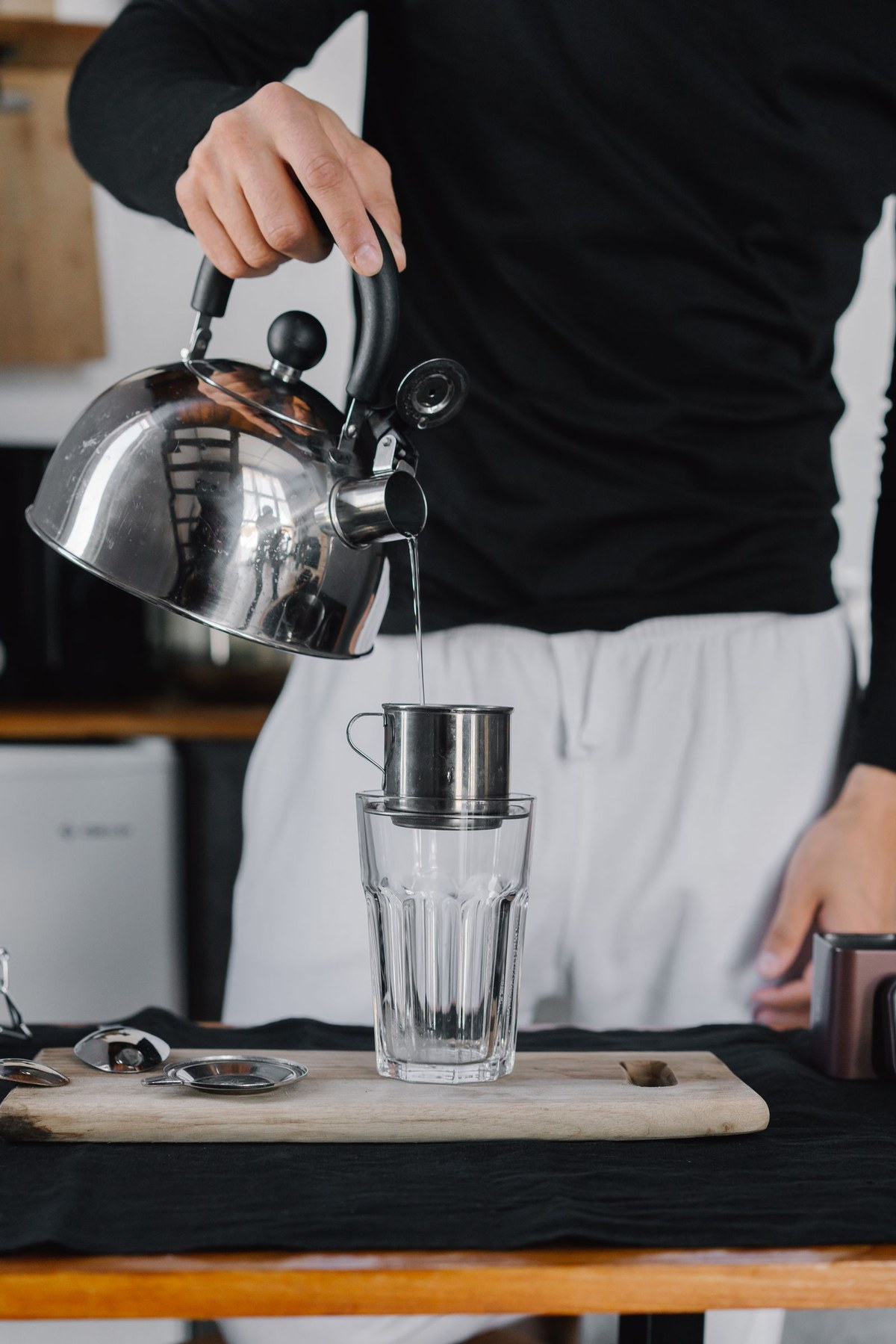
Photo by Mikhail Nilov on Pexels
Who Should Be Careful
Hot water is safe for most healthy adults, but a few groups should take extra care. The main risk is burns: water above 140°F (60°C) can scald the mouth and throat quickly, and the World Health Organization’s cancer research agency has classified drinks above 65°C (149°F) as probably carcinogenic, because repeatedly scalding the oesophagus over many years has been linked to a higher risk of oesophageal cancer. That classification is about temperature, not about water itself — a reason to let boiled water cool, not a reason to fear a warm cup. Children and older adults are more vulnerable to scalds, so their drinks should be cooler and served in cups that are easy to hold. People with acid reflux may find that very hot drinks irritate the throat, so pay attention to how your body responds. Anyone with a condition affecting swallowing, or with mouth or throat sores, should also be cautious and ask a healthcare professional what temperature is safe.
Hot Water Vs Cold Water Vs Room Temperature Water
When it comes to hydration, all three are effectively equal — your body absorbs water the same way regardless of temperature. The differences are small and mostly about comfort. Hot water may feel soothing on the stomach and help with congestion through steam. Cold water can feel more refreshing after exercise or in hot weather, and some people simply drink more of it because they enjoy it. Room-temperature water sits in the middle and is often the easiest to drink in large amounts. As dietitians at UT MD Anderson put it, there are few scientifically proven benefits of hot water over a chilled glass. The best choice is the one you will actually drink every day.
Conclusion
Drinking hot water in the morning is a small, pleasant habit with modest real benefits and very little downside when done safely. Its main value is hydration after a night without fluids, with the bonus of warmth that can soothe digestion and ease a stuffy nose. It will not detox your body or transform your health on its own, and the grander claims made for it online are not supported by evidence. But as part of a day that includes enough water, good food, and movement, a warm glass of water first thing is an easy habit worth keeping — as long as you let the kettle cool first.
Frequently Asked Questions
Is it good to drink hot water every morning?
Yes, for most healthy adults it is a fine daily habit. Hot water hydrates you like any other water, and it may soothe digestion and ease congestion. Keep it comfortably warm — roughly 130 to 160°F (54 to 71°C) — and let boiled water cool before drinking.
Does drinking hot water in the morning help with weight loss?
Not in any meaningful way. Drinking water before a meal may help you feel full and eat slightly less, but the temperature of the water does not burn extra calories. Lasting weight loss comes from overall diet, activity, and sleep, not from a morning drink.
Can hot water in the morning detox the body?
No. Your liver and kidneys continuously filter waste from your blood, and no drink can speed up or replace that process. Hot water supports hydration, which helps those organs work normally, but it does not detox you.
What temperature should hot water be for drinking?
Aim for comfortably warm water, roughly 130 to 160°F (54 to 71°C). Never drink water straight from a rolling boil (212°F / 100°C), and avoid regularly drinking liquids above 149°F (65°C), which the World Health Organization’s cancer research agency links to a higher risk of oesophageal cancer from repeated scalding.
Is hot water better than cold water in the morning?
For hydration, no — both work equally well. Hot water may feel gentler on the stomach and can ease congestion through steam, while cold water can feel more refreshing. Choose whichever temperature helps you drink enough water every day.
Can I add lemon or honey to hot water in the morning?
Yes, if you enjoy the flavour. Lemon adds a little vitamin C, and honey can soothe a cough. Neither turns the drink into a detox tonic, and frequent acidic drinks can wear down tooth enamel, so plain hot water is the best everyday choice.
Who should avoid drinking very hot water?
Children, older adults, and anyone with swallowing difficulties or mouth and throat sores should be especially careful, as they are more vulnerable to scalds. People with acid reflux may also find very hot drinks irritating. If in doubt, ask a healthcare professional.
