

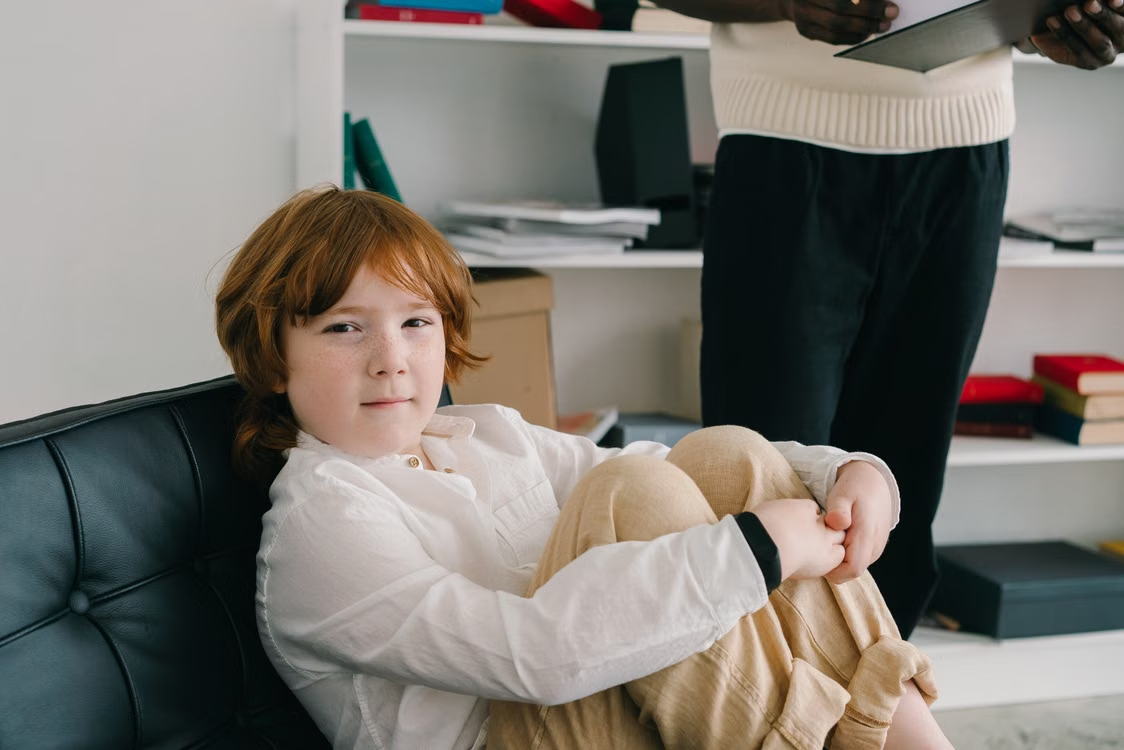
Early childhood is an important period of growth and learning. During these years, children begin developing communication skills, emotional awareness and social connections. Every child follows a different developmental path, and parents play an essential role in supporting their progress.
Simple activities such as playing together, maintaining daily routines, encouraging conversations, and providing emotional support can make a meaningful difference. Understanding children’s individual needs also helps parents create an environment where they feel comfortable exploring, learning, and developing new skills.
Understanding Your Child’s Individual Developmental Needs
Children develop at different rates, and their abilities, interests, and learning styles can vary considerably. Some children begin speaking early, while others need additional time or support to develop communication skills. Similarly, children may differ in how they interact socially, manage emotions, or respond to unfamiliar situations.
Parents can support development by observing their child’s strengths, interests, and everyday challenges. Understanding these differences helps families choose activities and learning opportunities that match their child’s abilities.
Some children may benefit from additional support, particularly when they experience challenges with communication, social interaction, or everyday activities .Early intervention programs can provide individualized learning opportunities that build on a child’s existing abilities and interests. For autistic children who need additional support with communication, social interaction, and everyday activities, ABA therapy for kids can offer personalized learning experiences that incorporate play-based activities, positive reinforcement, and practical skill development.
They focus on helping children develop practical skills in comfortable environments while considering their individual strengths and developmental needs. Parent coaching can also help families understand their child’s progress and support learning at home.
Choosing the right developmental support involves understanding each child’s unique needs, respecting their individuality, and encouraging progress at a comfortable pace.
Encouraging Learning Through Everyday Play
Play is one of the most natural ways children learn about their surroundings. Through games, creative activities, and exploration, children develop problem-solving abilities, communication skills, and physical coordination.
Parents can encourage learning by offering age-appropriate toys, building blocks, puzzles, and imaginative activities. For example, sorting colorful objects can introduce basic concepts, while pretend cooking or shopping games encourage communication and creativity.
Outdoor play also provides opportunities to develop movement skills and explore different environments. Running, climbing, and playing with balls can support coordination and confidence.
Rather than focusing entirely on structured lessons, parents should allow children to explore their interests. Following a child’s lead during play can make learning more enjoyable and encourage curiosity.
Supporting Communication and Language Development
Communication skills begin developing long before children can speak in complete sentences. Babies communicate through sounds, facial expressions, and gestures, while toddlers gradually learn to express their thoughts and needs.
Parents can encourage communication by talking to their children throughout everyday activities. Describing objects, naming emotions, reading stories, and singing songs provide opportunities to introduce new words and encourage interaction.
Listening is equally important. Giving children time to respond and acknowledging their attempts to communicate can help them feel understood.
Children may also communicate through gestures, pictures, or communication devices. Supporting these methods is important because meaningful communication involves more than spoken language.
If parents have concerns about their child’s communication development, discussing them with a pediatrician or qualified specialist can help identify appropriate next steps.
Helping Children Understand and Manage Emotions
Young children experience many emotions but may not yet understand how to express them. Frustration, excitement, fear, and disappointment can sometimes lead to crying, withdrawal, or challenging behavior.
Parents can support emotional development by responding calmly and helping children recognize their feelings. Simple statements such as “You seem upset because your toy broke” can help connect emotions with everyday experiences.
Providing reassurance and maintaining predictable routines can also help children feel secure. When children become overwhelmed, offering a quiet space or a comforting activity may help them regain their sense of calm.
Emotional development takes time. Instead of expecting children to manage every feeling independently, parents can demonstrate patience, empathy, and healthy ways of responding to difficult situations.
Creating Healthy Daily Routines at Home
Consistent routines provide children with a sense of stability and help them understand what to expect throughout the day. Regular times for meals, sleep, play, and family activities can make daily transitions easier.
Adequate sleep is particularly important for children’s growth, attention, and emotional well-being. Parents can encourage healthy sleep habits by maintaining a consistent bedtime and creating a calm environment before sleep.
Balanced meals, physical activity, and opportunities for rest also contribute to overall development.
However, routines should remain flexible enough to accommodate individual needs. Some children may require additional preparation before changing activities, while others benefit from visual schedules or simple reminders.
A supportive routine should make everyday life more manageable rather than placing unnecessary pressure on children.
Building Social Skills Through Positive Interactions
Social development involves learning how to connect with others, express preferences, recognize emotions, and participate in shared activities.
Parents can encourage these skills through family conversations, cooperative games, and opportunities to interact with other children. Activities such as taking turns during games or working together on simple projects introduce important social experiences.
Children should also have opportunities to develop relationships in ways that feel comfortable to them. Some enjoy group activities, while others prefer quieter interactions or need more time to become familiar with new people.
Respecting these differences helps children build confidence without feeling pressured to communicate or socialize in one particular way.
Positive interactions with supportive adults can further strengthen children’s sense of belonging and emotional security.
Recognizing When Additional Developmental Support May Help
Every child develops differently, but parents should feel comfortable asking questions when they notice ongoing challenges with communication, movement, learning, or everyday activities.
Regular pediatric appointments provide opportunities to discuss developmental milestones and share observations. A healthcare professional may recommend further evaluation or suggest services based on the child’s individual needs.
Early support can include speech-language therapy, occupational therapy, developmental services, or other individualized approaches. The most suitable options depend on a child’s strengths, challenges, and family circumstances.
Parents can also benefit from learning practical strategies they can use at home. Working collaboratively with qualified professionals helps families establish realistic goals and monitor progress.
Supporting healthy childhood development does not require children to reach every milestone at the same time. What matters most is providing a caring environment, recognizing individual differences, and offering appropriate opportunities to learn and grow.
