

If you have ever stood in a paint store staring at a wall of cans, you know the hardest choice is often not the color — it is the finish. A satin paint finish sits right in the middle of the sheen scale, and that middle ground is exactly why so many homeowners and professional painters reach for it. It has a soft glow without the shine of gloss, and it wipes clean far more easily than flat paint. This guide explains what it is, where it works best, and how it compares with eggshell, semi-gloss, and matte.
Key Takeaways
- A satin paint finish is a mid-level sheen: more shine than eggshell, less than semi-gloss.
- It resists stains and stands up to gentle scrubbing, making it one of the most practical finishes for busy homes.
- Satin works best on high-traffic walls, hallways, kids’ rooms, kitchens, bathrooms, trim, doors, and cabinets.
- It is not the best pick for ceilings or walls with visible dents and patchy drywall.
- Sheen names are not standardized across brands, so test a sample on your own wall first.
What Is A Satin Paint Finish?
Sheen, or paint finish, is a measure of how much light reflects off a painted surface. That is how Benjamin Moore defines it, and the definition matters because sheen changes how a color looks once it is on the wall. The same shade of blue can look soft and chalky in flat and noticeably brighter in satin, simply because satin bounces more light back into the room.
Satin sits in the middle of the sheen scale: from least to most reflective, the order runs flat, matte, eggshell, satin, semi-gloss, and high gloss. Satin gives walls a smooth, low-to-medium luster often described as velvety or pearl-like: not shiny like a gloss front door, but clearly not flat either.
The industry measures sheen in gloss units with a glossmeter. On the Master Painters Institute scale, satin typically measures around 20 to 35 gloss units at a 60-degree angle, against roughly 10 to 25 for eggshell. The ranges overlap, so the same word does not mean the same shine at every brand. One manufacturer’s satin can measure about the same as another manufacturer’s eggshell, so a test patch on your own wall is the only way to know what you are getting.
Satin Paint Finish Vs. Other Sheens
Choosing a finish is a trade-off between three things: how much the wall hides, how easily it cleans, and how much shine you want. Satin is the middle answer to all three.
| Finish | Shine Level | Hides Flaws | Easy to Clean | Best For |
|---|---|---|---|---|
| Matte / Flat | Almost none | Best | Hardest | Ceilings, low-traffic walls |
| Eggshell | Low, soft glow | Good | Moderate | Bedrooms, living rooms, dining rooms |
| Satin | Medium, velvety | Fair | Good | Hallways, kids’ rooms, kitchens, bathrooms |
| Semi-Gloss | Noticeably shiny | Poor | Very good | Trim, doors, cabinets |
| High Gloss | Mirror-like | Poorest | Easiest | Accent trim, front doors |
Satin Vs. Eggshell
Eggshell and satin sit next to each other on the scale, and in some product lines their gloss readings nearly overlap — but the difference is real. Satin reflects more light, so it looks slightly brighter and more polished, and it stands up better to scrubbing and stains. Benjamin Moore notes satin delivers a higher gloss than eggshell with better stain resistance and durability.
Eggshell wins on forgiveness. Its softer glow hides patchy drywall, old repairs, and uneven texture far better than satin, and it touches up more easily: a small satin touch-up can dry shinier, while an eggshell patch is much more likely to blend in. The practical rule: choose eggshell for calm, low-traffic rooms where the walls are not perfect, and satin where hands, pets, and daily life touch the walls.
Satin Vs. Semi-Gloss
Semi-gloss is a clear step shinier than satin. It reflects noticeably more light, resists moisture and scrubbing better, and makes trim, molding, and paneling stand out. That is why both Benjamin Moore and Sherwin-Williams point to semi-gloss as the usual choice for trim, doors, and cabinets.
On a large wall, though, semi-gloss can feel too shiny and too revealing: every dent, seam, and roller mark shows up more. Satin gives you most of the durability with a much softer look, so it is the better choice for whole walls in kitchens and bathrooms, while semi-gloss takes the trim and cabinets.
Satin Vs. Matte And Flat
Matte and flat finishes have almost no shine, and that is their strength: they hide imperfections better than any other finish and give color a deep, rich look. Their weakness is maintenance — flat paint scuffs and stains easily, and washing it can leave shiny burnished patches. Satin is the opposite trade: it shows more of what is underneath the paint, but it survives real life far better. A hallway painted in flat will look marked within months in a busy household, while the same hallway in satin can be wiped clean again and again. That is why flat still rules ceilings and rarely touched walls.
Where To Use A Satin Paint Finish
Satin is the most versatile sheen for interior walls. Sherwin-Williams calls it ideal for high-traffic rooms — hallways, woodwork, children’s bedrooms, and family rooms — and Benjamin Moore lists it for high-traffic walls, trim, doors, and cabinets.
Hallways, Stairwells, And Family Rooms
These are the hardest-working walls in any home — hands brush them, bags bump them, children lean on them, pets rub against them. Satin handles that traffic well because it resists scuffs and wipes clean with a damp cloth. If you remember one room for satin, make it the hallway.
Kids’ Rooms And Playrooms
Few surfaces in a home get tested like a child’s bedroom wall: crayon, fingerprints, and the occasional mystery smudge are part of the deal. Satin is the finish most painters recommend here because it can be cleaned without damaging the paint film. A flat wall in the same room would need repainting far sooner.
Kitchens And Bathrooms
Kitchens and bathrooms add moisture and grease to the challenge. Sherwin-Williams recommends a satin or semi-gloss sheen for bathroom walls because both can withstand moisture; satin is the softer-looking of the two. In a kitchen, satin suits walls around cooking and eating areas, where splashes and steam are common. If you are working with a compact bathroom, our guide to the best paint colors for a small bathroom with no windows can help you pick a shade that makes the space feel brighter.
Trim, Doors, And Cabinets
Satin gives trim and doors a clean, finished look without the hard glare of gloss. Benjamin Moore suggests using satin to highlight windows, trim, doors, and cabinets, especially where there is molding or paneling worth showing off.
Furniture
Satin is also a strong choice for painted furniture. It is durable enough for pieces handled daily, such as dressers, side tables, and chairs, and its soft glow flatters wood far better than a flat finish. The catch is preparation: furniture needs cleaning, sanding, and priming before the satin coat goes on, or the finish will not last. Our step-by-step guide to painting furniture walks through that preparation in detail.
Where Satin Is Not The Best Choice
Satin is versatile, but it is not universal. The first place to avoid it is the ceiling: ceilings catch light at a low angle, and any sheen on them will show every seam, patch, and roller mark. Flat paint is the standard here, since it hides imperfections and keeps attention off the surface above you.
The second is any wall with visible flaws. Older plaster, patched drywall, and uneven texture will all look worse under satin than under eggshell or matte, because the shine spotlights bumps and dips, especially in strong side light. If your walls are not in good shape, fix them first, or step down to eggshell and accept a little less washability for a much more forgiving finish.
How To Apply Satin Paint For The Best Result
Satin shows application flaws more readily than flatter finishes, so prep work matters more. Start by cleaning the wall, filling any holes or cracks, then sanding the filler smooth and wiping away the dust. If you are painting over a darker color, a glossy surface, or bare drywall, use a primer first. Primer helps it cover evenly and stops old stains from bleeding through.
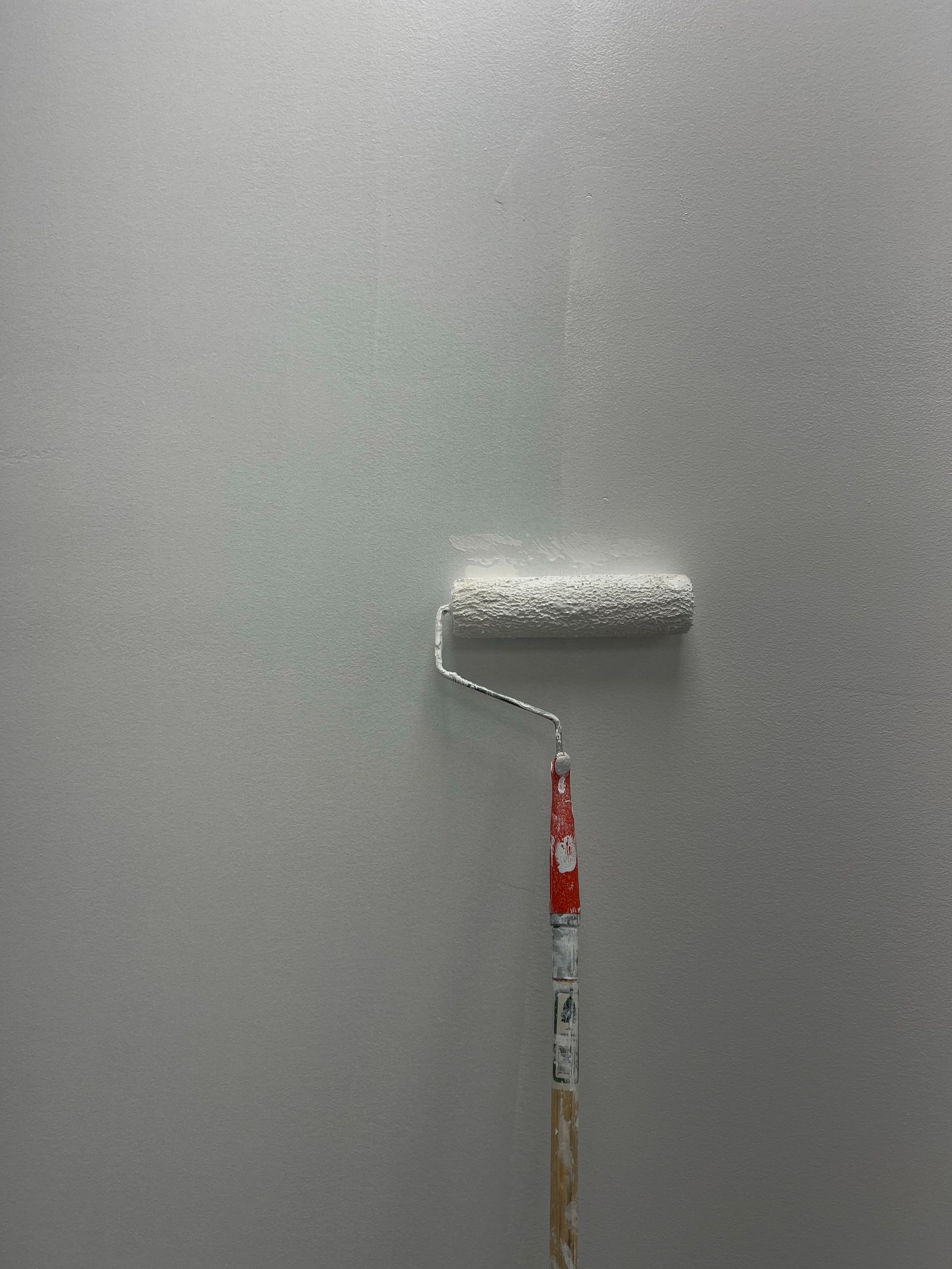
Use a good roller with a nap suited to your wall texture — usually 3/8 inch for smooth walls — and a brush for cutting in around edges and trim. Work in manageable sections and keep a wet edge: each new roller pass should overlap the still-wet paint from the last one. Letting an edge dry first is the most common cause of visible lap marks in satin.
Most walls need two coats for full, even coverage. Let the first coat dry fully, per the time printed on the can, before starting the second. Our guide to how long it takes to paint a room gives a realistic schedule from prep to final coat. One warning: satin touch-ups are harder than on flatter paint, since a patch can dry slightly shinier. For small marks, try cleaning first.
Common Mistakes To Avoid
- Skipping the sample test. Paint a large test patch on the actual wall and check it in daylight and at night before buying gallons.
- Painting over a dirty or glossy surface without cleaning and priming. Satin will not stick well, and the old color can show through.
Frequently Asked Questions
Is Satin Paint Finish Shiny?
Satin has a medium, soft shine, not a glossy one. It reflects more light than eggshell or matte, giving walls a gentle glow, but far less than semi-gloss or high gloss.
Is Satin Paint Good For Walls?
Yes, satin is one of the best finishes for interior walls, especially in busy areas. It is durable, resists stains, and can be wiped clean, which makes it ideal for hallways, family rooms, kids’ rooms, kitchens, and bathrooms — less so for ceilings and walls with visible flaws.
What Is The Difference Between Satin And Eggshell Paint?
Satin is shinier and more durable than eggshell, and it stands up better to scrubbing and stains. Eggshell has a softer, lower glow and hides wall flaws and touch-ups more easily. Choose satin where walls get touched and cleaned often, and eggshell where the walls are imperfect and the room is calm.
Can You Use Satin Paint In A Bathroom?
Yes. Paint manufacturers recommend satin or semi-gloss for bathroom walls because both handle moisture and regular wiping well, and satin is the softer-looking of the two. Good ventilation still matters, since no finish can make up for a bathroom that stays steamy.
Conclusion
A satin paint finish earns its popularity by doing the middle job better than any other sheen: shiny enough to look polished and clean up easily, yet soft enough for a living room wall. It suits the hardest-working rooms in the house, and it flatters trim, doors, cabinets, and furniture too. Its limits are honest: it will show a rough wall, it will not hide a ceiling’s flaws, and it asks for careful application and a sample test first. Respect those limits, and satin gives most homes what they need — a wall that looks good on day one and after years of daily life.
