

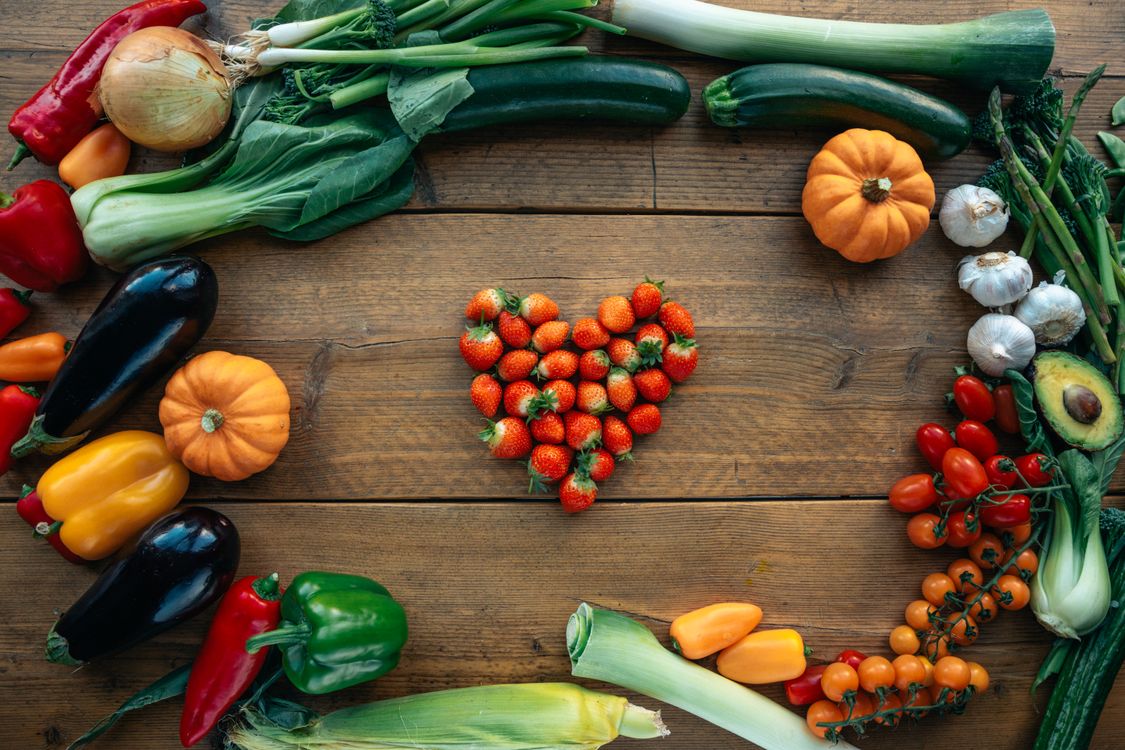
You can lower bad cholesterol naturally by changing what you eat, how you move, and a few everyday habits that add up over time. There is no single food or quick trick that does the work on its own. Instead, steady choices such as eating more fiber, choosing healthier fats, staying active, keeping a healthy weight, and not smoking tend to support healthier cholesterol levels when they are practiced together. This guide explains those steps in plain language, so you can build a routine that feels realistic and sustainable rather than strict or short-lived.
General Information Disclaimer: This article is general health information only, not medical advice. It does not diagnose or treat any condition. Cholesterol levels and heart risk vary from person to person, so talk to a healthcare professional before changing your diet, exercise routine, or treatment plan, especially if you take medicine or have a health condition.
What Bad Cholesterol Means And Why It Matters
Cholesterol is a waxy substance your body needs in small amounts to build cells and make certain hormones. Problems tend to arise when there is too much low-density lipoprotein, or LDL cholesterol. LDL is often called bad cholesterol because high levels can contribute to fatty buildup in the arteries over time, narrowing them and raising the risk of heart disease and stroke.
LDL Versus HDL In Simple Terms
LDL and HDL play different roles. LDL carries cholesterol to the arteries, and too much of it can lead to buildup. HDL, often called good cholesterol, helps carry cholesterol away from the arteries to the liver, where it can be removed. A healthy pattern usually means lower LDL, higher HDL, and lower triglycerides, another type of fat in the blood. Habits that lower LDL and support HDL are generally good for your heart.
Why Lifestyle Steps Come First For Many People
For many adults, lifestyle changes are the first step in managing cholesterol, especially when levels are only mildly raised and overall risk is not high. Diet, activity, weight, smoking, and alcohol all influence cholesterol and heart risk. Some people will still need medicine, and that is not a failure: genetics, age, family history, and other conditions can raise cholesterol even in people who eat well and exercise regularly. Lifestyle steps are the foundation, not a substitute for medicine when a clinician recommends it.
Eat For Lower LDL
Food choices have one of the largest day-to-day effects on cholesterol. You do not need a perfect diet or an extreme eating plan. Small, consistent swaps often work better than a short period of strict eating followed by a return to old habits. Focus on adding helpful foods first, then gradually reducing foods that tend to raise LDL.
Add More Soluble Fiber Every Day
Soluble fiber is one of the most helpful nutrients for cholesterol. It dissolves in water, forms a gel in the digestive system, and helps reduce the absorption of cholesterol into the bloodstream. Good sources include oats and oat bran, barley, beans, lentils, chickpeas, apples, pears, citrus fruits, carrots, and flaxseeds. Try to include a soluble fiber source at most meals: oatmeal with fruit at breakfast, lentil soup at lunch, and beans or vegetables with dinner. If you are not used to much fiber, increase it gradually and drink enough water.
Choose Unsaturated Fats Over Saturated Fats
The type of fat you eat matters more for cholesterol than the total amount alone. Saturated fats, found mainly in fatty meats, butter, cream, cheese, coconut oil, palm oil, and many fried and processed foods, tend to raise LDL. Unsaturated fats, found in olive oil, canola oil, avocados, nuts, seeds, and oily fish, are generally better for heart health. Swap where you can: cook with olive oil instead of butter, choose nuts or seeds instead of pastries or fried snacks, and pick lean meat, poultry without skin, or fish more often than fatty or processed meats.
Eat More Plant Foods And Whole Grains
A diet rich in plant foods naturally supports lower cholesterol. Vegetables, fruits, whole grains, beans, lentils, nuts, and seeds provide fiber and nutrients without much saturated fat. Whole grains such as oats, brown rice, whole wheat bread, and barley retain more fiber than refined grains. Aim to fill about half your plate with vegetables and fruits at lunch and dinner, and add beans or lentils to several meals each week. Oily fish such as salmon, mackerel, and sardines can also be part of a heart-friendly pattern. For more on balanced eating, see Why Nutritional Variety Matters in a Balanced Diet.
Practical Daily Habits That Support Healthy Cholesterol
Food is only part of the picture. Movement, weight, smoking, and alcohol also shape cholesterol and heart risk, and these habits work best when they fit into normal life.
Move Your Body Most Days
Regular activity can help raise HDL, lower triglycerides, support a healthy weight, and improve heart fitness. You do not need to run marathons or spend hours in a gym: brisk walking, cycling, swimming, dancing, and gardening all count. Aim for movement on most days, building up gradually if you are currently inactive. A daily walk after meals is a good start, and short bouts spread through the day still add up. Strength activities a couple of times a week can also help. If you have chest pain, breathlessness, or any concern about exercising, check with your clinician first. See also Can You Lose Weight by Walking?.
Work Toward A Healthy Weight
Carrying extra weight, especially around the waist, is linked with higher LDL and triglycerides and lower HDL. Even modest weight loss can help improve cholesterol for many people, although results vary. Sustainable habits work better than crash diets: eat more vegetables and whole foods, watch portion sizes, limit sugary drinks and alcohol, move more each day, and cook at home more often. A clinician or registered dietitian can help you set a realistic plan.
Stop Smoking And Limit Alcohol
Smoking lowers HDL, damages blood vessels, and greatly increases heart risk, so stopping is one of the most powerful steps for heart health. Support is available from clinicians, quit lines, and stop-smoking programs. Alcohol can raise triglycerides and add extra calories, and heavy drinking harms the heart and liver. If you drink, keep intake low and include alcohol-free days. If cutting down is hard, talk to your clinician about support.
What To Limit Or Avoid
Foods that tend to raise LDL include fatty and processed meats such as sausages, bacon, and salami, full-fat dairy in large amounts, butter and cream, fried foods, pastries, cakes, and many fast foods high in saturated fat. Trans fats, once common in partially hydrogenated oils, are best avoided where possible. Sugary drinks and sweets can raise triglycerides, add weight, and crowd out healthier foods. You do not need to ban favorite foods forever: enjoying them occasionally, in smaller portions, is very different from eating them every day.
How To Track Progress Without Overdoing It
Cholesterol changes slowly, so patience matters. A blood test ordered by your clinician is the only reliable way to know your levels; home kits cannot replace a laboratory test or a clinician’s view of your overall risk. Ask how often you should be tested and what your results mean alongside your age, family history, blood pressure, blood sugar, weight, and smoking status. Track habits simply: more fiber, movement most days, cooking at home, and less alcohol and smoking. If levels do not improve with lifestyle alone, that is not failure; your clinician can discuss next steps. The American Heart Association’s cholesterol pages offer further background on LDL, HDL, and triglycerides.
When To Seek Care
Seek emergency care promptly for chest pain or pressure, pain spreading to the arm, neck, jaw, or back, sudden breathlessness, sudden weakness or numbness on one side, sudden trouble speaking, or sudden vision changes. These can be signs of a heart attack or stroke. Talk to your clinician soon if your cholesterol is high, you have a family history of early heart disease, or you have diabetes or high blood pressure. Do not stop prescribed cholesterol medicine without discussing it with your clinician; medicine and lifestyle steps often work together. MedlinePlus explains cholesterol, including causes, diagnosis, and lowering cholesterol.
Conclusion: Small Steps, Steady Progress
Lowering bad cholesterol naturally is rarely about one dramatic change. It is about everyday choices that support your heart over months and years: more fiber and plant foods, healthier fats, movement most days, a healthy weight, no smoking, and less alcohol and saturated fat. Track progress through your clinician, and ask for help when you need it. If medicine becomes part of your plan, it works alongside your lifestyle steps, not against them. Start with one or two changes this week and build from there.
Frequently Asked Questions
How Long Does It Take To Lower Cholesterol Naturally?
Cholesterol usually changes gradually, over weeks and months, not days. Timing varies with your starting level, overall risk, habit consistency, genetics, and medicine. A follow-up blood test arranged by your clinician is the best way to see whether your changes are working.
Can Diet Alone Lower Bad Cholesterol Enough?
For some people, diet and lifestyle changes can lower LDL meaningfully. For others, especially those with very high cholesterol, a strong family history, or other risk factors, lifestyle alone may not be enough. A heart-friendly diet still supports overall health and works alongside medicine when medicine is needed.
Are Eggs And Cheese Bad For Cholesterol?
Dietary cholesterol from foods has less effect on blood cholesterol for most people than saturated fat does. Eggs can fit into a balanced diet for many people, especially alongside vegetables, whole grains, and unsaturated fats. Cheese is higher in saturated fat, so smaller, less frequent portions are sensible. If you have high cholesterol or heart disease, ask your clinician or a dietitian about portions that suit you.
Do I Need To Avoid All Fat To Lower Cholesterol?
No. Your body needs some fat, and unsaturated fats from olive oil, nuts, seeds, avocados, and oily fish can support heart health. Limiting saturated fat and avoiding trans fat, while including unsaturated fats in reasonable amounts, is generally more helpful than a very low-fat diet that is hard to sustain.
Should I Take Supplements To Lower Cholesterol?
Supplements are widely marketed for cholesterol, but they are not a substitute for a healthy diet, activity, and medical advice. Some may interact with medicines or cause side effects. Do not start one for cholesterol without talking to your clinician or pharmacist first, especially if you take prescribed medicine.
