

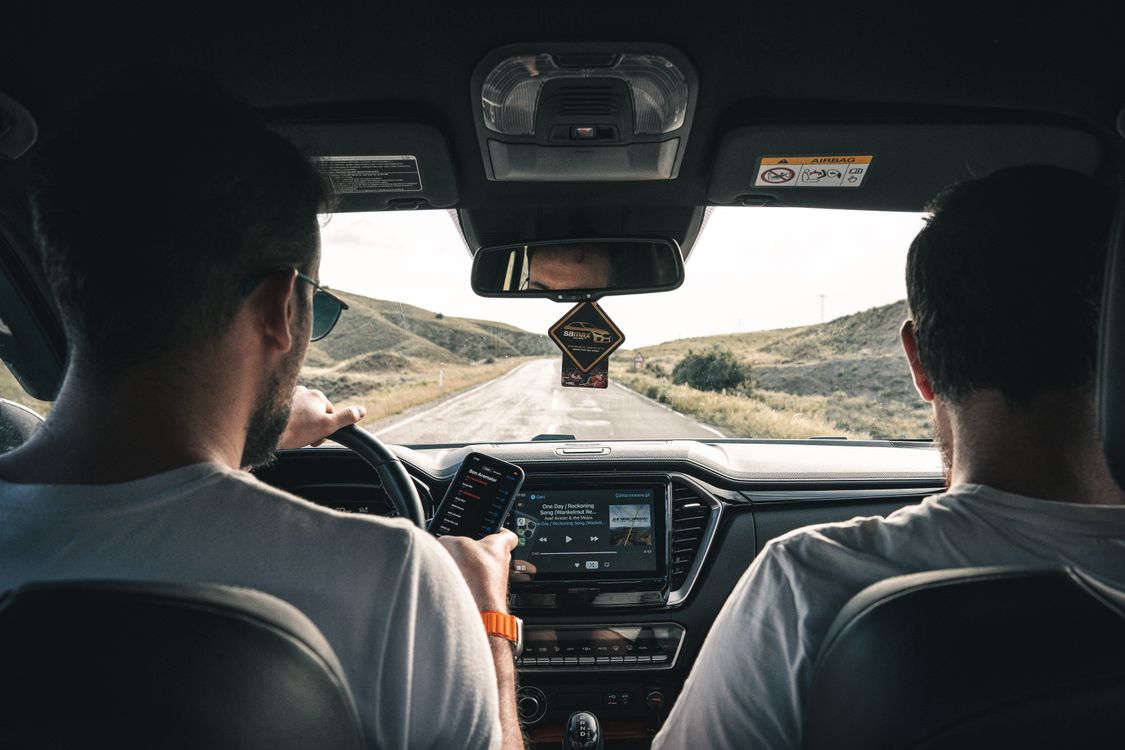
A good road trip itinerary does more than list places on a map. It answers the questions that matter before you leave home: how far you will drive each day, where you will sleep, what you will do when plans change, and how much the trip will cost. When those answers are clear, the drive itself becomes enjoyable instead of stressful, and you spend less time arguing about directions and more time enjoying the places you came to see.
Planning a road trip does not mean scheduling every hour. The best itineraries leave room for a long lunch, an unplanned viewpoint, or a small town you did not expect to love. They give each day a shape — a starting point, a main stop or two, and a place to rest — without turning the holiday into a checklist.
What A Good Road Trip Itinerary Actually Does
A useful itinerary balances driving time with time outside the car. Many first-time road trippers plan routes that look short on a map but feel long behind the wheel, especially once fuel stops, meals, road works, and photo breaks are added. A realistic plan counts those pauses instead of pretending they will not happen.
It also helps you make decisions early, when choices are cheapest and most available. Accommodation in popular areas, national park lodging, and rental cars can sell out or rise in price closer to departure. An itinerary lets you book the important things first and leave smaller choices, such as where to eat, open until the day itself.
Most importantly, a good itinerary protects the reason you chose the trip. If you wanted slow mornings and coastal views, it should not force very long driving days. The route should serve the trip you want, not the other way around.
Start With The Kind Of Trip You Want
Before you open a map, decide what kind of trip this is. A weekend getaway, a week-long family holiday, and a cross-country drive need very different plans. Write down how many days you have, including travel days at both ends, and who is travelling. Children, older travellers, pets, and drivers who want to share the wheel all change what a comfortable day looks like.
Next, choose one main theme. It could be national parks, coastal towns, historic cities, food, music, or simply the joy of driving a famous highway. A theme makes choices easier. When two stops compete for the same afternoon, the one that fits your theme wins, and the other can wait for another trip.
Agree on pace before you book. Some travellers love a new town every night; others prefer two nights in one place with day trips. Talk about it early, and build rest days into longer trips so no one starts a driving day already tired.
Choose Your Route Before You Book Anything
Once you know your theme and pace, sketch the route. Start with your start point and end point, then add the places you most want to see. Look at the driving distance between each stop, not just the total distance. A route with several short drives often feels better than one with a single very long day followed by days of short hops.
Use a reliable mapping tool to check real driving times, and add time for stops. As a general rule, a drive that a map calls four hours will often take five once you include fuel, food, and rest breaks. If a day includes sightseeing, keep the driving part shorter so the stop does not feel rushed.
Think about the roads, not only the destinations. Interstate highways are faster and more predictable, while smaller scenic roads can be slower but far more memorable. Where possible, mix the two: faster roads to cover ground, scenic roads for the stretches you most want to enjoy.
Set A Daily Driving Limit You Can Enjoy
There is no single correct daily distance, because comfort depends on the driver, the road, and the passengers. As a practical starting point, many travellers find two to four hours of driving per day comfortable on a sightseeing trip, and five to six hours manageable on a transit day when the goal is simply to reach the next region. Beyond that, fatigue builds quickly, and the trip stops being fun.
Share the driving if you can. Even switching every couple of hours helps concentration and keeps everyone fresher. Plan fuel stops before the tank gets low, especially in rural areas where stations can be far apart. Keep water, snacks, and a phone charger in the car, and agree in advance where you will stop for lunch so hunger does not turn into a rushed decision at a busy interchange.
If you are travelling with children, plan stops they will enjoy, not only viewpoints for adults. Playgrounds, short walks, and places to stretch legs make the next stretch of driving much easier for everyone.
Build Your Day-By-Day Plan
Turn your route into a simple day-by-day outline. For each day, note the starting town, the main stop or activity, the approximate driving time, and the overnight town. You do not need to fill every hour. One or two main activities per day is usually enough, with the rest of the time left for meals, wandering, and rest.
Check opening days and hours for the places that matter most. Museums, parks, and attractions can close on certain weekdays or seasons, and some popular sites require timed entry or advance reservations. The National Park Service website is a good place to check current conditions, alerts, and entry requirements for national parks before you travel. Confirming these details early prevents a long drive to a closed gate.
Keep overnight stops realistic. Arriving before dark gives you time to settle in, find food, and rest properly. A calm evening is worth more than one extra sight.
Plan Your Budget In Advance
A road trip budget is easier to control when you list the main costs before you leave: fuel, accommodation, food, activities, tolls, and parking. Fuel is the most variable cost, so estimate it from your total distance and your vehicle’s fuel use, then add a buffer for detours and higher prices in remote areas. Accommodation is usually the largest fixed cost, so booking early in popular places can save money as well as stress.
Food costs are flexible. Mixing restaurant meals with groceries and picnics can keep spending steady without making the trip feel restricted. Pack a cooler for drinks and snacks, and favour local places over highway service stations where you can.
Set aside a contingency amount for the unexpected: a tyre repair, an extra night, or a change of plan because of weather. Track spending lightly as you go, perhaps once a day.
Book In The Right Order
Book in an order that protects the hardest things to change. Start with anything that sells out or has strict dates, such as national park lodging, popular tours, or timed-entry attractions. Then book accommodation for each overnight stop, followed by your rental car if you need one, and finally the flexible items such as restaurants or local activities.
If your plans might change, check cancellation terms before you pay. Flexible accommodation can cost a little more, but it is often worth it on a road trip, where weather, road closures, or a place you love can easily shift the schedule by a day. Keep all confirmations in one place, either printed or saved offline on your phone, so a weak signal does not leave you without an address or booking reference.
Pack For The Road, Not Just The Destination
Road trip packing is different from packing for a flight, because the car is part of the holiday. Pack a small day bag that stays within reach, with water, snacks, sunscreen, a first-aid kit, chargers, and anything children or pets need. Keep heavier luggage packed so it does not need to be unpacked at every stop.
Check your vehicle before a long drive: tyre pressure, oil, coolant, lights, and wipers. Make sure the spare tyre, jack, and warning equipment are present, or that your roadside assistance cover is current. The motoring organisation AAA publishes road safety and trip planning guidance worth reviewing before a long drive.
Dress for layers and comfort. Weather can change quickly between regions, and a day that starts in warm sunshine can end in cool mountain air. Comfortable walking shoes matter more on a road trip than formal clothes, because the best stops usually involve walking.
For a complete checklist, see our Travel Packing List.
Stay Safe And Flexible While Driving
Safety on a road trip starts with rest. Do not drive when tired, and stop if you feel drowsy, even if it means changing the plan for the day. Take regular breaks, share driving where possible, and avoid using your phone while driving. Set navigation before you set off, and let a passenger handle directions and music.
Weather and road conditions can change a route. Check forecasts and road alerts each morning, and be willing to take a different road or spend an extra night somewhere if conditions are poor. Flexibility is not a failure of planning; it is part of good planning. The itinerary is a guide, not a contract.
Keep driving licence, insurance details, and rental agreement easy to reach. Let someone who is not travelling know your rough route and expected arrival days, especially on remote stretches.
For calmer destinations, see Safest Places To Travel, and if you are considering travel work, How to Become a Travel Agent.
A Trip You Will Actually Enjoy
The best road trip itinerary is one you can actually follow without exhaustion. It leaves time for the unexpected, respects the limits of drivers and passengers, and puts the places you care about most at the centre of the plan. You do not need to see everything. You need to enjoy what you do see, arrive safely each night, and come home with memories rather than a feeling of relief that the driving is over.
Start early, keep days realistic, book the important things first, and leave space in every day for something unplanned. That balance — a clear plan with room to breathe — is what turns a long drive into a trip worth repeating.
Frequently Asked Questions
How Many Days Do I Need For A Road Trip?
It depends on distance and pace. A satisfying trip can be as short as a long weekend if the route focuses on one region. For a multi-state route, allow at least a week, balancing driving days with rest and sightseeing days.
How Far Should I Drive Each Day On A Road Trip?
For a sightseeing trip, two to four hours of driving per day is comfortable for most travellers. Five to six hours works for a transit day when the goal is to reach the next area. Longer days are possible occasionally, but they should not be the pattern for the whole trip, especially if only one person is driving.
Should I Book All Accommodation In Advance?
Book ahead for popular areas, national park towns, and peak-season weekends, when choice is limited. In quieter areas or off-season, leaving some nights flexible lets you stay longer in places you enjoy. Always check cancellation terms.
What Should I Do If Weather Changes My Route?
Check forecasts and road alerts each morning and adjust early rather than late. Have an alternative stop or a shorter driving day in mind for each stretch of the route. An extra night in one town is usually better than driving through poor conditions to keep to the original schedule.
Is A Road Trip Cheaper Than Flying?
It can be, especially for families or groups sharing one car, but it depends on distance, fuel, accommodation, and nights away. Compare total costs, not only flight prices. A road trip also offers flexibility and stops along the way that flying cannot match.
