
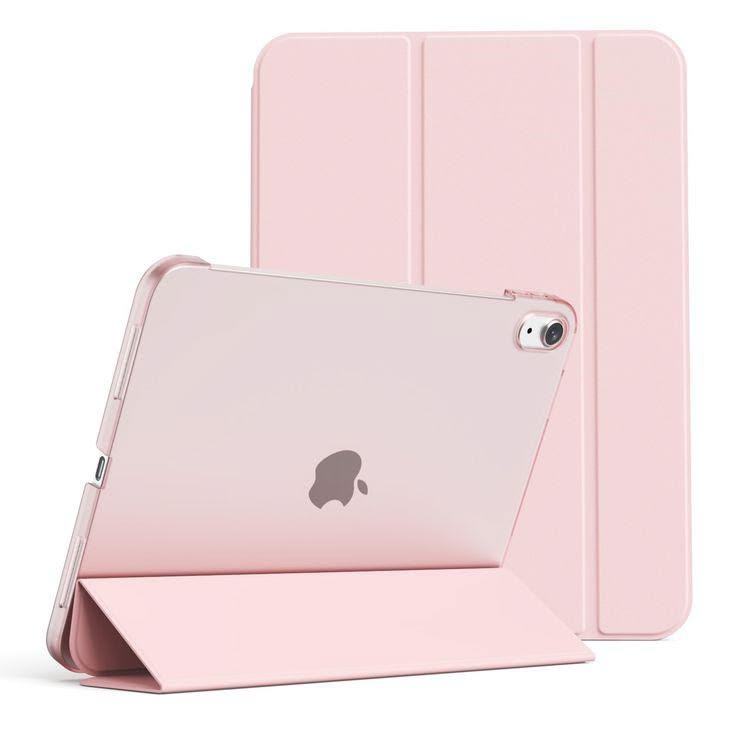
An iPad case is more than just an accessory. It helps protect your device from everyday wear while making it easier and more comfortable to use. Whether you use your iPad for work, study, entertainment, creative projects, or travel, the right case can improve your overall experience and help keep your device in excellent condition.
Choosing an iPad case is not always as simple as picking the first design you like. There are many styles, materials, and features available, and each one serves a different purpose. Some users need a slim and lightweight option for daily carrying, while others prefer a rugged case that offers extra protection against accidental drops. Features like adjustable stands, Apple Pencil holders, keyboard compatibility, and auto sleep/wake support can also make a big difference depending on how you use your device.
This guide explains everything you need to know about choosing the right iPad case. You’ll learn about the different types of cases, the materials they are made from, the features that matter most, how to find the correct fit for your iPad model, and how to keep your case in good condition over time.
What Is an iPad Case?
An iPad case is a protective cover designed specifically for Apple’s iPad tablets. It fits around the device to help reduce the risk of scratches, dents, and damage caused by everyday use or accidental drops. Many cases also include additional features that improve convenience, making the iPad easier to carry, hold, or position for different activities.
The primary purpose of an Apple iPad case is protection, but modern designs offer much more than that. Many models include built-in stands for comfortable viewing, magnetic closures, storage for an Apple Pencil, or support for detachable keyboards. These features allow users to customize their iPad for work, learning, drawing, reading, or watching videos.
People often confuse an iPad case with an iPad sleeve or cover, but they are not the same. A sleeve is mainly designed for carrying and storing the iPad when it is not in use. It usually does not stay attached during use. A cover typically protects only the front screen, while a full iPad protective case surrounds both the back and sides of the device, offering more complete protection.
Today, iPad cases are used in homes, schools, offices, and while traveling. They help extend the life of the device while making everyday tasks more comfortable.
Why Using an iPad Case Is Important?
Although iPads are built with high-quality materials, they are still vulnerable to damage from everyday accidents. A simple drop onto a hard floor can result in scratches, dents, or even a cracked screen. Using an iPad case adds an extra layer of protection that helps reduce these risks.
Another advantage is improved grip. The smooth aluminum finish of an iPad can sometimes feel slippery, especially when using it for long periods. A protective case provides a more secure hold, making accidental slips less likely.
An iPad case also improves everyday convenience. Cases with built-in stands allow comfortable viewing while reading, attending online meetings, or watching videos without holding the device continuously. Models with Apple Pencil storage help keep accessories organized and easy to access.
Over time, regular use can leave marks on the back and edges of an iPad. A case helps protect against everyday wear, keeping the device looking newer for longer. This can also help maintain its resale value if you decide to upgrade in the future.
For people who frequently carry their iPad between work, school, or travel, a lightweight yet protective case provides peace of mind without adding unnecessary bulk.
Different Types of iPad Cases
There is no single best iPad case for everyone because different users have different needs. Understanding the available styles makes it easier to choose the right one.
Slim cases focus on keeping the iPad lightweight while providing basic protection against scratches and minor bumps. They are ideal for users who want to preserve the tablet’s sleek appearance.
Protective cases offer stronger impact resistance and cover more of the device. They are suitable for everyday users who want extra protection without making the iPad overly bulky.
Rugged iPad cases are designed for demanding environments. They usually feature reinforced corners, thicker materials, and enhanced drop protection, making them popular for outdoor work, construction sites, and children.
Folio cases combine protection with functionality. Their front cover often folds into a stand, making typing or watching videos more comfortable. Many users prefer a folio case because it balances style and practicality.
Keyboard cases transform an iPad into a more laptop-like device. They are especially useful for students and professionals who regularly type documents or emails.
Clear cases allow the original design of the iPad to remain visible while still providing basic protection. Leather cases offer a premium appearance and comfortable grip, while waterproof cases are designed for environments where exposure to water is a concern.
Some models also include useful additions such as built-in stands or dedicated Apple Pencil holders, making them even more practical for everyday use.
Key Features to Look for in an iPad Case
Not every iPad case offers the same level of protection or convenience. While appearance is important for some users, the features of a case have a much greater impact on how well it performs in everyday use.
One of the first things to consider is drop protection. A quality iPad protective case should help absorb impact if the device is accidentally dropped. Reinforced corners and shock-absorbing materials can significantly reduce the risk of damage.
Many modern cases also support the auto sleep/wake function. Magnets built into the cover automatically wake the iPad when opened and put it to sleep when closed. This feature helps save battery life and makes the device quicker to access.
A magnetic attachment provides a secure fit while allowing the case to be removed easily when needed. Some magnetic designs also work well with accessories that are made specifically for certain iPad models.
If you regularly watch videos, attend virtual meetings, or read on your iPad, adjustable viewing angles are extremely useful. A built-in stand lets you position the screen comfortably without holding the device for long periods.
For users who own an Apple Pencil, a case with dedicated Pencil storage keeps the stylus secure and reduces the chances of losing it. Some designs also support wireless charging while the Pencil remains attached.
If productivity is a priority, keyboard compatibility may be worth considering. A keyboard case allows the iPad to function more like a laptop, making typing faster and more comfortable.
Finally, pay attention to the overall build quality. A lightweight design is easier to carry every day, while durable materials and precise cutouts ensure easy access to all ports, speakers, buttons, and cameras.
How to Choose the Right iPad Case?
Choosing the right iPad case begins with identifying the exact model of your device. Even iPads with similar screen sizes may have different button placements, camera layouts, or dimensions. Buying a case designed for the wrong model can lead to poor fitting and limited functionality.
Next, think about how you use your iPad each day. Someone who mainly reads books or browses the internet may prefer a slim and lightweight case. A student who carries an iPad between classes might benefit from a folio case with a stand, while professionals who write frequently may find a keyboard case more practical.
The level of protection should also match your lifestyle. If your iPad is mostly used at home, a slim case may provide enough protection. If you travel often or work in environments where accidental drops are more likely, a rugged or shockproof iPad case offers greater peace of mind.
Material is another important factor. Silicone provides a soft and comfortable grip, while polycarbonate offers a harder protective shell. Leather delivers a premium appearance, and hybrid materials combine flexibility with impact resistance.
Portability should never be overlooked. A bulky case may provide excellent protection but could make carrying the iPad less convenient. Finding the right balance between protection and weight often leads to the best overall experience.
Finally, consider whether additional features such as Apple Pencil storage, a built-in stand, or keyboard support will genuinely improve your daily routine rather than choosing features you may never use.
iPad Case Compatibility Guide
Compatibility is one of the most important aspects of choosing an iPad case. Since Apple has released many iPad generations over the years, cases are designed for specific models rather than being universally compatible.
The easiest way to identify your iPad model is by checking the model number in the device settings or on the back of the tablet. Once you know the model, you can select a case designed specifically for that version.
Choosing the correct size ensures that all buttons, speakers, charging ports, and cameras remain fully accessible. A properly fitted case also allows features such as magnetic charging and auto sleep/wake functionality to work correctly.
One of the most common mistakes is assuming that two iPads with the same screen size use identical cases. Small design changes between generations can prevent a case from fitting properly, even if the display measurements appear similar.
Common Materials Used in iPad Cases
The material of an iPad case affects its durability, weight, comfort, and overall appearance.
Silicone is soft, flexible, and comfortable to hold. It provides a secure grip and basic protection against everyday bumps.
TPU, or thermoplastic polyurethane, combines flexibility with excellent shock absorption. It is commonly used in protective cases because it resists cracking while remaining lightweight.
Polycarbonate is a rigid plastic known for its strength. It helps protect against impacts and scratches while maintaining a slim profile.
Leather cases are valued for their elegant appearance and comfortable feel. Genuine leather develops a unique look over time, while synthetic leather offers a similar style at a lower cost.
Fabric-covered cases provide a soft texture and modern appearance, although they may require more regular cleaning than plastic materials.
Hybrid cases combine two or more materials to balance durability, flexibility, and impact resistance. These designs are popular among users looking for both comfort and reliable protection.
Each material has advantages and limitations, so the best choice depends on your priorities, whether they are protection, appearance, weight, or everyday comfort.
iPad Case Features That Improve Everyday Use
Modern iPad cases do much more than protect the device. Many include practical features that improve comfort and productivity.
A built-in stand makes it easier to watch videos, participate in video calls, read documents, or type without holding the tablet. Adjustable viewing angles allow users to choose the most comfortable position.
An integrated Apple Pencil holder keeps the stylus safely attached to the case while ensuring it is always within reach.
Keyboard integration transforms the iPad into a more capable productivity device, making it suitable for writing reports, responding to emails, or completing assignments.
Some cases include a rotating design that allows the screen to switch easily between landscape and portrait orientation. This feature is useful for presentations, reading, and creative work.
Hand straps provide additional security when using the iPad while standing, while shoulder straps make carrying larger iPads more convenient during travel or field work.
Auto wake/sleep functionality adds another level of convenience by automatically turning the display on or off whenever the cover is opened or closed.
Common Mistakes to Avoid When Buying an iPad Case
One of the biggest mistakes people make is purchasing a case without confirming their iPad model. Even a high-quality case becomes ineffective if it does not fit correctly.
Another common mistake is choosing appearance over protection. A stylish case may look attractive but offer very little defense against accidental drops.
Some buyers overlook material quality and focus only on price. Lower-quality materials may wear out more quickly or provide limited protection over time.
It is also easy to pay for features that are never used. For example, if you rarely type on your iPad, investing in a keyboard case may not be necessary.
Thinking about long-term usability instead of short-term appearance often leads to a better purchasing decision.
How to Clean and Maintain an iPad Case?
Regular cleaning helps keep an iPad case looking good while extending its lifespan.
Most silicone, TPU, and polycarbonate cases can be cleaned with a soft cloth, warm water, and mild soap. Harsh chemicals should be avoided because they may damage the material.
Leather cases require more careful maintenance. Using products designed specifically for leather helps preserve their appearance and prevent drying or cracking.
Fabric cases should be cleaned according to the manufacturer’s recommendations to avoid discoloration or damage.
If a case develops deep cracks, loose edges, or no longer fits securely, replacing it is usually the safest option to ensure continued protection.
Final Thoughts
An iPad case is a practical investment that helps protect your device while making it more comfortable and convenient to use every day. From slim covers for everyday portability to rugged cases designed for maximum protection, there is an option to suit every lifestyle and purpose.
When choosing an iPad case, focus on compatibility, material quality, protection level, and the features that genuinely support the way you use your device. Taking the time to select the right case can improve your overall experience while helping your iPad stay in excellent condition for years to come.
Rather than selecting a case based only on its appearance, consider how it will perform in your daily routine. A well-chosen case offers the right balance of protection, functionality, and comfort, allowing you to get the most from your iPad wherever you use it.
FAQs
Do all iPad cases fit every model?
No. Each case is designed for specific iPad models and generations, so compatibility should always be checked before purchasing.
Does an iPad case protect the screen?
Most cases help protect the edges and back of the device. Folio-style cases also cover the screen when closed, although a screen protector can provide additional protection against scratches.
Is a keyboard case worth it?
For users who regularly type documents, emails, or school assignments, a keyboard case can improve productivity and make the iPad feel more like a laptop.
What material offers the best protection?
Hybrid designs that combine TPU with polycarbonate generally provide excellent impact protection while remaining reasonably lightweight.
Can I charge my iPad without removing the case?
Yes. A properly designed iPad case allows full access to the charging port, speakers, and buttons without needing to remove it.
How long does an iPad case typically last?
A well-made case can last for several years with normal use. Its lifespan depends on the material, build quality, and how frequently it is exposed to wear and impact.
