
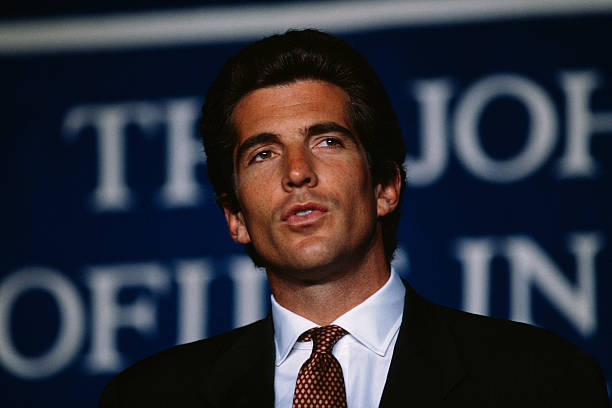
John F. Kennedy Jr., often known as JFK Jr., was one of the most recognizable public figures in the United States. As the only son of President John F. Kennedy and First Lady Jacqueline Kennedy Onassis, he grew up under intense public attention from the moment he was born. Although his family name opened many doors, JFK Jr. worked to build his own identity through education, law, publishing, and public service.
Throughout his life, he became known for his intelligence, charm, and commitment to making a positive impact. Rather than entering politics immediately like many expected, he chose a different path by becoming a lawyer and later launching George magazine, a publication that combined politics with popular culture in a fresh and engaging way. His career reflected his interest in public affairs while allowing him to create something uniquely his own.
Despite living a life filled with opportunity, JFK Jr. also faced personal challenges and immense public scrutiny. His tragic death in a plane crash in 1999 shocked the nation and brought renewed attention to the enduring legacy of the Kennedy family. More than two decades later, people continue to search for information about his childhood, education, career, marriage, estimated net worth, and the circumstances surrounding his untimely death.
This biography explores the remarkable life of JFK Jr., from his early years in the White House to his achievements as an attorney, journalist, and magazine publisher. It also examines his family background, relationship with Carolyn Bessette Kennedy, professional accomplishments, and the lasting influence he continues to have on American history and popular culture.
Who Was JFK Jr.?
John Fitzgerald Kennedy Jr., widely known as JFK Jr., was an American attorney, magazine publisher, journalist, and member of the famous Kennedy family. He was born on November 25, 1960, in Washington, D.C., just weeks after his father, President John F. Kennedy, won the 1960 U.S. presidential election.
Growing up in one of America’s most influential political families, JFK Jr. spent the first years of his life in the White House before his father’s assassination in 1963 changed the course of his family’s history. Images of the young boy saluting his father’s casket during the funeral became one of the most memorable moments in American history and remain deeply associated with his public image.
As an adult, JFK Jr. chose to pursue a legal career before entering the publishing industry. In 1995, he founded George magazine, an innovative publication that presented politics in a style similar to lifestyle and entertainment magazines. His work earned praise for making political discussions more accessible to younger readers.
Although many people believed he might eventually run for public office, JFK Jr. never officially entered electoral politics. Instead, he focused on law, publishing, charitable work, and promoting civic engagement.
Today, he is remembered not only as the son of an American president but also as a respected professional who sought to create his own legacy while honoring his family’s commitment to public service.
Early Life and Childhood
JFK Jr. was born at Georgetown University Hospital in Washington, D.C., during one of the most significant periods in modern American political history. His birth attracted widespread media attention because his father had just been elected the 35th President of the United States.
He spent the early years of his childhood in the White House alongside his older sister, Caroline Kennedy. Their parents worked hard to provide a loving family environment despite the demands of public office. Photographs of the young John playing under the Resolute Desk in the Oval Office became iconic images that symbolized a young family living in the White House.
His childhood changed forever on November 22, 1963, when President John F. Kennedy was assassinated in Dallas, Texas. Just three days later, on his third birthday, JFK Jr. stood beside his mother and sister during the funeral procession and saluted his father’s casket. The emotional moment was captured by photographers and became one of the defining images of American history.
Following the assassination, Jacqueline Kennedy focused on giving her children as normal an upbringing as possible. The family later moved to New York City, where JFK Jr. spent most of his childhood away from Washington’s political environment.
Although he grew up surrounded by fame and public interest, friends and teachers often described him as friendly, polite, adventurous, and determined. His mother encouraged him to value education, kindness, and independence rather than relying solely on his famous family name.
These early experiences helped shape the confident and compassionate personality that later defined his public and professional life.
Date of Birth, Age, and Quick Facts
John Fitzgerald Kennedy Jr. was born on November 25, 1960, in Washington, D.C., United States.
At the time of his tragic death on July 16, 1999, he was 38 years old.
Throughout his life, he was known by several names, including John F. Kennedy Jr., JFK Jr., and the childhood nickname “John-John,” although members of his family later explained that the nickname became popular because of a misunderstanding in media reporting.
Some of the most notable facts about JFK Jr. include:
- Full Name: John Fitzgerald Kennedy Jr.
- Known As: JFK Jr.
- Date of Birth: November 25, 1960
- Place of Birth: Washington, D.C., United States
- Nationality: American
- Profession: Attorney, journalist, magazine publisher
- Years Active: 1980s–1999
- Date of Death: July 16, 1999
- Age at Death: 38 years
His combination of political heritage, professional accomplishments, and enduring public popularity continues to make him one of the most searched members of the Kennedy family.
Parents and the Kennedy Family Legacy
JFK Jr. was born into one of the most influential families in American history. His father, John F. Kennedy, served as the 35th President of the United States from 1961 until his assassination in 1963. President Kennedy remains one of the country’s most admired political leaders because of his leadership during the Cold War, his support for the space program, and his vision for public service.
His mother, Jacqueline Kennedy Onassis, was celebrated worldwide for her elegance, intelligence, and dedication to preserving American history and culture. As First Lady, she restored the White House and promoted arts and education. After President Kennedy’s death, she devoted herself to raising her children while protecting them from excessive public attention.
The Kennedy family had already established a reputation for public service long before JFK Jr. was born. Several members held important political offices, including senators, ambassadors, and attorneys general. Because of this remarkable history, many Americans believed JFK Jr. would eventually continue the family’s political tradition.
Although he respected his family’s legacy, he chose to build his own professional identity through law and publishing instead of immediately seeking elected office. Even so, his connection to the Kennedy family remained an important part of his public image throughout his life.
Siblings and Family Relationships
JFK Jr. had one older sister, Caroline Kennedy, who has enjoyed a distinguished career in public service, diplomacy, and writing. The two siblings shared a close relationship throughout their lives, particularly after the loss of their father at a young age.
Jacqueline Kennedy worked hard to create a stable home for Caroline and John, encouraging them to support each other through both joyful and difficult moments. Family members often recalled that the siblings maintained a strong bond despite growing up under constant media attention.
JFK Jr. also experienced profound family losses during his lifetime. His younger brother, Patrick Bouvier Kennedy, was born prematurely in August 1963 and died just two days after birth. Although John was very young at the time, Patrick remained an important part of the Kennedy family’s history.
As adults, Caroline and John continued to share family responsibilities and participated together in charitable events, memorial ceremonies, and projects honoring their parents’ legacy. Their close relationship reflected the values of loyalty and family that Jacqueline Kennedy emphasized throughout their upbringing.
Education and Academic Journey
Education played a central role in JFK Jr.’s development. Following his childhood in New York City, he attended several respected schools that helped prepare him for a successful professional career.
He later enrolled at Brown University, one of the nation’s leading Ivy League institutions. In 1983, he graduated with a Bachelor of Arts degree in American Studies, a field that reflected his interest in history, politics, and American culture.
After completing his undergraduate education, JFK Jr. explored acting and public service before deciding to pursue a legal career. He enrolled at the New York University School of Law, where he worked diligently to earn his law degree.
Although he faced challenges while preparing for the New York bar examination, he remained determined and eventually passed the exam on his third attempt. His perseverance demonstrated that he was willing to overcome setbacks through hard work rather than relying on his family name.
Completing law school marked an important milestone in his life and laid the foundation for his career as an attorney. His legal education also strengthened the communication, analytical, and leadership skills that later proved valuable when he founded George magazine and became an influential voice in American media.
How JFK Jr. Built His Career?
After completing his education, JFK Jr. focused on creating a career based on his own abilities rather than relying on the reputation of the Kennedy family. Although many people expected him to enter politics, he initially chose a different path by pursuing law and public service.
In the late 1980s, he worked as an assistant district attorney in New York City. During this time, he prosecuted criminal cases and gained practical courtroom experience. Colleagues described him as hardworking, respectful, and committed to treating people fairly. His role allowed him to contribute to the justice system while developing the legal skills that would later benefit his publishing career.
Despite his success in law, JFK Jr. was also interested in journalism, media, and civic engagement. He believed that politics should be easier for everyday Americans to understand and that younger generations deserved a more engaging way to learn about public affairs. This vision inspired him to move beyond the courtroom and into the world of publishing.
Throughout the 1990s, he became a familiar face at charitable events, public discussions, and cultural gatherings. His confidence, professionalism, and approachable personality helped him build a respected public image that extended far beyond his famous last name.
Rather than following a traditional political career, JFK Jr. successfully combined his interests in law, media, and public service to create a unique professional identity. His willingness to take a different path demonstrated both independence and creativity, qualities that became defining features of his career.
George Magazine and His Vision for Modern Journalism
One of the most significant achievements of JFK Jr.’s career was the creation of George magazine in 1995. As the founder and editor-in-chief, he introduced a fresh publishing concept that blended politics with popular culture, making political news more appealing to a broader audience.
At the time, many political magazines were written primarily for readers who closely followed government and public policy. JFK Jr. believed politics affected everyone and should be presented in a way that was interesting, accessible, and visually engaging. His goal was to encourage more people, especially younger readers, to become interested in current events.
The magazine quickly attracted national attention because of its creative design, high-profile interviews, and unique cover stories. It featured politicians, celebrities, business leaders, and public figures, often presenting them in unexpected ways that encouraged readers to think differently about politics.
One of George magazine’s defining characteristics was its ability to connect entertainment with civic life without losing journalistic credibility. Under JFK Jr.’s leadership, the publication explored important national issues while maintaining a modern and approachable style.
Although the magazine eventually ceased publication after his death, George remains one of JFK Jr.’s most lasting professional accomplishments. Many media experts believe it influenced later publications that combined politics, culture, and lifestyle reporting in similar ways.
Today, George magazine continues to be remembered as an innovative project that reflected JFK Jr.’s creativity, leadership, and desire to make political conversations more inclusive.
Was JFK Jr. a Lawyer? His Legal Career Explained
Yes, JFK Jr. was a qualified lawyer who earned his law degree from the New York University School of Law. While his legal education received considerable public attention because of his family background, he approached the profession with determination and professionalism.
After graduating from law school, he successfully passed the New York State Bar Examination and began working as an assistant district attorney in Manhattan. His responsibilities included prosecuting criminal cases, preparing legal arguments, and working closely with law enforcement officials.
His legal career demonstrated that he wanted to establish himself through merit rather than political influence. Although his famous surname often attracted media coverage, those who worked alongside him frequently praised his preparation, work ethic, and respectful attitude.
Even after moving into publishing, his legal training remained valuable. It strengthened his analytical thinking, decision-making, and communication skills, all of which contributed to his success as the founder of George magazine.
While JFK Jr. ultimately became better known as a magazine publisher than as an attorney, his years practicing law formed an important chapter of his professional life and reflected his commitment to public service.
Business Ventures and Professional Achievements
Although George magazine was his best-known business venture, JFK Jr.’s professional accomplishments extended beyond publishing. He demonstrated strong leadership by building a nationally recognized publication in an industry that was already highly competitive.
Launching a new magazine required securing investors, assembling an experienced editorial team, attracting advertisers, and developing a clear editorial vision. JFK Jr. successfully managed these responsibilities while serving as the public face of the publication.
His ability to combine business management with editorial leadership earned respect throughout the publishing industry. He encouraged creative storytelling, thoughtful political discussion, and high editorial standards, helping George establish its own identity in the marketplace.
Beyond business, JFK Jr. remained actively involved in charitable organizations and public initiatives. He supported programs related to education, civic participation, and community service, continuing the Kennedy family’s long tradition of giving back to society.
His achievements demonstrated that he was much more than a celebrity or the son of a former president. He built a respected professional career through persistence, creativity, and a genuine desire to inform and engage the public.
Awards, Recognition, and Public Influence
Unlike many public figures, JFK Jr. was not known for collecting large numbers of formal awards. Instead, his influence came from the respect he earned through his professionalism, public service, and contributions to journalism.
Throughout the 1990s, he was frequently recognized as one of America’s most admired public personalities. Newspapers and magazines often highlighted his intelligence, charisma, and commitment to meaningful work. He became a symbol of a new generation of the Kennedy family while maintaining an image of humility and approachability.
His greatest recognition arguably came from the trust and admiration of the American public. Many people appreciated the way he balanced a famous family legacy with his own independent career. Rather than seeking political office simply because of his name, he chose projects that reflected his personal interests and values.
Following his death in 1999, tributes poured in from political leaders, journalists, business executives, and ordinary citizens around the world. Many praised his kindness, optimism, and belief that informed citizens could strengthen democracy.
Today, historians and biographers continue to view JFK Jr. as one of the most influential members of the Kennedy family outside of elected office. His work in publishing and his commitment to civic engagement remain an important part of his legacy.
Estimated Net Worth and Financial Legacy
Because JFK Jr. never publicly disclosed his complete financial information, there is no officially verified figure for his personal wealth. As a result, any estimate of his net worth should be viewed as an approximation based on publicly available information rather than a confirmed amount.
At the time of his death in 1999, various reputable publications and financial analysts estimated JFK Jr.’s net worth to be between approximately $30 million and $50 million. This estimated wealth reflected several sources, including family inheritance, investment assets, publishing income, speaking engagements, and other financial interests.
His position as the founder of George magazine also contributed to his professional earnings, although launching and operating a national publication involved significant business expenses. Like many entrepreneurs, his financial success was closely tied to the long-term performance of his business ventures.
In addition to personal assets, JFK Jr. benefited from trusts and family resources associated with the Kennedy family. However, he also earned income through his own legal career and publishing work, demonstrating a commitment to building financial independence.
His financial legacy extends beyond estimated wealth. Through his professional accomplishments, charitable involvement, and innovative approach to journalism, he created a lasting impact that cannot be measured solely in monetary terms. Today, he is remembered not for his fortune, but for the influence he had on American media, public service, and civic engagement.
Love Life Before Marriage
Long before his marriage, JFK Jr.’s personal life attracted significant public attention. As one of America’s most recognizable public figures, he was frequently photographed by the media and often appeared in newspapers and magazines. His popularity, combined with the Kennedy family name, made him one of the country’s most talked-about bachelors during the 1980s and 1990s.
Over the years, he was linked to several well-known women, including celebrities and professionals from different fields. While some of these relationships received widespread media coverage, JFK Jr. generally preferred to keep his private life out of the spotlight whenever possible. Friends and colleagues often described him as respectful, thoughtful, and loyal in his personal relationships.
Despite constant public interest, he rarely discussed his dating life in interviews. Instead, he remained focused on his legal career, charitable activities, and later his work at George magazine. His ability to maintain a degree of privacy despite intense media attention earned him respect from many people who admired the way he handled fame.
His search for a meaningful and lasting relationship eventually led him to Carolyn Bessette, a woman who would become his wife and an important part of his life story.
Marriage to Carolyn Bessette Kennedy
JFK Jr. married Carolyn Bessette on September 21, 1996, in a private ceremony on Cumberland Island, Georgia. The wedding remained a closely guarded secret until after it had taken place, allowing the couple to celebrate the occasion away from the intense media attention that often surrounded them.
Carolyn Bessette worked in the fashion industry and was known for her elegant style and private personality. Before her marriage, she worked as a publicist for Calvin Klein, where she built a successful professional career.
Following their wedding, Carolyn became known as Carolyn Bessette Kennedy. The couple quickly became one of America’s most closely watched pairs, frequently appearing together at charity events, public functions, and social gatherings. Their fashion choices, public appearances, and relationship often attracted extensive coverage in magazines and newspapers.
Although living in the public eye brought challenges, those close to the couple often described them as deeply devoted to one another. Like many married couples, they experienced periods of disagreement and media speculation, but they generally chose not to comment publicly on rumors surrounding their relationship.
Their marriage lasted less than three years before their lives were tragically cut short in the 1999 plane crash.
Did JFK Jr. Have Children?
No, JFK Jr. and Carolyn Bessette Kennedy did not have children.
Throughout their marriage, there was frequent media speculation about whether they planned to start a family. However, neither JFK Jr. nor Carolyn publicly discussed their private family plans in detail.
Because their marriage ended with the tragic plane crash in July 1999, the couple never had the opportunity to raise children together.
Although JFK Jr. had no children of his own, the Kennedy family’s legacy has continued through other relatives, including his sister Caroline Kennedy and later generations of the Kennedy family.
Height, Weight, and Physical Appearance
JFK Jr. was widely admired for his athletic appearance and confident personality. His healthy lifestyle and regular exercise contributed to his image as one of the most recognizable public figures of his generation.
He stood approximately 6 feet 1 inch (185 cm) tall and was reported to weigh around 170–175 pounds (77–79 kg) during most of his adult life. He had brown hair, blue eyes, and a friendly smile that became one of his most recognizable features.
Magazines frequently listed him among America’s most attractive and stylish men. However, those who knew him personally often emphasized that his kindness, confidence, and approachable nature left a stronger impression than his appearance alone.
Personal Interests, Hobbies, and Lifestyle
Outside of his professional responsibilities, JFK Jr. enjoyed an active lifestyle and a variety of personal interests. He believed in maintaining both physical fitness and intellectual curiosity throughout his life.
One of his greatest passions was aviation. After receiving his pilot’s license, he enjoyed flying and viewed it as both a practical skill and a rewarding hobby. Unfortunately, this lifelong interest also became connected to the tragic circumstances of his death.
He also enjoyed outdoor activities such as running, cycling, sailing, skiing, and spending time near the ocean. Friends frequently described him as adventurous and energetic, always willing to try new experiences.
Reading, history, politics, and current affairs remained lifelong interests as well. These passions influenced the editorial direction of George magazine and reflected his desire to encourage informed public discussion.
Despite his high-profile status, JFK Jr. valued close friendships and family relationships. He was known for treating people with warmth and respect regardless of their background or profession.
The Plane Crash That Changed History
On the evening of July 16, 1999, JFK Jr. piloted a Piper PA-32R Saratoga aircraft from New Jersey toward Martha’s Vineyard, Massachusetts. On board were his wife, Carolyn Bessette Kennedy, and her sister, Lauren Bessette.
The flight took place under nighttime conditions with reduced visibility over the Atlantic Ocean. Shortly before reaching Martha’s Vineyard, the aircraft disappeared from radar.
After an extensive search involving the U.S. Coast Guard and other agencies, investigators located the wreckage several days later on the ocean floor.
The investigation conducted by the National Transportation Safety Board (NTSB) concluded that the most likely cause of the accident was pilot spatial disorientation, a condition in which a pilot loses awareness of the aircraft’s position and movement when visual references are limited. Investigators found no evidence of mechanical failure or sabotage.
The accident became one of the most widely reported aviation tragedies in modern American history because of JFK Jr.’s public profile and the nation’s longstanding connection to the Kennedy family.
When and How JFK Jr. Died?
JFK Jr. died on July 16, 1999, at the age of 38.
He died when the small aircraft he was piloting crashed into the Atlantic Ocean during the flight to Martha’s Vineyard. His wife, Carolyn Bessette Kennedy, and her sister, Lauren Bessette, also lost their lives in the accident.
Following the recovery operation, medical examiners confirmed the identities of all three victims. The tragedy shocked millions of people in the United States and around the world.
His death marked another heartbreaking chapter in the history of the Kennedy family, a family that had already experienced several highly publicized tragedies over previous decades.
Although many rumors and conspiracy theories later appeared online, official investigations found no evidence supporting claims beyond the NTSB’s conclusion regarding pilot spatial disorientation.
Funeral, Public Reaction, and National Mourning
The deaths of JFK Jr., Carolyn Bessette Kennedy, and Lauren Bessette prompted an outpouring of grief across the United States.
Political leaders, journalists, celebrities, and ordinary citizens expressed their condolences, remembering JFK Jr. not only as the son of a president but also as a compassionate individual who had built a respected career of his own.
Following family wishes, a private memorial service was held. Their cremated remains were later scattered at sea during a ceremony attended by close relatives and friends.
Newspapers around the world published tributes celebrating his achievements, while television networks devoted extensive coverage to his life and legacy. Many Americans reflected on the symbolic connection between his father’s presidency and his own remarkable journey.
The public response demonstrated how deeply JFK Jr. had become woven into American culture, even though he had never held elected political office.
Why JFK Jr.’s Legacy Still Matters Today?
More than two decades after his death, JFK Jr. remains one of the most remembered members of the Kennedy family.
His legacy extends beyond his famous surname. Through his work as an attorney, magazine publisher, and advocate for civic engagement, he demonstrated that meaningful public service can take many forms.
His creation of George magazine helped reshape the way political journalism reached younger audiences. His legal career reflected his commitment to justice, while his charitable work showed a continued dedication to helping others.
Many historians believe that had he lived longer, JFK Jr. might have pursued an even greater role in public life. Although history can never answer that question, his accomplishments continue to inspire interest among readers, researchers, and admirers.
Today, his life story serves as both a reminder of extraordinary opportunity and the importance of building one’s own identity through hard work, integrity, and service.
Interesting Facts About JFK Jr.
One of the most memorable moments of JFK Jr.’s childhood occurred on his third birthday when he saluted his father’s casket during President Kennedy’s funeral procession, creating one of the most iconic photographs in American history.
He graduated from Brown University before earning a law degree from New York University School of Law and eventually becoming a licensed attorney.
Rather than immediately entering politics, he chose to build a career in law and publishing, founding the influential George magazine in 1995.
Although often referred to as “John-John,” members of the Kennedy family explained that this nickname was popularized by the media and was not commonly used within the family itself.
Even decades after his passing, JFK Jr. continues to be the subject of biographies, documentaries, historical research, and public interest around the world.
Conclusion
JFK Jr. lived a life shaped by both extraordinary privilege and significant personal challenges. As the son of President John F. Kennedy, he grew up under constant public attention, yet he worked hard to establish his own reputation through education, law, journalism, and publishing. From serving as an attorney to founding the innovative George magazine, he demonstrated a genuine commitment to public engagement and thoughtful leadership.
Although his life ended tragically in 1999, his influence continues to endure. His story reflects resilience, ambition, and a desire to contribute to society on his own terms rather than simply relying on the Kennedy family name. Today, JFK Jr. remains an enduring symbol of optimism, public service, and the lasting legacy of one of America’s most remarkable families.
FAQs
Who was JFK Jr.?
JFK Jr., whose full name was John Fitzgerald Kennedy Jr., was an American attorney, magazine publisher, journalist, and the only son of President John F. Kennedy and Jacqueline Kennedy Onassis.
How did JFK Jr. die?
He died in a plane crash over the Atlantic Ocean on July 16, 1999, while flying to Martha’s Vineyard. The official investigation concluded that the accident resulted from pilot spatial disorientation.
How old was JFK Jr. when he died?
He was 38 years old.
Who were JFK Jr.’s parents?
His parents were President John F. Kennedy, the 35th President of the United States, and former First Lady Jacqueline Kennedy Onassis.
Who was JFK Jr.’s wife?
His wife was Carolyn Bessette Kennedy. They were married on September 21, 1996.
Did JFK Jr. have children?
No. JFK Jr. and Carolyn Bessette Kennedy did not have any children.
What was JFK Jr.’s estimated net worth?
Although no official figure was ever confirmed, his estimated net worth at the time of his death is commonly reported to have been between $30 million and $50 million.
What was George magazine?
George was a political and lifestyle magazine founded by JFK Jr. in 1995. It aimed to make politics more engaging and accessible to a wider audience by combining public affairs with popular culture.
Where did JFK Jr. study?
He graduated from Brown University with a degree in American Studies and later earned his law degree from New York University School of Law.
Why is JFK Jr. still remembered today?
He is remembered for his dedication to public service, his successful legal and publishing career, his role in one of America’s most influential families, and the lasting impact of his life and legacy.
