

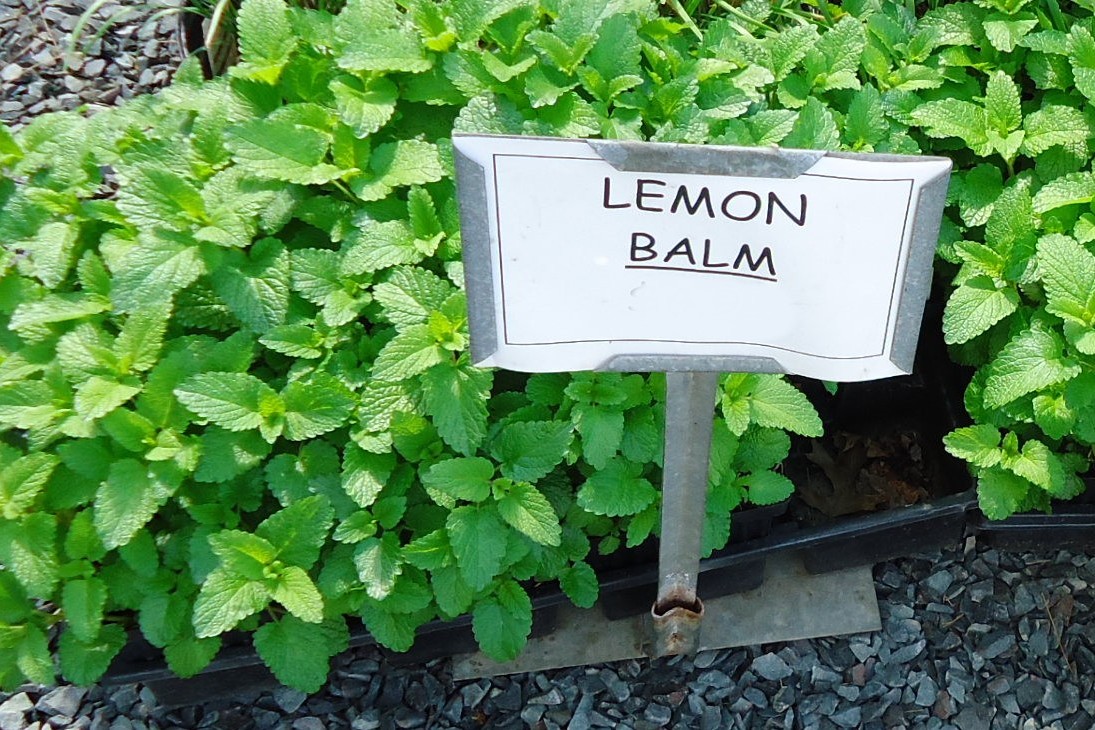
Lemon balm benefits are real but modest, and that honest picture is more useful than the glowing claims on supplement bottles. Lemon balm, or Melissa officinalis, is a lemon-scented herb from the mint family, used for centuries as a calming tea, a sleep aid, a digestive remedy, and a skin treatment for cold sores. Modern research supports some of those uses, but the studies are mostly small, and many tested standardised extracts rather than an ordinary cup of tea. This guide covers what it is, what the science says about its six best-known benefits, how to use it safely, and what it cannot do.
What Is Lemon Balm?
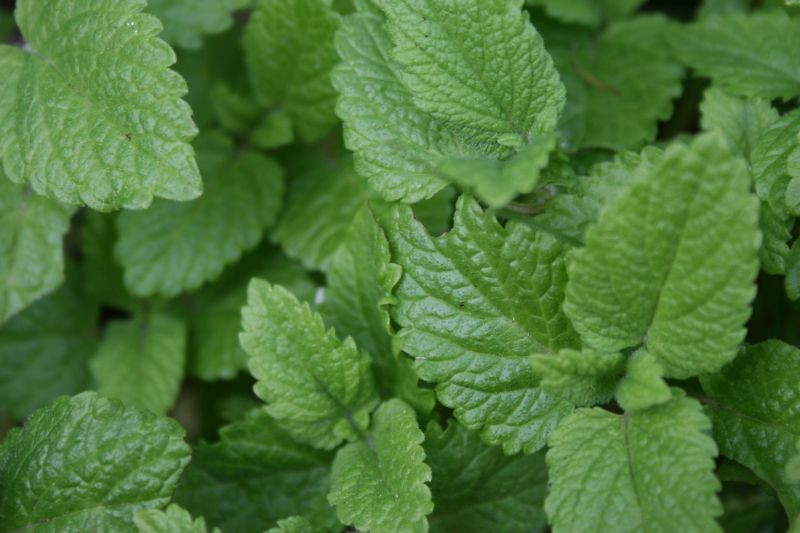
Lemon balm is a perennial herb in the mint family, Lamiaceae, with the scientific name Melissa officinalis. Native to southern Europe and Central Asia, it now grows worldwide. It grows bushy and upright to about one metre, with heart-shaped leaves two to eight centimetres long. Its leaves are rough, veined, and softly hairy, with scalloped edges and a mild lemon scent.
Melissa comes from the Greek word for honey bee, and officinalis refers to its apothecary use. People have used lemon balm for more than two thousand years: the Greek writer Theophrastus mentioned it around 300 BC, and it grew in the herbal garden of the English botanist John Gerard in the 1590s. Today you will find it as a tea, a capsule, a tincture, an essential oil, and a cream. It is often confused with lemongrass, a tropical grass with a much stronger citrus flavour, and with bee balm, which belongs to a different genus. When you buy it, check that the label says Melissa officinalis.
What Is Inside Lemon Balm Leaves?
The effects people report come from the mix of compounds in its leaves. The most studied is rosmarinic acid, a polyphenol also found in rosemary. The leaves also contain citral, citronellal, eugenol, tannins, and flavonoids.
Laboratory work suggests lemon balm can raise levels of GABA, a calming brain chemical, by slowing the enzyme that breaks it down. That may explain the calming reputation, but it is test-tube and animal evidence, not proof about tea. A 2024 Nutrients review called it a promising calming agent, while noting that stronger trials are still needed.
Lemon Balm Benefits
May Help Calm Stress And Anxiety
This is its best-known use, and the evidence is encouraging but modest. A 2021 systematic review pooling six small randomised trials reported modest reductions in anxiety, with no serious side effects noted. The trials were small and varied, so this is a signal, not a settled fact. Cleveland Clinic physician Dr. Manjaree Daw puts it practically: for mild anxiety or a stressful situation, lemon balm may help, but herbs are not a long-term treatment for serious anxiety. An anxiety disorder needs proper care; lemon balm should never delay it.
May Support Better Sleep
Lemon balm is often used as a gentle sleep aid, usually as an evening tea, and is frequently combined with valerian in sleep products. The same small trials that found calmer mood also reported better sleep, and the 2024 Nutrients review noted that lemon balm can improve sleep quality. Dr. Daw notes it could help occasional sleeplessness linked to mild anxiety, without the next-day grogginess of some sleeping pills. If you consistently struggle to sleep, talk to your doctor.
May Ease Mild Digestive Discomfort
Lemon balm has a long traditional use for the stomach, and there is some research behind it. Cleveland Clinic reports that some studies suggest the herb can help calm spasms or colic in the gut, easing mild troubles such as bloating, gas, and indigestion. Health Canada lists its traditional use for mild digestive troubles such as bloating and flatulence. For an occasional unsettled stomach, a cup of tea is a reasonable choice. For ongoing digestive problems, see a physician to find the cause.
May Help Cold Sores Heal Faster
This is the benefit with the clearest trial support, and it works differently: it is used on the skin, not swallowed. Laboratory studies show antiviral activity against the herpes simplex virus that causes cold sores. In human trials, a cream containing lemon balm extract cleared cold sores faster than a placebo, and there is evidence it can extend the time between outbreaks. The cream is applied at the first sign of tingling, several times a day. If you use the essential oil instead, always dilute it in a carrier oil such as sweet almond or coconut oil, because full-strength oil can irritate the skin.
May Support Memory And Focus
The evidence here comes from a small but well-designed study. In 2003, Northumbria University researchers gave twenty healthy young adults single doses of 600, 1,000, or 1,600 milligrams of dried lemon balm leaf, or a placebo, in a randomised, double-blind crossover trial. The highest dose improved memory performance and increased feelings of calmness at every measurement point. Results from one small study do not prove a general brain-boosting effect. Try a cup of tea when you need to focus, but treat it as a gentle aid, not a proven enhancer.
May Lift Low Mood
There is early evidence that lemon balm may help with mild low mood. Cleveland Clinic notes research suggesting it may improve depression symptoms versus placebo, and an animal study found it raised serotonin, a mood-related brain chemical. A small 2020 pilot study compared lemon balm and lavender with the antidepressant fluoxetine, but pilots test whether a larger trial is worthwhile; they do not prove a treatment works. The honest summary is that lemon balm shows promise for mild, short-term low mood, but it is not a treatment for depression. If low mood persists, seek medical care.
How To Use Lemon Balm: Tea, Capsules And Creams
The most common way to use lemon balm is as a tea. Pour hot water over one to two teaspoons of dried leaves and steep for five to ten minutes. Cleveland Clinic notes that one or two cups a day is likely safe for most adults.
Capsules and tinctures are the forms most often used in research, generally at standardised extracts of 300 to 600 milligrams a day. These are research amounts, not a personal recommendation: follow the package directions, and talk to your doctor first if you have a health condition or take medication. The stronger trial results usually came from standardised extracts, not from tea. For cold sores, look for a cream containing lemon balm extract and apply it at the first tingle, choosing a reputable brand and checking the label for Melissa officinalis.
Lemon Balm Side Effects And Safety: Who Should Be Careful
Lemon balm is generally well tolerated, especially as a tea in normal amounts, and it has been used safely in research for up to four months. But there are no studies on the safety of long-term use. Side effects are uncommon and usually mild: nausea, stomach pain, dizziness, headache, wheezing, and increased appetite.
Some people should be more careful. Lemon balm can add to drowsiness, so it may increase the effect of sedative medicines, sleeping pills, and alcohol, and you should be cautious about driving after a large amount. Laboratory studies suggest it may interfere with thyroid hormone, so people with a thyroid condition or on thyroid medication should talk to their doctor first. It may also lower blood sugar, which matters if you take diabetes medication. Safety in pregnancy and breastfeeding is not established, so ask a healthcare professional before using medicinal amounts.
How To Grow Lemon Balm At Home
Lemon balm is one of the easiest herbs to grow, and fresh leaves make the best tea. It is a hardy perennial that prefers rich, moist soil and sun or part shade. It spreads fast, so most people grow it in a pot. Harvest the leaves before the plant flowers, when they are most aromatic.
What Lemon Balm Cannot Do: The Honest Limits
Lemon balm is a gentle herb, and gentle is both its strength and its limit. It cannot treat anxiety disorders, depression, insomnia, or Alzheimer’s disease. The Alzheimer’s evidence is one small four-month trial of a standardised extract, which found less agitation and better scores in mild to moderate disease. That is interesting, not conclusive.
Most positive results come from standardised extracts at controlled doses, not from cups of tea. Tea is pleasant, cheap, and low-risk, but it is a weaker dose, so do not expect trial-level results from it. Claims that it detoxes the body or burns fat have no support at all.
Conclusion: A Gentle Herb With Modest, Honest Benefits
Lemon balm benefits are best described as modest and specific. It may take the edge off mild stress and help you sleep a little better, it may soothe an unsettled stomach, and a cream made from it can help cold sores heal faster. Those are useful effects from a pleasant, inexpensive, caffeine-free herb. But the evidence is still thin: small trials and results mostly from extracts, not tea. Use it as a small, calming habit, and get medical help for anything serious.
Disclaimer: This article is for general information only and is not medical advice. Lemon balm is a herbal product, not a proven treatment for any condition. It can cause side effects and interact with medicines, including sedatives, thyroid medicines, and diabetes medicines. Talk to a doctor before using it in medicinal amounts, especially if you are pregnant or breastfeeding, have a health condition, or take regular medication. Seek medical care if anxiety, low mood, or sleep problems persist or interfere with daily life.
Frequently Asked Questions About Lemon Balm Benefits
Can I Drink Lemon Balm Tea Every Day?
One or two cups a day is likely safe for most healthy adults, according to Cleveland Clinic. Long-term safety is unknown, because no studies have looked at daily use over many months. If symptoms have not improved after a week or two, stop and talk to your doctor.
Is Lemon Balm Safe For Children?
Lemon balm tea in normal food amounts is generally considered mild, and a combination product of lemon balm and valerian has been used in children under twelve for about a month in research. Safety data for children is limited, so ask a paediatrician first.
Does Lemon Balm Interact With Thyroid Medication?
It may do. Lab studies suggest it can interfere with thyroid hormone activity, and reference sources list a possible interaction with thyroid medicines. If you take thyroid medication or have a thyroid condition, ask your doctor before using it regularly.
Can Lemon Balm Replace My Anxiety Medication?
No. Lemon balm may help with mild, short-term stress, but it is not a substitute for prescribed anxiety medication or therapy. Never stop a prescribed medicine to replace it with a herb.
Is Lemon Balm The Same As Lemongrass?
No. Lemon balm is a leafy mint-family herb, Melissa officinalis, with soft, heart-shaped leaves and a gentle lemon scent. Lemongrass is a tall tropical grass with a much stronger citrus flavour, used widely in South-East Asian cooking. They are different plants, so check the label when you buy either one.
How Long Does Lemon Balm Take To Work?
For a single cup of tea, any calming effect is usually felt within an hour or so, and it is mild. In research with standardised extracts, benefits generally appeared over one to four weeks of regular use. If you notice nothing after a couple of weeks, it is probably not the right remedy for you.
