

Iceland solo travel is one of the easiest and most rewarding ways to see the country. Iceland is small, peaceful, and built for independent travellers: one main road circles the whole island, English is widely spoken, and the biggest risks come from weather and nature rather than from other people. Here is what first-time solo travellers need to know.
Is Iceland Safe For Solo Travel?
Yes. Iceland has held the top spot on the Global Peace Index for many years; in the 2025 findings, the five most peaceful countries were Iceland, Ireland, New Zealand, Austria, and Switzerland. The US State Department rates Iceland Level 1, Exercise Normal Precautions, its lowest advisory level, in an advisory issued on May 14, 2026. Violent crime against visitors is rare, and travel-safety guides rate the risk to women travelling alone as low.
The real dangers are natural: weather that changes in minutes, strong wind, icy roads, powerful ocean waves, and geothermal ground that can burn. Save 112 in your phone — Iceland’s emergency number for police, fire, and medical help. Check vedur.is and road.is before every drive, and log longer hikes on the SafeTravel.is app. Stay well back from the water at Reynisfjara beach, where sneaker waves are a real danger, and never walk on a glacier without a guide.
Do US Citizens Need A Visa For Iceland?
US citizens do not need a visa to visit Iceland for tourism, as long as the stay is no longer than 90 days within any 180-day period. Iceland is part of the Schengen Area, so those 90 days are counted across all Schengen countries combined, not per country. Your US passport must be valid for at least three months beyond your departure date, issued within the previous ten years, and have at least two blank pages. Border officers can also ask for proof of onward travel and enough funds for your stay.
One change is coming, but it is not in effect yet. ETIAS, the European Travel Information and Authorisation System, is a planned online pre-travel authorisation for visa-exempt visitors, including US citizens. Check the official ETIAS and Icelandic immigration pages shortly before you travel.
When Is The Best Time To Visit Iceland Alone?
There is no single best month. Summer, from June to August, is the easiest season for a first solo trip. Daylight lasts up to 24 hours around the solstice, with about 21 hours in Reykjavik, and temperatures are usually between 10 and 15 degrees Celsius. The trade-off is price: summer brings the highest rates and the most visitors.
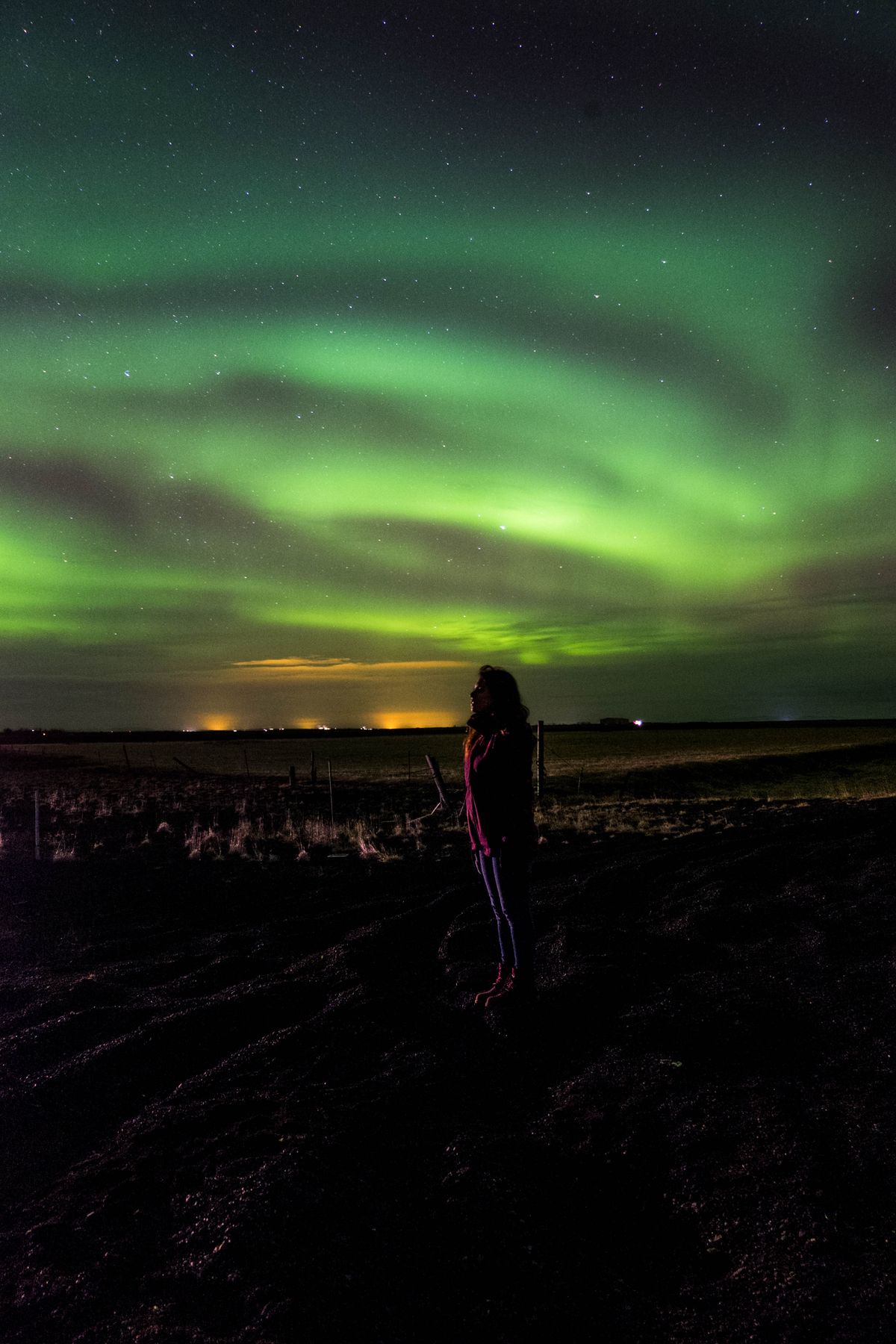
The shoulder seasons, April to May and September to October, are the balanced choice. Crowds thin out, prices usually drop, and the roads are mostly in good shape. September and October also bring the first realistic chance of seeing the Northern Lights.
Winter, from November to March, is the most dramatic and the most demanding. Daylight shrinks to as little as four to five hours around the solstice, temperatures sit roughly between minus 3 and 3 degrees Celsius, and storms can close roads with little warning. The dark-sky window for the Northern Lights runs roughly from mid-August to late April, so do not plan a summer trip around them — the sky is too bright from May to July. The lights are never guaranteed, so allow several nights if they are the main reason for your trip.
How To Get Around Iceland Solo
A rental car is the best way to see Iceland alone, because it gives you freedom over timing and stops that buses and tours cannot match. The Ring Road, known as Route 1, loops around the entire country for about 1,332 kilometres, or 828 miles, and links almost every major sight. Allow seven to ten days for the loop, so you can actually stop, walk, and rest.
A small two-wheel-drive car is enough for the Ring Road and the Golden Circle in summer, when the roads are paved and in good condition. In winter, or for the mountain F-roads, you need a four-wheel-drive vehicle — F-roads legally require one, and they open only in summer. Book early in peak season.
Icelandic driving has a few rules worth learning first. Headlights must be on at all times, day and night, all year. Speed limits are 90 kilometres per hour on paved roads, 80 on gravel, and 50 in built-up areas. Never stop on the road to take a photo — use a marked pull-off, because sudden stops are a common cause of accidents involving visitors. Fill the tank whenever it drops below half, because fuel stations can be far apart in the east and north.
If you would rather not drive, Reykjavik has a city bus network run by Straeto, and the Flybus connects Keflavik International Airport with the capital. Day tours from Reykjavik cover the Golden Circle, the South Coast, and Northern Lights hunting, and small-group tours aimed at solo travellers run in summer and winter.
Where To Stay As A Solo Traveller In Iceland
Accommodation is the biggest single cost for one person, because a room costs the same whether one person or two sleeps in it. Hostels are the best-value choice: dorm beds are the cheapest beds in the country, and many hostels also have private rooms and kitchens where you can cook. Guesthouses — often family-run, sometimes with breakfast included — are common in smaller towns along the Ring Road. Hotels in Reykjavik and larger towns are comfortable but expensive, especially in summer. Campsites are the cheapest option, and a campervan combines transport and a bed in one booking.
What Does Iceland Solo Travel Cost?
Iceland is one of the most expensive countries in Europe to visit, and travelling alone makes it dearer, because you cannot split the car or the room. A realistic budget for one person, excluding flights, is about 110 to 150 US dollars a day on a careful backpacker budget — hostel bed, supermarket food, and buses — and about 250 to 400 dollars a day at a mid-range level, with a guesthouse, some restaurant meals, a rental car, and one or two tours.
A hostel dorm bed costs about 40 to 75 dollars a night, while a guesthouse double room runs about 130 to 220 dollars. An economy two-wheel-drive rental costs about 50 to 90 dollars a day off-season and 100 to 160 dollars a day in June to August; a four-wheel-drive SUV costs about 130 to 180 dollars off-season and 190 to 320 dollars at peak. Since January 1, 2026, rental cars also carry a per-kilometre road charge on top of the daily rate, so confirm the current charge when you book.
Food is where you can save the most. Groceries from the discount chains Bonus and Kronan cost about 20 to 35 dollars a day per person if you cook for yourself, while a sit-down restaurant main course is usually 30 to 55 dollars and a coffee is about 4.50 to 6 dollars. Cards are accepted almost everywhere, so you rarely need much cash.
A Simple 7-Day Iceland Solo Travel Itinerary
This route follows the Ring Road from Reykjavik and suits a first solo trip in summer or the shoulder seasons.
- Day 1: Arrive at Keflavik Airport, collect your car, and settle into Reykjavik. Walk the harbour and buy groceries.
- Day 2: Drive the Golden Circle — Thingvellir National Park, the Geysir geothermal area, and Gullfoss waterfall. Stay overnight in the south.
- Day 3: Follow the South Coast to Seljalandsfoss and Skogafoss waterfalls, then on to the black sand beach at Reynisfjara. Stay near Vik.
- Day 4: Continue east to the Jokulsarlon glacier lagoon and Diamond Beach, where ice washes up on black sand. Stay near Hofn.
- Day 5: Slow down. Explore the East Fjords at your own pace, or retrace the South Coast with stops you skipped.
- Day 6: Drive back west along the South Coast, stopping at anything you missed, and return to Reykjavik by evening.
- Day 7: Soak in the Blue Lagoon or Sky Lagoon, then return the car at Keflavik.
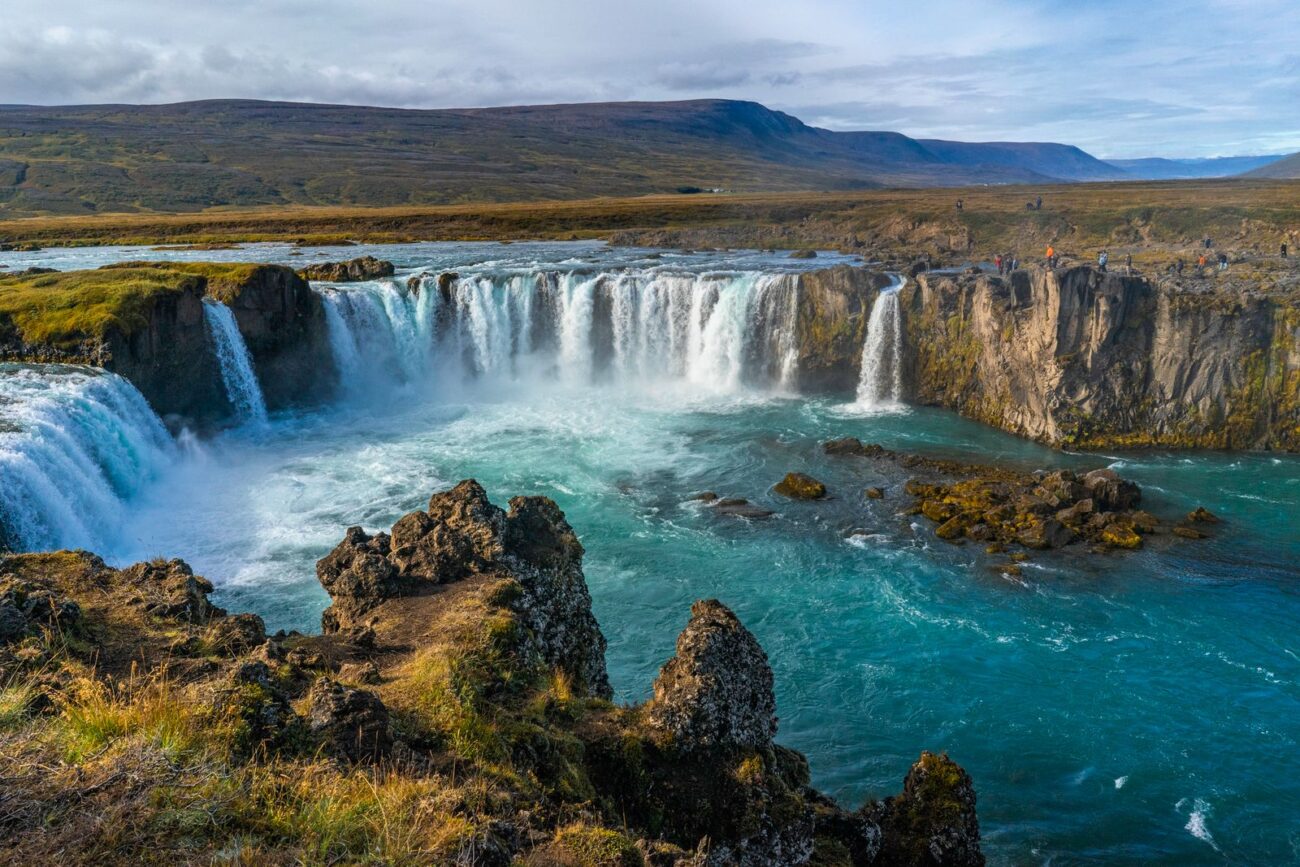
With ten days, continue the full Ring Road through the north, including Akureyri and Godafoss. In winter, shorten the route and base yourself in Reykjavik with day tours.
What To Pack For Iceland Solo Travel
Pack for wind and rain, whatever the forecast says. The essentials are a waterproof jacket and trousers, warm layers you can add or remove, sturdy waterproof walking boots, a hat, and gloves — even in summer. Add a swimsuit for hot springs and lagoons, sunscreen and sunglasses, and a portable charger, because cold weather drains phone batteries quickly. Keep your passport, bookings, and travel insurance details in your carry-on.
Common Mistakes Solo Travellers Make In Iceland
- Underestimating driving times. Distances look short on the map, but bridges, gravel stretches, and photo stops add hours.
- Chasing the Northern Lights in summer. The sky is too bright from May to July, so book between mid-August and late April if the aurora is the goal.
- Stopping on the road for photos. It is dangerous — always use a marked pull-off.
- Ignoring wind warnings. Wind, not snow, causes most driving trouble in Iceland. Check vedur.is every morning.
- Getting too close to the sea at Reynisfjara. Sneaker waves arrive without warning and have killed visitors.
- Walking on a glacier alone. Glaciers hide crevasses, and only a guided tour with proper equipment is safe.
Frequently Asked Questions About Iceland Solo Travel
Do People In Iceland Speak English?
Yes. English is widely spoken across Iceland, especially in Reykjavik and anywhere visitors go, such as hotels, restaurants, tour offices, and fuel stations. Learning a few Icelandic words, such as takk for thank you, is polite but not necessary for getting around.
What Currency Does Iceland Use, And Do I Need Cash?
Iceland uses the Icelandic krona. Cards are accepted almost everywhere, including for small purchases, buses, and parking, so you can manage a whole trip with a card and a backup card kept separately.
Can I Drink The Tap Water In Iceland?
Yes. Icelandic tap water is clean, safe to drink, and famously good-tasting, because it comes from natural springs and glaciers. Bring a reusable bottle and refill it instead of buying bottled water.
Is Tipping Expected In Iceland?
No. Tipping is not part of Icelandic culture, and service is included in restaurant and hotel prices. Staff do not expect a tip, and leaving one is neither required nor rude to skip.
Do I Need Travel Insurance For Iceland Solo Travel?
Yes, it is strongly recommended. Iceland’s medical care is good but expensive for visitors, and a trip interruption, a cancelled flight, or a damaged rental car can cost far more than the insurance premium. Check that your policy covers medical care, trip delays, and any activities you plan, such as glacier hiking, horse riding, or snorkelling.
Conclusion: Is Iceland Solo Travel Worth It?
Iceland solo travel is worth it because the country rewards exactly what travelling alone gives you: freedom. You can wait an extra hour for the light at a waterfall, skip a stop that does not interest you, and change the whole day’s plan when the weather turns. It is also one of the safest places to do it. The costs are real, and the weather will test you, but a careful plan — the right season, a realistic budget, daily weather checks, and bookings made in advance — turns a daunting trip into a straightforward one. Go in summer for the easiest first trip, or in the dark months for the Northern Lights, and let Iceland set the pace.
