


Self care ideas do not have to be expensive or complicated. At its simplest, self care means doing small, deliberate things that look after your physical health, your mood, and your relationships — and doing them regularly enough that they actually help. A ten-minute walk, a proper night’s sleep, a phone-free evening, or an honest conversation with a friend all count. This guide gathers practical ideas across four areas — body, mind, emotions, and connection — so you can pick two or three that fit your real life.
What Self Care Really Means
Self care is often pictured as spa days and scented candles, but that image misses the point. Real self care is maintenance: the everyday habits that keep you steady — sleeping enough, moving your body, eating reasonably well, noticing how you feel, and saying no when you are overloaded.
It is also personal. What restores one person can drain another: an introvert may recharge with an hour alone and a book, while an extrovert may feel better after a long call with a friend. The test is simple — after the activity, do you feel a little calmer or more rested than before? If so, it is working as self care for you.
Self care is also not a reward you earn only after finishing everything else. If it always comes last, it never happens — treat a few small habits as fixed parts of the day, like brushing your teeth.
Self Care Ideas For Your Body
Your body is the foundation of everything else. When you are tired, hungry, or stiff from sitting all day, even small problems feel bigger. These ideas are deliberately modest, because a habit you can repeat beats an ambitious plan you abandon.
Move A Little Every Day
You do not need a gym membership or an hour-long workout to look after your body. A brisk walk counts, and it is one of the easiest self care ideas to start today — walk after lunch, take the stairs, or stretch for five minutes while the kettle boils. The point is regular movement, not intensity.
The Centers for Disease Control and Prevention advises adults to aim for at least 150 minutes of moderate-intensity aerobic activity a week — for example, 30 minutes on five days — plus muscle-strengthening activities on at least two days a week. If you currently move very little, a daily ten-minute walk is a strong beginning.
Protect Your Sleep
Sleep is one of the most powerful self care habits, and one of the easiest to neglect. The Centers for Disease Control and Prevention notes that most adults need at least 7 hours of sleep each night, and it recommends going to bed and getting up at the same time each day, including on weekends.
A short wind-down routine helps too. Put screens away for the last half hour before bed, dim the lights, and do something calm — read a few pages or stretch gently. Keep the bedroom cool, dark, and quiet, and avoid caffeine late in the day. If sleep problems continue for weeks, speak to a clinician rather than trying to fix them alone.
Eat And Drink With Care
Self care at mealtimes is less about strict rules and more about paying attention. Drink water regularly through the day, eat meals sitting down when you can, and notice when you are actually hungry or full. Adding one nourishing food — a vegetable with lunch, fruit with breakfast — is usually more sustainable than cutting out whole food groups at once.
Self Care Ideas For A Calmer Mind
A calm mind is not an empty mind. It is a mind that has had a chance to pause and rest from constant input.
Try A Short Daily Pause
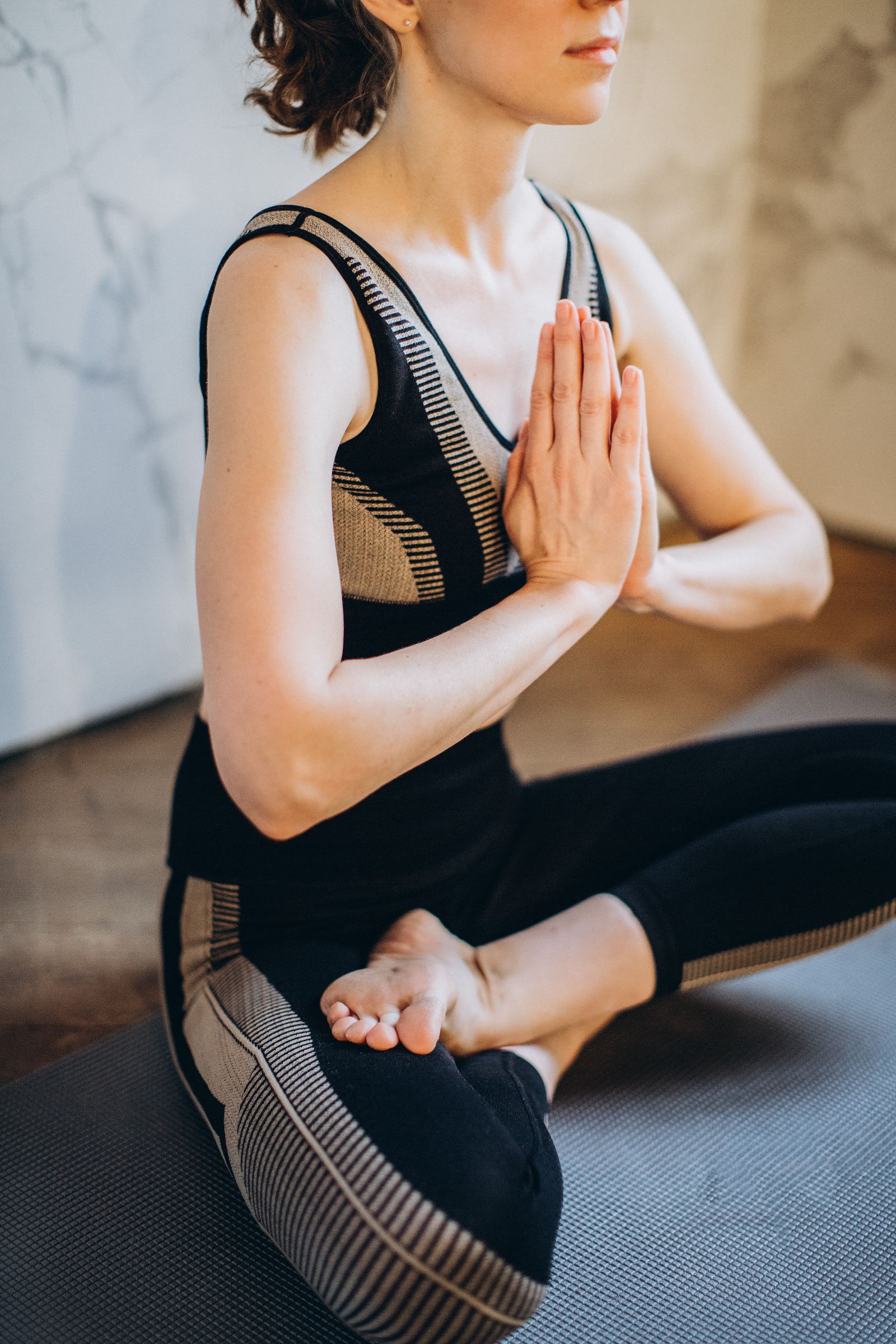
You do not need to meditate for an hour to benefit from slowing down. Sit comfortably, close your eyes if you like, and breathe slowly for two or three minutes. When your attention wanders — it will — gently bring it back without judging yourself. That is the whole practice.
If sitting still feels difficult, try a moving version: a slow walk without headphones, or five minutes of gentle stretching with slow breathing. The UK’s National Health Service lists paying attention to the present moment, also called mindfulness, as one of its five steps to mental wellbeing. Short pauses like these fit easily into a lunch break or the gap between meetings.
Write It Down
Journaling needs nothing more than a notebook and a pen, and ten minutes is enough. Some people write three lines about the day; others list one worry and one thing that went well; others simply empty their thoughts onto the page before bed so they can sleep.
A useful starting point is a short evening check-in: what went well today, what felt hard, and what is one small thing I need tomorrow? Over a few weeks, patterns appear — which days feel calmer and what tends to drain you.

Learn Something New
Learning is a form of self care that is easy to forget. It gives your mind something absorbing to do and adds variety to repetitive days. It does not have to be a course: try a recipe from another country, learn ten words of a new language, or read about a topic you have always been curious about.
Keep sessions to fifteen or twenty minutes a few times a week, so learning feels like a pleasure rather than homework.
Self Care Ideas For Your Emotions
Emotional self care means noticing how you feel and responding kindly, instead of pushing feelings aside until they become overwhelming. It is not about feeling happy all the time; it is about handling the full range of feelings with a little more steadiness.
Name What You Feel
Putting a feeling into words can make it easier to carry. Instead of “I feel bad,” try to be specific: “I feel frustrated because the project changed again,” or “I feel lonely this evening.” A named feeling points toward a next step — a conversation, a break, a boundary — while a vague bad mood often just sits there.
A one-line mood note each evening is enough to start: the feeling and, if you know it, one possible reason. After a few weeks you may notice links you would otherwise miss, such as late nights followed by low moods.
Set One Small Boundary
Boundaries are self care, even though they can feel uncomfortable at first. A boundary is simply a limit that protects your time and energy — not checking work email after dinner, saying no to one extra commitment this week, or telling a friend you need an evening to yourself.
Start with one small, clear boundary rather than several big ones, and state it plainly and kindly. Most people accept a clear limit more easily than a vague excuse, and the time you reclaim can go straight into rest.
Do Something Kind For Yourself
Many people are generous with others and strict with themselves. Doing one kind thing for yourself each day helps correct that imbalance — a proper lunch instead of skipping it, a long bath, or twenty minutes with a novel. The size does not matter; the intention does.
Notice the tone of your own self-talk too. If you would not speak to a friend the way you speak to yourself after a mistake, soften the words: “I made a mistake, and I can fix the next step.” Our guide to positive affirmations explains how short, believable statements like these can support a steadier mindset.
Self Care Ideas For Connection And Rest
Humans are social, and rest is not laziness. These ideas cover the people and pauses that keep life enjoyable rather than just manageable.
Spend Real Time With People
Good relationships are one of the strongest supports for wellbeing, and they need regular attention like anything else. A meaningful conversation, a shared meal, a walk with a friend, or a phone call to a family member all count — the NHS lists connecting with other people as the first of its five steps to mental wellbeing.
If your week feels crowded, schedule connection the way you schedule anything important: a fixed dinner together, a Saturday walk with a friend, or a weekly call with a parent. Many people are waiting for someone else to call.
Take A Proper Break From Screens
Screens are useful, but constant scrolling keeps the mind busy and makes rest harder. Try one phone-free meal a day, no phone for the first thirty minutes after waking, or an hour before bed without social media — and use the time for cooking, reading, walking, or simply sitting quietly.
If a full break feels unrealistic, start with one rule for a week — for example, no phone during dinner. The goal is to choose when you use technology, instead of letting it choose for you.
Spend Time Outside
Time outdoors is a low-effort way to reset. A walk in a park, sitting under a tree with a coffee, or simply standing in daylight for a few minutes can lift your mood and break up a long indoor day — and morning light supports a healthy sleep rhythm later that night. You do not need a beautiful landscape: a local park, a quiet street with trees, or even a balcony with a plant will do.
How To Build A Self Care Routine That Sticks
A long list is useless if none of the ideas survive the first week. Start small and attach new habits to things you already do: drink water while your coffee brews, or write three lines in your journal after brushing your teeth. Habits tied to an existing cue are far easier to remember than habits that depend on willpower alone.
Choose only two or three ideas to begin with — one for your body, one for your mind, and one for rest or connection — and give them a few weeks before judging them. Research on habit formation has found that repeating a simple behavior in the same context gradually makes it automatic, taking an average of about 66 days for a simple health behavior, with wide variation (18 to 254 days). Missing a day does not ruin the habit.
Tracking can help: a tick on a calendar for each day you complete your routine is enough. Our guide to habits worth tracking explains how to choose a short list, and our guide to morning rituals that actually work shows how a calm first half hour sets up the day.
Common Self Care Mistakes To Avoid
Self care goes wrong most often when it becomes another source of pressure. You do not need a perfect routine or expensive products — and if an activity leaves you feeling guilty, inadequate, or more tired, it is not serving its purpose.
Another common mistake is using self care only as a rescue plan after burnout. A bath after a terrible week is pleasant, but it cannot undo months of poor sleep and constant overwork. Finally, remember that self care supports professional help; it does not replace it. If low mood, anxiety, or stress continues for weeks or interferes with daily life, speaking with a qualified health professional is the right next step.
Conclusion: Start Small And Stay Consistent
The best self care ideas are the ones you will actually do. Pick one for your body, one for your mind, and one for rest or connection, and keep each small enough to fit into an ordinary day. A short walk, a regular bedtime, a few quiet minutes, and a real conversation are not dramatic changes — but repeated daily, they add up to a steadier, kinder way of living.
General-information note: This article is for general lifestyle information only and is not medical advice. If you have a health condition, persistent sleep problems, or ongoing low mood or anxiety, speak to a qualified health professional.
Frequently Asked Questions
How Many Self Care Ideas Should I Try At Once?
Start with two or three. A short list is easier to remember and far more likely to survive a busy week than a long one. Once those habits feel steady, usually after a few weeks, you can add one more if you want to.
How Much Time Does Self Care Take Each Day?
It can take as little as ten to fifteen minutes. A short walk, a few minutes of slow breathing, and a one-line journal entry together take less time than scrolling through social media. The value comes from doing a little regularly, not from spending hours on it.
Is Self Care Selfish?
No. Looking after your own health and energy is what allows you to be present and helpful for other people. Neglecting yourself until you are exhausted helps no one, while steady small habits usually make you calmer and more patient with those around you.
What Are The Best Self Care Ideas For A Busy Schedule?
Choose ideas that fit into gaps you already have: a ten-minute walk after lunch, a phone-free dinner, a regular bedtime, and a three-line journal entry before sleep. Attach each habit to something you already do, so it does not need extra planning or willpower.
Can Self Care Help With Stress?
Simple self care habits — regular sleep, daily movement, short pauses, time outdoors, and talking with people you trust — can help you handle everyday stress more steadily. They are not a treatment for anxiety, depression, or burnout, and persistent or overwhelming stress deserves professional support.
How Do I Know If My Self Care Routine Is Working?
Judge it by how your days feel over a few weeks, not by a single day. Notice whether you sleep a little better, recover a little faster after hard days, or feel calmer in situations that used to overwhelm you. If nothing changes after several weeks of regular practice, try a different idea or a different time of day.
