


If you are wondering what is a layover, the short answer is simple: it is the waiting time between two flights on the same journey. You land at an intermediate airport, spend some time there, and then take another flight to your final destination. That pause can be a quick walk to a nearby gate or an overnight wait. Understanding how layovers work helps you choose safer connections, plan for your baggage, and avoid the stress of a missed flight.
Many routes have no nonstop option, so a layover is often a normal part of the trip. The key is knowing what happens during the pause and how much time you really need.
What Is A Layover In Simple Words
A layover is the period between the arrival of your first flight and the departure of your next flight. Your itinerary has at least two flight segments, and the airport in the middle is your connecting airport. For example, a journey from Chicago to London with a change in New York has a layover in New York. The second flight is your connecting, or onward, flight.
During a layover, you leave the first aircraft, check the screens for your next gate, and go to that gate. You may also need a terminal change, security, immigration, or baggage recheck, depending on the route.
Airlines use hub airports to connect many cities efficiently, which can give you more route choices but also adds a point where a delay can affect the rest of your journey.
Layover Vs Stopover Vs Connecting Flight
These terms are related, but they do not mean the same thing.
What A Connecting Flight Means
A connecting flight is the onward flight in a journey of two or more segments. The layover is the time on the ground between them.
What A Stopover Means
A stopover is a longer, intentional break in the connecting city, long enough to leave the airport or rest in a hotel. A common international guideline is 24 hours or more, while U.S. domestic fare rules have often used four hours or more. These are guidelines, not universal laws, so check your booking conditions.
How A Layover Differs From A Stopover
A layover exists so you can transfer to your next flight, and most travelers stay inside the airport. A stopover exists so you can spend time in the connecting city. A few hours rarely leaves enough usable time to visit a city and return comfortably.
How A Layover Works Step By Step
Most layovers follow a predictable pattern, even though details vary by airport.
- Your first flight lands, and you follow signs for connecting passengers, unless your itinerary requires you to collect bags.
- You check the departure board or airline app for your next gate, because gates can change.
- You walk to the next gate, sometimes in the same terminal and sometimes by train, bus, or walkway to another terminal.
- If required, you pass transfer security, immigration, or customs before reaching the departure area.
- You wait near the gate, watch for boarding announcements, and board with your onward boarding pass.
Your onward boarding pass is usually issued at your first check-in on one ticket, but with separate tickets or a document check you may need to check in again. Keep your passport and boarding passes easy to reach, and check the airport map before travel because large hubs can involve long walks.

How Long Is A Typical Layover
There is no single typical length. Layovers range from under an hour to most of a day, and overnight layovers happen when the next flight leaves the following morning. AirAsia’s guide describes a layover as usually a few hours, often less than 24 hours internationally. Three hours can still be generous at a small airport and tight at a huge hub.
Think of layover time as a budget. Taxiing, walking, security, immigration, and baggage claim all use part of it, and boarding begins before the printed departure time. Your true spare time is often less than the printed gap suggests.
What Is Minimum Connection Time
Minimum connection time is the shortest connection an airline or airport will normally sell for a given transfer. It varies by airport, terminal, airline, and whether immigration or security is involved.
A minimum is a selling threshold, not a comfort guarantee. It generally assumes an on-time arrival and no unusual delays. We do not list specific airline minimums here because they differ by route; check your airline. The U.S. Department of Transportation advises travelers to check the time between flights and consider a delayed first flight, noting in its guidance on coping with flight delays that a connection always involves misconnection risk.
What Happens To Your Bags During A Layover
On many single-ticket itineraries, checked baggage is tagged through to your final destination and transferred during the layover. This is common but not automatic, so confirm the destination on your bag tag.
Exceptions matter. Arriving in the United States from another country usually means clearing immigration and customs at your first U.S. airport and rechecking bags, unless your departure airport has U.S. preclearance. On separate tickets, the first airline may check your bag only to the end of the first ticket.
- Ask at check-in whether your bag is checked through to the final destination.
- Read the airport code on the bag tag and keep the claim receipt until you have your bag back.
- Keep medication, documents, valuables, and a change of clothes in your cabin bag.
- If you must recheck bags, allow time for baggage claim, recheck, and security screening.
Do You Go Through Security Or Customs Again
It depends on the route. On a domestic connection inside the secure area, you usually walk gate to gate without another screening. If you leave the secure area or clear customs on an international arrival, expect screening again.
Security, immigration, and customs are separate steps. If you plan to leave the airport, you must meet that country’s entry requirements, which can include a visa. When another screening is possible, an organized carry-on helps; our guide to TSA carry-on size rules can help you check your cabin bag before travel.
What To Do During A Short Layover
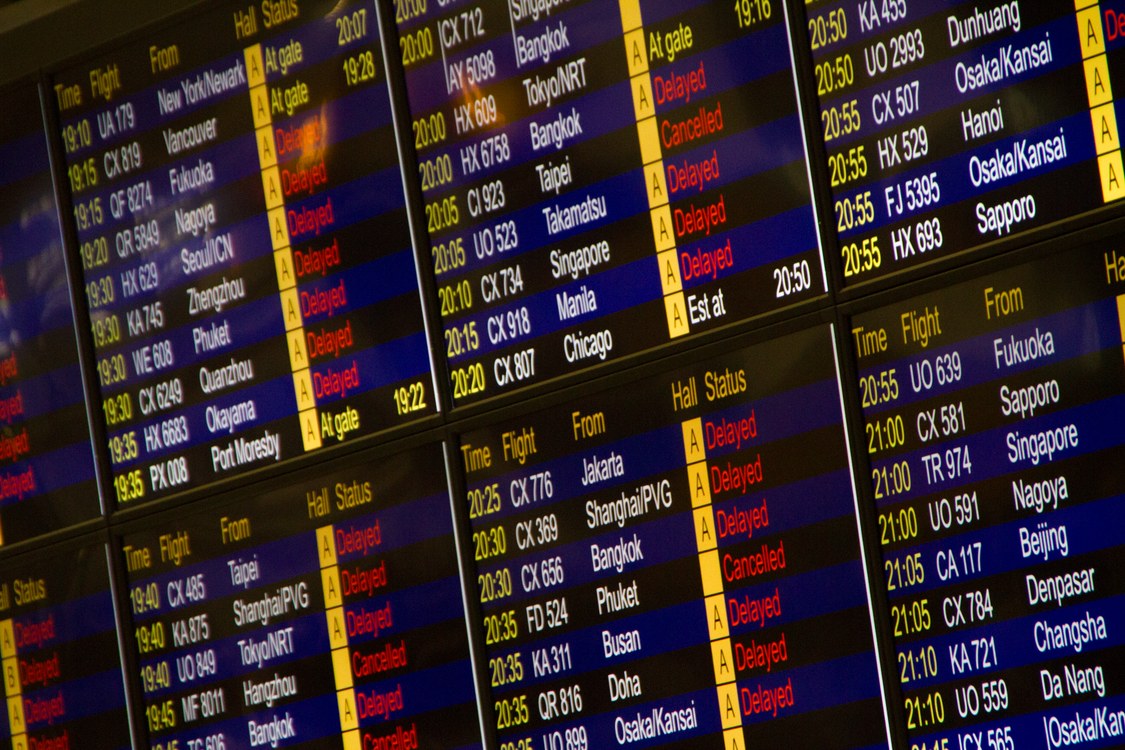
A short layover has one job: get you to the next gate. Go there first, confirm the gate on a live screen, and only then decide on food or coffee.
- Head straight to your onward gate before shopping or eating.
- Check the live departure screen and airline app for gate or time changes.
- Use restrooms and fill a water bottle after you know where your gate is.
- Stay close enough to hear announcements on a tight connection.
If your first flight arrives late, follow transfer signs promptly. If you will miss the onward flight, contact the airline through its app or transfer desk.
What To Do During A Long Layover
A long layover still needs a plan. Work backward from your onward departure and subtract security, border or baggage steps, transport, and a buffer. Only the remaining time is free.
Inside the airport, you can rest, eat, work, or walk. Some airports have lounges or day rooms, but access varies. Leaving can be enjoyable when timing and entry rules allow it: check transport in both directions, choose one nearby sight, and return early. If cost matters, our tips on how to travel on a budget can help you weigh meals, transport, and a hotel. For an overnight layover, decide in advance where you will rest and whether your bag must be collected.
Risks Of A Layover And How To Reduce Them
The main risk is a missed connection from weather, air traffic, mechanical issues, or a late inbound aircraft. The consequences depend on how your trip was ticketed.
One Ticket Compared With Separate Tickets
On one ticket, the airline has sold the connection as one journey and will generally rebook you if a delay makes you miss it, subject to its conditions. Meals or hotels during a long disruption depend on the cause and route rules, so ask rather than assume.
Separate tickets carry much more risk. The second airline may treat a late arrival as a no-show, and you may need to collect baggage, check in again, and pass security again. Leave a generous buffer or an overnight gap if you choose them.
Other Layover Risks To Plan For
- Terminal changes requiring a train, bus, or exit from the secure area.
- Long immigration or customs lines at busy arrival times.
- An onward flight that is the last departure of the day.
- Checked baggage that must be collected and rechecked.
- Entry rules that prevent leaving the airport during a long wait.
Families should be realistic about transfer time, because restroom stops and boarding with children take longer. Our guide to how to travel with kids pairs well with a calmer, longer connection.
Tips For Choosing The Right Layover Length
Choose by the steps the layover must contain, not the number alone. Start with the airline minimum, then add a buffer matching the cost of missing the onward flight.
- Prefer one ticket when protection against a missed connection matters.
- Add time for international arrivals, terminal changes, baggage recheck, and separate tickets.
- Avoid the tightest connection when the onward flight is the last of the day.
- Check whether the airport requires a terminal change or another screening.
- Keep airline app notifications on for gate and delay updates.
- Pack essentials in your cabin bag so a delay stays manageable.
AirAsia’s guide to stopovers and layovers makes the same point: a minimum connection can still feel tight at a large airport. A slightly longer layover at an easy airport can be calmer than a short one at a crowded hub.
Frequently Asked Questions
Is A Layover The Same As A Stopover
No. A layover is the shorter waiting period between connecting flights, usually spent at the airport. A stopover is a longer intentional break, commonly 24 hours or more on international itineraries, planned so you can spend time in the connecting city. Exact thresholds vary by airline and fare rules.
Do I Need To Collect My Bags During A Layover
Often no, if your bag is tagged through to your final destination on one ticket. You may need to collect and recheck it when you clear customs at your entry point, travel on separate tickets, or use an airline that does not through-check it. Confirm the destination on your bag tag at check-in.
Can I Leave The Airport During A Layover
Sometimes, if you have enough usable time and meet the connecting country’s entry requirements. Work backward from your onward departure and allow for immigration, transport in both directions, security, and boarding. For a short layover, staying in the terminal is usually safer.
What Happens If I Miss My Connecting Flight
On one ticket, contact the airline promptly through its app or transfer desk; it will generally rebook you on an available alternative, subject to its conditions. On separate tickets, the second airline may treat you as a no-show and you may need a new ticket.
How Long Should A Layover Be
It depends on the airport, terminals, immigration and baggage steps, and whether your flights are on one ticket. Use your airline’s minimum connection time as a floor, then add a buffer for delays and for the cost of missing the onward flight.
Final Thoughts On Planning A Layover
A layover is simply the time between flights, but planning it well separates a smooth journey from a stressful one. Confirm your bags, security or border checks, and ticket protection, then choose a connection you can make calmly.
