

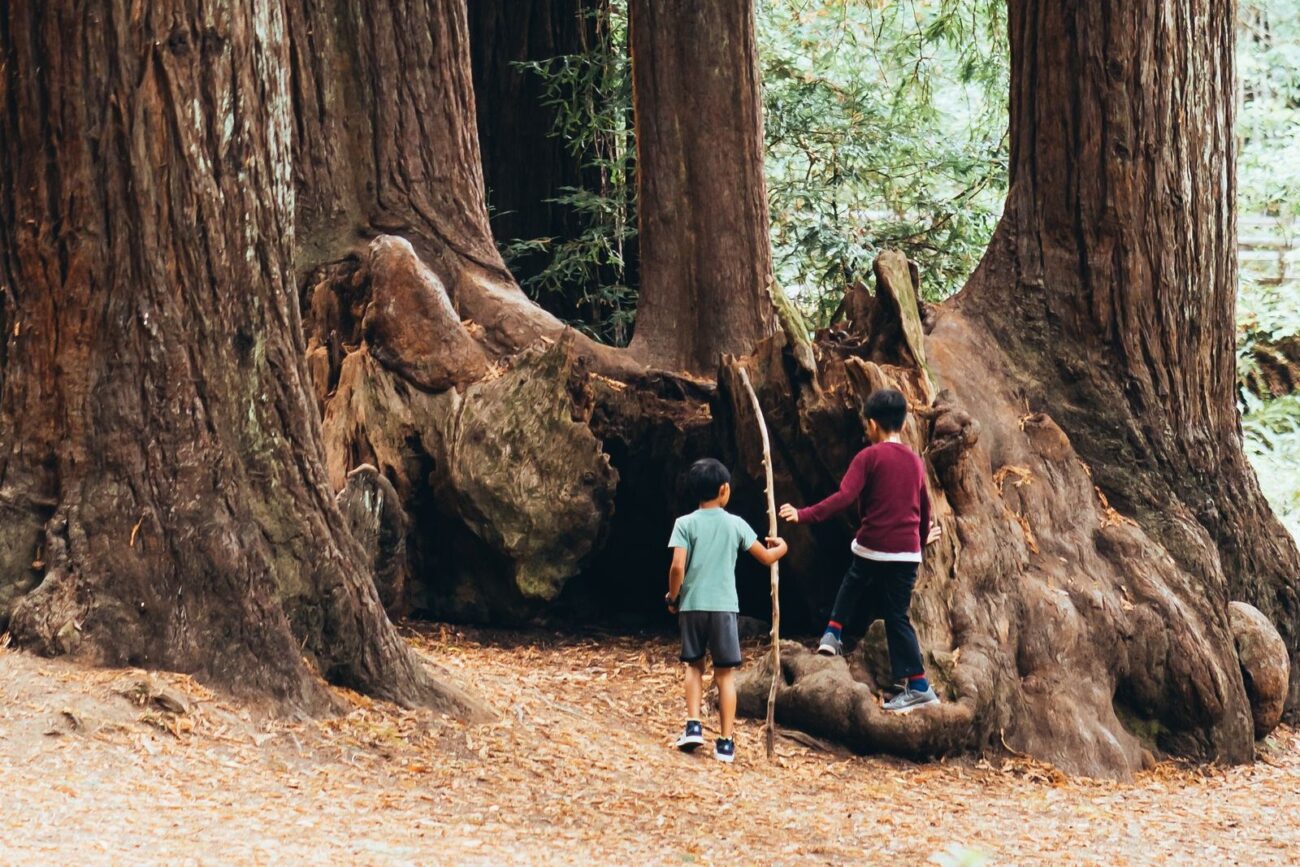
Travelling with kids is not about keeping everything under control. It is about planning for the things you can predict — tired children, long waits, small appetites, and sudden boredom — so the surprises feel smaller. The short answer to how to travel with kids is this: sort the documents early, choose the right seat for each child’s age, pack light, and build the trip around rest, food, and play rather than a packed schedule. The sections below cover documents, flying, airport security, road trips, packing, and keeping children happy on the journey.
Plan Before You Book
A family trip works best when the planning starts with the children, not the destination. Before you book anything, think about how your children travel on a normal day: how long can they sit still, and what time of day are they at their best? A flight that leaves at 6 a.m. might be cheap, but it can also mean a tired, unhappy child before the trip has even started.
Book the practical things first. Choose seats together when you can, so a small child is never seated rows away from a parent, and check your airline’s family seating policy before you pay, because policies differ between airlines. If you are driving, plan the route around stops rather than speed: a journey with a playground break every two hours is usually calmer than one long, unbroken stretch.
What Documents Do Kids Need To Travel?
Domestic Flights In The United States
For flights inside the United States, the Transportation Security Administration (TSA) does not require children under 18 to show identification at the security checkpoint. Adults aged 18 and older must show an acceptable form of identification, and since May 7, 2025, that means a REAL ID-compliant driver’s licence or another TSA-approved document. There is one narrow exception for children: a child travelling alone who has TSA PreCheck needs an acceptable ID to receive PreCheck screening. Airlines can also have their own documentation rules, especially for unaccompanied minors, so check with your airline as well as the TSA.
Even though ID is not required for children on domestic flights, carrying a copy of your child’s birth certificate or passport is still sensible. It can help if there is ever a question about your child’s age.
International Travel And Passports
Every United States citizen needs a passport for international air travel, whatever their age — even a newborn baby needs their own passport book, and children cannot travel on a parent’s passport. For children under 16, the passport is valid for five years, both parents or guardians must appear in person with the child to apply, and the application is made on Form DS-11, as the U.S. Department of State explains in its guide to applying for a child’s passport. A child’s passport cannot be renewed by mail; each time it expires, you apply again in person.
There is one limited exception for land and sea travel. Under the Western Hemisphere Travel Initiative, a child under 16 arriving at a United States land or sea port of entry from Canada, Mexico, or the Caribbean can present an original or copy of their birth certificate instead of a passport. This exception does not apply to air travel: if you are flying, your child needs a passport book regardless of the destination. If only one parent is travelling with a child, some countries also ask for a consent letter from the other parent. Our guide to destinations you can visit without a US passport explains the land and sea rules in more detail.
Flying With Kids: Seats, Car Seats, And Lap Infants
The biggest decision for families flying with a baby is whether the child travels on a lap or in their own seat. Children under two may travel as a lap infant on domestic flights in the United States, which usually means no separate ticket. Once a child reaches their second birthday, they must have their own ticketed seat.
The Federal Aviation Administration (FAA) strongly recommends that infants and small children fly in their own seat, secured in an approved child restraint system, rather than on an adult’s lap. Unexpected turbulence can happen without warning, and a parent’s arms may not be able to hold a child securely during a strong jolt. If you can afford the extra seat, buying it is the safest choice, and it is the only way to guarantee that you can use a car seat on board.
If you bring a car seat onto the plane, check the label first. It must say that the restraint is certified for use in motor vehicles and aircraft; a seat without that wording cannot be used in the cabin. Car seats usually go in a window seat and cannot be placed in an exit row. For toddlers who can sit upright, the FAA has also approved the CARES harness, made for aircraft use for children weighing 22 to 44 pounds and up to 40 inches tall. Baby carriers, booster seats, and backless child restraints cannot be used during taxi, takeoff, and landing.
On the plane, feed a baby or offer a drink to an older child during takeoff and landing, because swallowing helps with ear pressure. Dress children in layers, since cabin temperatures change, and keep the things you will need during the flight — snacks, wipes, a change of clothes, entertainment — in a small bag under the seat in front of you rather than in the overhead bin.
Getting Through Airport Security With Children
Airport security worries parents most, but the rules for families are more forgiving than many people expect. Children aged 12 and under can leave their shoes, light jackets, and headwear on during screening, and TSA officers use modified procedures for younger children to reduce the need for pat-downs. Strollers, car seats, and baby carriers must go through the X-ray machine, so be ready to fold the stroller and carry your child through the checkpoint.
The liquids rule also has an exception for families. Formula, breast milk, toddler drinks, and baby food in amounts over 3.4 ounces (100 millilitres) are allowed in carry-on bags, and they do not need to fit inside a quart-sized bag. Tell the TSA officer at the start of screening that you are carrying these items and take them out for separate screening. The TSA’s general 3-1-1 rule for other liquids still applies, and our guide to the TSA 3-1-1 rule explains exactly what you can pack in your carry-on.
Road Trips With Kids
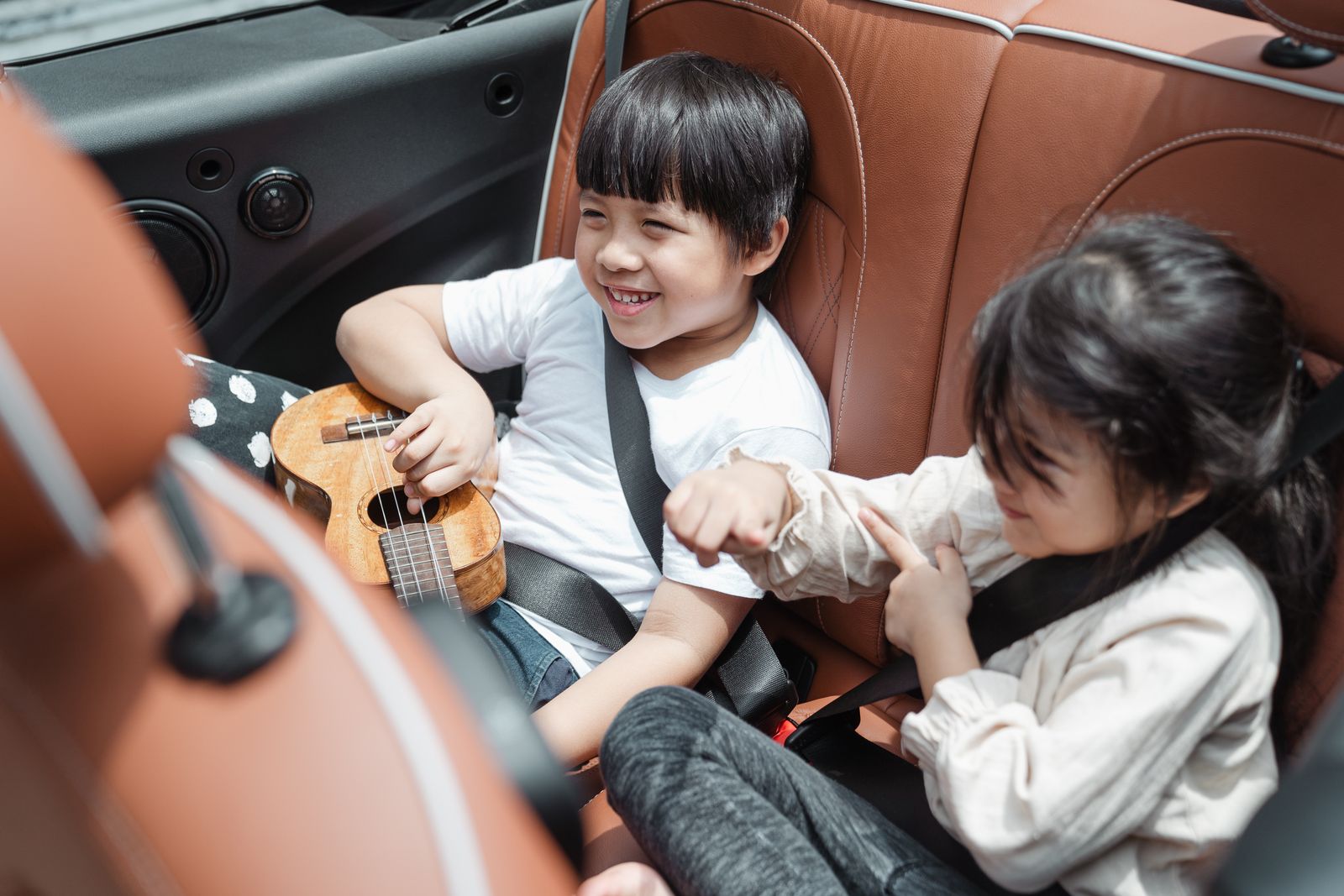
Road trips give families something flights cannot: control over the schedule. You can stop when a child needs a break, eat when they are hungry, and change plans without rebooking anything. That freedom works best with a loose plan. Decide your overnight stops in advance, but leave the hours in between flexible.
Plan a stop every two to three hours, even if nobody asks for one. A short break at a playground or a park does more for everyone’s mood than pushing on for another hour. Keep snacks and water within reach, and pack a small bag for each child with a few toys, books, or games they can reach themselves.
Make sure each child’s car seat is the right size for their age, weight, and height, and that it is installed correctly before you leave. If you are hiring a car at your destination, check whether the hire company provides child seats and what they charge. Never let a child travel unrestrained, even for a short drive.
Packing For Kids Without Overpacking
Packing for children tempts every parent in the same direction: too much. Pack for the trip you are actually taking, not for every situation you can imagine, and remember you can almost always buy nappies, snacks, or a forgotten toothbrush at your destination.
A good starting point for each child is:
- Clothes for the number of days you are away, plus one spare outfit each — children get messy at the worst moments.
- Comfort items that help them sleep, such as a favourite blanket, soft toy, or pillow.
- Sun protection and any medication they need, packed in your hand luggage rather than a checked bag.
- Snacks that travel well, such as crackers, dried fruit, and cereal bars, plus a refillable water bottle each.
- A small bag of entertainment: a book, a colouring pad, a few small toys, and charged devices with headphones.
Let older children pack their own small bag from a short list. They are much less likely to complain about carrying a bag they chose themselves. For a full checklist to work from, see our travel packing list and adapt it for your children’s ages.
Keeping Kids Happy On The Journey
Boredom is the real enemy of family travel, and it is almost always preventable. The mistake is relying on a single solution — one tablet, one toy — and hoping it lasts the whole journey. Children need variety, and a little novelty goes a long way.
Pack a few surprises. Wrap two or three small, cheap items — a new colouring book, a puzzle, a small toy — and hand one out every hour or so. For older children, audiobooks and podcasts made for their age group work well on long journeys, and travel games such as spotting number plates need no equipment at all.
Screen time is a tool, not a failure. Download films and shows before you leave, because Wi-Fi on planes and in cars is never guaranteed, and bring headphones that fit your child’s head. Mix screen time with other activities: a film, then a snack, then a game, then a look out of the window.
Eating, Sleeping, And Routines On The Road
Children travel best when the basics stay familiar. Keep mealtimes roughly where they would be at home, even if the food is different. A hungry child is an unhappy traveller, so carry snacks for the gaps between meals and eat before anyone gets too hungry. If your child has allergies or dietary needs, carry a card in the local language explaining them, and tell your airline or hotel in advance.
Sleep matters even more than food. A child who misses a nap or stays up far past bedtime will struggle the next day, and no attraction is worth a meltdown. When you arrive somewhere new, keep the first evening quiet, and bring a familiar blanket or soft toy so a strange bed feels like home.
Common Mistakes To Avoid When Travelling With Kids
Most family travel problems come from a small number of avoidable mistakes. The first is over-scheduling. Trying to see everything in one day leaves everyone exhausted, and children do not enjoy a holiday they are too tired to remember. Pick one or two things per day and leave room for the unexpected.
The second is forgetting that children move slowly. Everything takes longer with kids: getting out of the hotel, walking to the station, ordering food. Add extra time to every part of your plan, and treat the extra time as part of the trip rather than wasted time.
The third is packing the wrong bag for the journey itself. The bag you carry onto the plane or into the car matters more than the suitcase in the hold. If the snacks, wipes, change of clothes, and entertainment are buried in checked luggage, a small problem becomes a big one. Keep the essentials with you.
The Bottom Line On Travelling With Kids
Learning how to travel with kids is mostly a matter of preparation and patience. Sort the documents well before departure, because a missing passport cannot be fixed at the airport. Choose the safest seat for your child’s age, pack light, and plan your days around food, rest, and play instead of a checklist of sights. Do those things, and the journey stops being something to survive and becomes part of the holiday itself.
Frequently Asked Questions
Do Kids Need ID To Fly Domestically In The US?
No. The TSA does not require children under 18 to show identification for domestic flights. Adults aged 18 and older must show a REAL ID-compliant licence or another acceptable document. Airlines may have their own rules, so check with your airline too.
At What Age Does A Child Need A Passport?
Every US citizen needs a passport book for international air travel, whatever their age — even a newborn. For children under 16, passports are valid for five years and both parents must appear in person to apply on Form DS-11.
Can A Baby Fly On My Lap?
Yes. Children under two may travel as a lap infant on domestic US flights, usually without a separate ticket. The FAA strongly recommends buying the child their own seat and using an approved child restraint instead, because it is safer during turbulence.
Can I Bring Baby Formula Through Airport Security?
Yes. Formula, breast milk, toddler drinks, and baby food in amounts over 3.4 ounces are allowed in carry-on bags. Tell the TSA officer at the start of screening and take the items out for separate screening.
How Do I Keep A Toddler Entertained On A Long Flight?
Pack a mix of activities rather than relying on one thing: a few small wrapped surprises, books, colouring supplies, snacks, and a charged device with downloaded shows and child-sized headphones. Change activities every 30 to 45 minutes.
Do Children Need Their Own Seat On A Plane At Age Two?
Yes. Once a child reaches their second birthday, they must have their own ticketed seat on US flights.
