

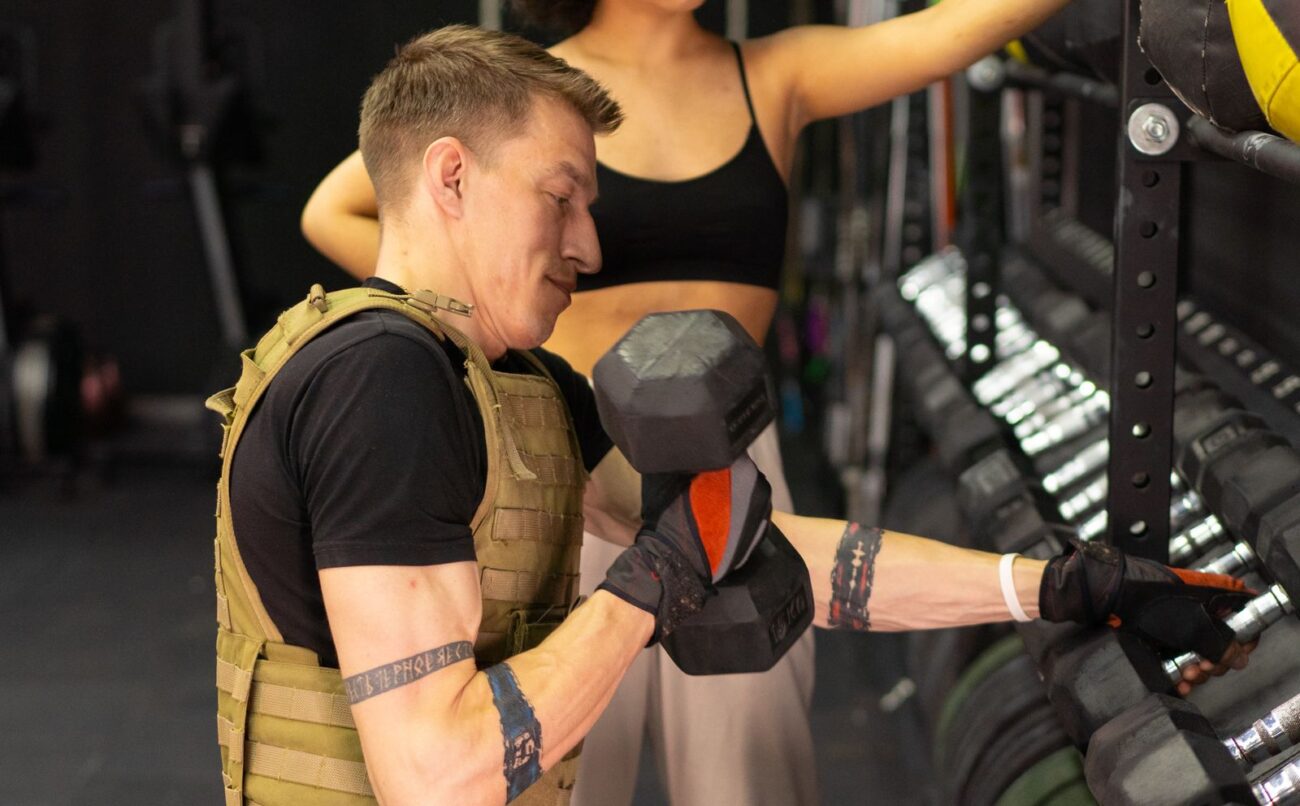
Walking is one of the simplest ways to stay active, and a weighted vest makes that same walk harder. A weighted vest is a snug vest with small pockets of weight, worn over your clothes. It changes how much work your body does per step, not where you walk or how far you go. That extra work brings the benefits of walking with weighted vest exercise: more calories burned, harder-working leg and core muscles, and more loading on your bones. The idea is now popular as rucking. You need a vest that fits, a sensible starting weight, and patience.
What Is Weighted Vest Walking?
Weighted vest walking means walking at your normal pace in a vest that adds 5 to 10 percent of your body weight. The vest spreads the weight evenly across your chest and back, so the load sits close to your centre of gravity. Most vests let you add or remove weights, so you can start light and build up. Rucking is the same idea with a loaded backpack. A vest stays in place and bounces less; a backpack can shift as you move. On pavements, trails, or a treadmill, the extra weight turns a stroll into a genuine workout.
How a Weighted Vest Changes Your Walk
Adding weight changes walking simply: your body moves more mass with every step. Your heart beats faster, your breathing deepens, and your legs push harder. Each step also sends more force through your feet, knees, hips, and spine — the signal your bones respond to. That is why the same walk feels much harder once the vest is on, even at the same speed. Walking stays low impact, but the extra load is the trade-off: more training effect, more joint stress. Start light.
6 Benefits of Walking With Weighted Vest
1. You Burn More Calories
This is the most solid benefit: carrying extra weight costs extra energy, so the same walk burns more calories. A small study commissioned by the American Council on Exercise found a vest equal to 15 percent of body weight raised calorie burn by about 12 percent, and a 10 percent vest uphill raised it by about 13 percent. A modest gain: roughly 15 to 20 extra calories per half-hour walk. Over weeks, the extra energy adds up — but as walking alone rarely drives large weight loss on its own, pair it with a sensible diet.
2. You Build Stronger Legs and Core
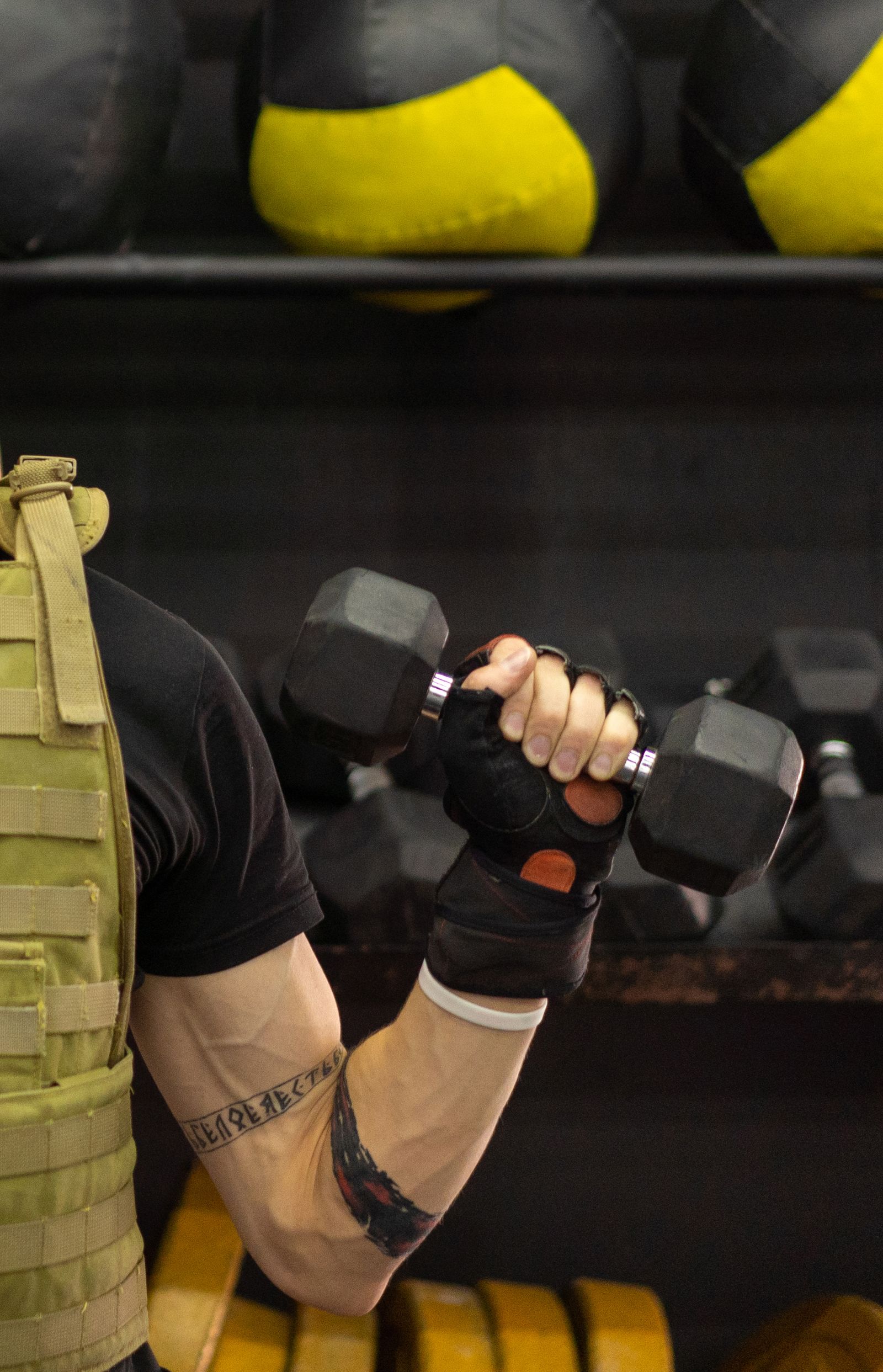
Your thighs, glutes, and calves push harder with every step, and your stomach and lower-back muscles keep your torso steady. A 2019 study of 15 healthy young men found ten weeks of weighted walking plus resistance training improved aerobic fitness, lower-body power, and muscular endurance. The study was small and limited to young men, but weighted walking has also improved leg strength and function in adults aged 65 to 74. Note the limit: Cleveland Clinic specialist Dr. Jessica Tomazic says a vest alone will not build much strength — combine it with other strength training. For more, see our guide on whether walking builds muscle and how to make it work.
3. Your Heart and Lungs Work Harder
Because the vest raises the intensity of your walk, your heart and lungs get a stronger workout at the same speed. Harvard Health Publishing notes it can improve the heart’s pumping ability and expand lung capacity. A pace that used to feel easy now raises your heart rate into the moderate-intensity zone, where most of walking’s heart-health benefits live. If your usual route has become too easy, a vest raises the challenge without faster walking or running.
4. It May Support Bone Health
Bone health is the benefit people ask about most, and the evidence is the most mixed. Bones respond to loading: more weight signals them to stay strong. A five-year study found postmenopausal women doing weighted-vest exercises preserved hip bone density better than controls. Mayo Clinic research also found postmenopausal women with stronger back muscles had less than half the vertebral fracture rate over ten years, though that study used a weighted backpack, not a vest. But a large 2025 trial in JAMA Network Open found a vest did not prevent hip bone loss in 150 older adults with obesity losing about 10 percent of their body weight. In short: a vest may help bone health as part of an active lifestyle, but it is not a proven bone treatment.
5. It Can Improve Your Posture and Balance
A well-fitted vest helps you stand tall. The weight sits evenly on your torso, and your core muscles engage to keep you upright, reinforcing good walking posture. But adding weight also shifts your centre of gravity, making balance slightly harder on uneven ground. Cleveland Clinic’s Dr. Tomazic warns the vest can throw off your balance in faster or balance-heavy activities, so walking is the safest way to start. With balance problems, start on flat, even surfaces and keep the weight light.
6. You Get a Harder Workout Without Running
Not everyone wants to run, and not every body can. A vest raises the difficulty of your walk while keeping the low-impact rhythm of walking, with no jarring landings. You can also progress without changing your routine: same route, same time, just a heavier vest as you get stronger. But low impact is not no load: the vest still adds force through your knees, hips, and ankles, so build up gradually.
How Much Weight Should You Use?
Experts agree: start light, and treat 10 percent of your body weight as a ceiling. Cleveland Clinic recommends 5 to 10 percent of body weight, starting low: roughly 8 to 15 pounds for a 150-pound person, or 10 to 20 for a 200-pound person. Harvard Health agrees: about 10 percent for starters. Going heavier adds little benefit and raises the risk of sore joints and strained muscles. A vest with removable weights is best: start at 5 percent and add a pound or two every week or two as walks feel easier.
How To Start Walking With a Weighted Vest
Give your body two to four weeks to adjust:
- Week 1: Walk 15 to 20 minutes, 2 to 3 times, at about 5 percent of your body weight, at your normal pace on flat ground.
- Week 2: Keep the same weight and add 5 minutes per walk, or add one extra walking day.
- Week 3: Add 1 to 2 pounds, keep the same time, and notice how your knees, back, and posture feel the next day.
- Week 4: If all feels comfortable, add 1 to 2 more pounds or a few more minutes — never both in the same week.
Warm up for a few minutes before putting the vest on, then start at an easy pace. Check the fit every time: snug, no bouncing or rubbing. Wear supportive shoes, carry water on longer walks, and finish with stretches. A short session of flexibility and mobility work keeps you loose as the load increases. If anything hurts beyond normal muscle tiredness, drop back to the previous weight.

Risks and Who Should Avoid a Weighted Vest
A weighted vest is useful, but not for everyone, and it can cause problems if used badly. The usual issues are sore knees, hips, and lower back, from starting too heavy. Extra load can strain muscles and joints, and poor posture under a heavy vest can worsen back and neck problems. Harvard Health advises people with neck or back pain to avoid them, and pregnant women not to wear one. Cleveland Clinic adds that anyone with joint problems, balance difficulties, a recent injury, a heart condition, high blood pressure, breathing problems, or osteoporosis should ask a doctor first. A vest is also a poor choice for running or fast, balance-heavy activities for beginners. With any health condition, old injury, or doubt, ask a healthcare professional first.
Common Mistakes To Avoid
Most weighted vest problems come from enthusiasm:
- Starting too heavy. A 15 or 20 percent vest on day one means sore knees and back.
- Adding weight and time together. Change one at a time.
- Wearing the vest all day. It is a training tool for your walk, not for home.
- Ignoring fit. A loose vest bounces and rubs, causing chafing and poor posture.
- Skipping the warm-up. Cold muscles under load complain the next day.
- Running with a heavy vest too soon. Build up walking first; go faster only once it feels easy.
The Bottom Line
The benefits of walking with weighted vest training are a simple upgrade to a habit many already have. The evidence is strongest for the basics: more calories burned, harder-working legs and core, and a better heart and lung workout from the same walk. The bone story is promising but mixed — a possible bonus, not a promise. Start at 5 percent of body weight, add weight slowly, stay tall, and reassess if anything hurts.
Disclaimer: This article is for general information only and is not medical advice. A weighted vest loads your joints and changes your balance, so talk to a healthcare professional before starting, especially with back, neck, or joint problems, a heart or breathing condition, osteoporosis, or pregnancy. Seek medical advice if you feel pain, dizziness, or chest discomfort.
Frequently Asked Questions
Is Walking With a Weighted Vest Good for Weight Loss?
The benefits of walking with weighted vest exercise can help with weight loss, but only as part of a wider plan. It raises the calories you burn by roughly 10 to 13 percent per walk. Alone, that is modest and will not outweigh an unchanged diet. It works best with healthy eating and strength training.
How Long Should You Walk With a Weighted Vest?
Start with 15 to 20 minutes, 2 to 3 times weekly. Many regular users settle at 30 to 45 minutes. There is no fixed ideal length. Let your joints and next-day energy decide whether to add time.
Is It OK To Wear a Weighted Vest Every Day?
Daily use is possible once your body has adapted, but rest days help. Muscles and joints adapt during recovery, not during the walk. Three to five weighted walks a week is a reasonable target, with unweighted walks or rest on the other days.
Can a Weighted Vest Help With Osteoporosis?
The evidence is mixed, so a vest is not a treatment for osteoporosis. One five-year study found it helped postmenopausal women preserve hip bone density, but a large 2025 trial found it did not prevent bone loss. With low bone density, follow your doctor’s plan and ask whether a vest fits into it.
Should You Run With a Weighted Vest?
Most beginners should not: running multiplies joint force, and a vest on top raises injury risk sharply. Walk with the vest until the load feels easy, and only consider jogging or running after several weeks of comfortable weighted walking. Even then, keep the weight light and the distance short.
What Should I Look For When Choosing a Weighted Vest?
Look for adjustable, removable weights, a snug, non-bouncing fit, and breathable material. Weight should sit evenly front and back, straps should adjust easily, and you should walk, bend, and breathe comfortably in it. Try it on and walk around the shop before you buy.
Can Older Adults Walk With a Weighted Vest?
Many can: studies found benefits for leg strength and everyday function in adults in their late 60s and 70s. Start very light, often at just a few pounds, progress slowly, and check with a doctor first, especially with any history of falls, joint problems, or balance difficulties.
