

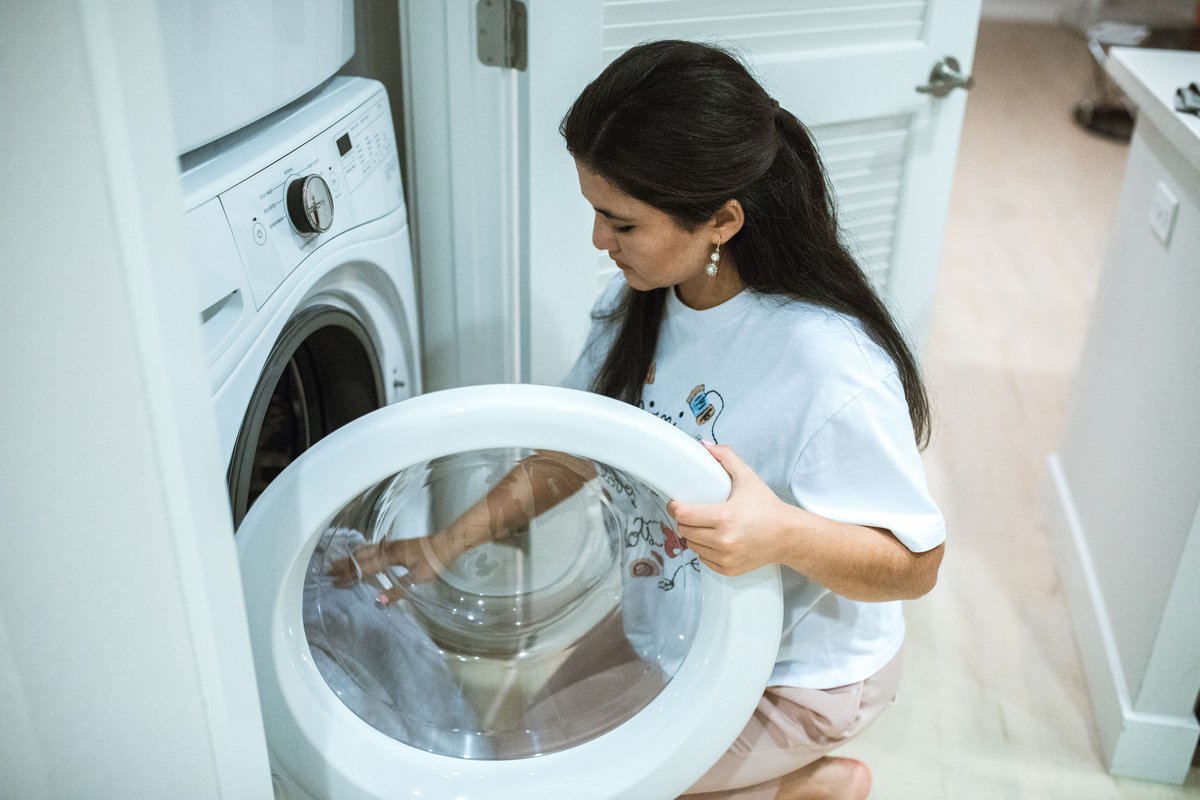
Knowing how to clean a washing machine comes down to two jobs: run the empty cleaning cycle your manufacturer recommends, then hand-clean the parts that cycle cannot reach, such as the door gasket, detergent drawer and filter. Do this about once a month and most musty smells and residue will stay away. The exact cleaner and cycle name differ by brand, so your machine manual is always the final word.
A washer cleans clothes, yet its drum and seals collect detergent film, lint and trapped moisture, which feed mildew odours. Learning how to clean a washing machine needs only a soft cloth, a soft brush, warm water and one approved cleaner.
Why A Washing Machine Needs Regular Cleaning
High-efficiency washers use less water, which can leave more detergent and soil behind if doses are too large or loads are always washed cold. Front-load machines trap damp air around the door gasket; top-load machines collect scum under the lid rim and around the agitator or impeller. A sour smell, dark spots in gasket folds, slime in the drawer, or stale-smelling laundry all mean cleaning is due.
What You Need Before You Start
Gather everything first:
- Two or three soft microfibre cloths and an old towel
- A soft brush or old toothbrush
- Warm water, plus a shallow tray for filter water
- One cleaner approved for your model, such as a cleaner tablet or liquid chlorine bleach where the manual allows it
- Rubber gloves if you plan to use bleach
- Your machine manual or the manufacturer support page for your exact model
Safety Rules You Must Follow
Never mix bleach and vinegar: mixing chlorine bleach with vinegar or another acid can produce toxic gas, and bleach must never be mixed with ammonia. Use only one product per session, as your manual describes, since some brands name a tablet, some bleach, and some no added cleaner. Unplug before cleaning filters, turn off water taps before removing hoses, and seek qualified help for damaged wiring, unexplained leaks or a torn gasket.
How To Clean A Washing Machine With A Front Load Design
Front-load washers need most attention around the rubber door gasket, where water and lint collect. Remove loose dirt first, then let the cleaning cycle rinse the drum.
Step One: Empty The Drum And Check The Gasket Fold
Remove all laundry, pull back the gasket folds, and clear trapped socks, coins, hair and lint, especially along the bottom. Wipe away loose grime. Samsung advises regular door seal checks to prevent leaks.
Step Two: Clean The Door Gasket And Door Glass
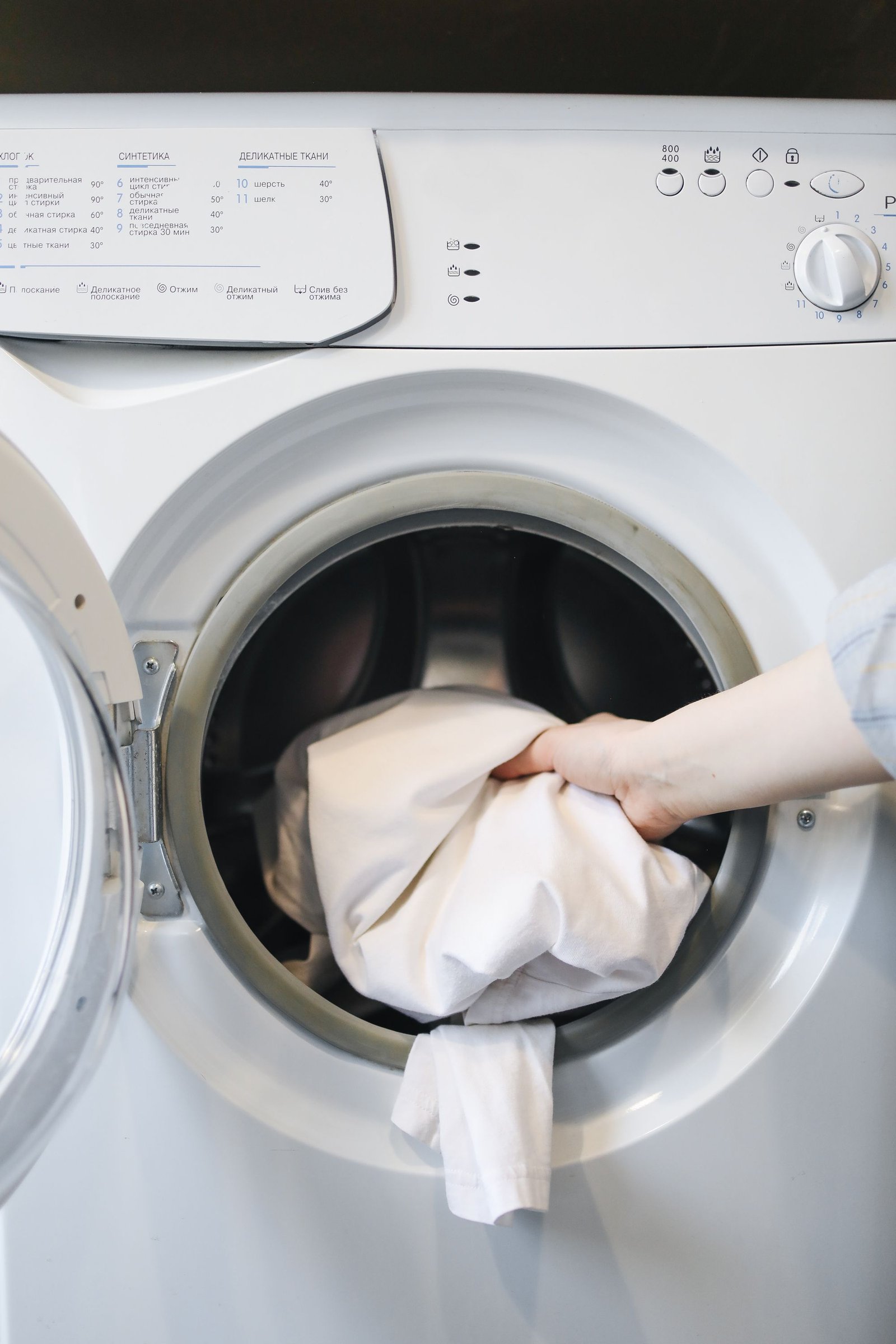
Wipe the gasket with warm water and a little mild detergent, then brush into the folds. If your manual allows diluted bleach for stubborn mildew on the seal, use only the strength it states, wear gloves, rinse with clean water, and dry the folds. Never use straight bleach or an abrasive pad on the rubber. Wipe the door glass too. If growth keeps returning or the rubber is cracked, the gasket may need replacement. For wider damp-room problems, see how to get rid of mold in a shower.
Step Three: Run The Drum Cleaning Cycle
Close the door with the drum completely empty. Add only the cleaner your manual names, in the place it names: tablets usually go into the drum, while liquid bleach usually goes into the bleach compartment or basket. Then start the cleaning cycle, which may be called Self Clean, Basket Clean, Clean Washer, Tub Clean or Eco Drum Clean.
Brand guidance shows why the manual matters. GE Appliances says Self Clean should run at least monthly or about every 40 cycles, with one cup (250 ml) of liquid bleach or another cleaner in the basket, followed by a Rinse and Spin or light-colour load after bleach. Samsung says Eco Drum Clean should run every 40 washes with no laundry inside; Whirlpool describes Clean Washer every 30 washes with a tablet or bleach. See the GE Appliances Self Clean cycle guidance for a model-specific example.
Let the cycle finish without interruption. If suds remain afterwards, GE notes this can come from detergent buildup in or behind the basket, and repeating the cycle until suds stop can clear it. Frequent suds also mean you should use less detergent and make sure it is high-efficiency detergent in a high-efficiency machine.
Step Four: Clean The Detergent Drawer And Its Housing
Pull the drawer out, pressing the release lever or tab if fitted. Rinse it and its inserts under running water and scrub with the soft brush, as Samsung describes, and clean the drawer recess the same way. Do not dishwasher dispenser parts unless the manual allows it. Dry everything, refit the drawer, and leave it slightly open after wash days.
Step Five: Clean The Drain Pump Filter
Many front-load washers have a drain pump filter behind a small panel at the bottom front. It catches lint, coins and small items, and a clogged filter can cause drainage problems. Samsung advises cleaning its pump filter five or six times a year, though your model may differ.
- Unplug the washing machine for safety.
- Place the towel and shallow tray under the panel to catch water.
- Open the filter cap slowly so trapped water drains in a controlled way.
- Remove debris, rinse the filter under warm water, and scrub gently if needed.
- Check the housing for trapped objects, then refit the filter firmly.
- Close the panel, plug the machine back in, and run a short rinse while watching for leaks.
If it still will not drain, suspect a blocked hose or pump fault. See our dishwasher not draining checks for a similar appliance, and call a technician for repeated washer drainage failures.
How To Clean A Washing Machine With A Top Load Design
Top-load washers have no front gasket, so focus on the tub, lid, agitator or impeller, and dispensers. Anyone learning how to clean a washing machine should know both designs.
Step One: Empty The Tub And Wipe The Rim
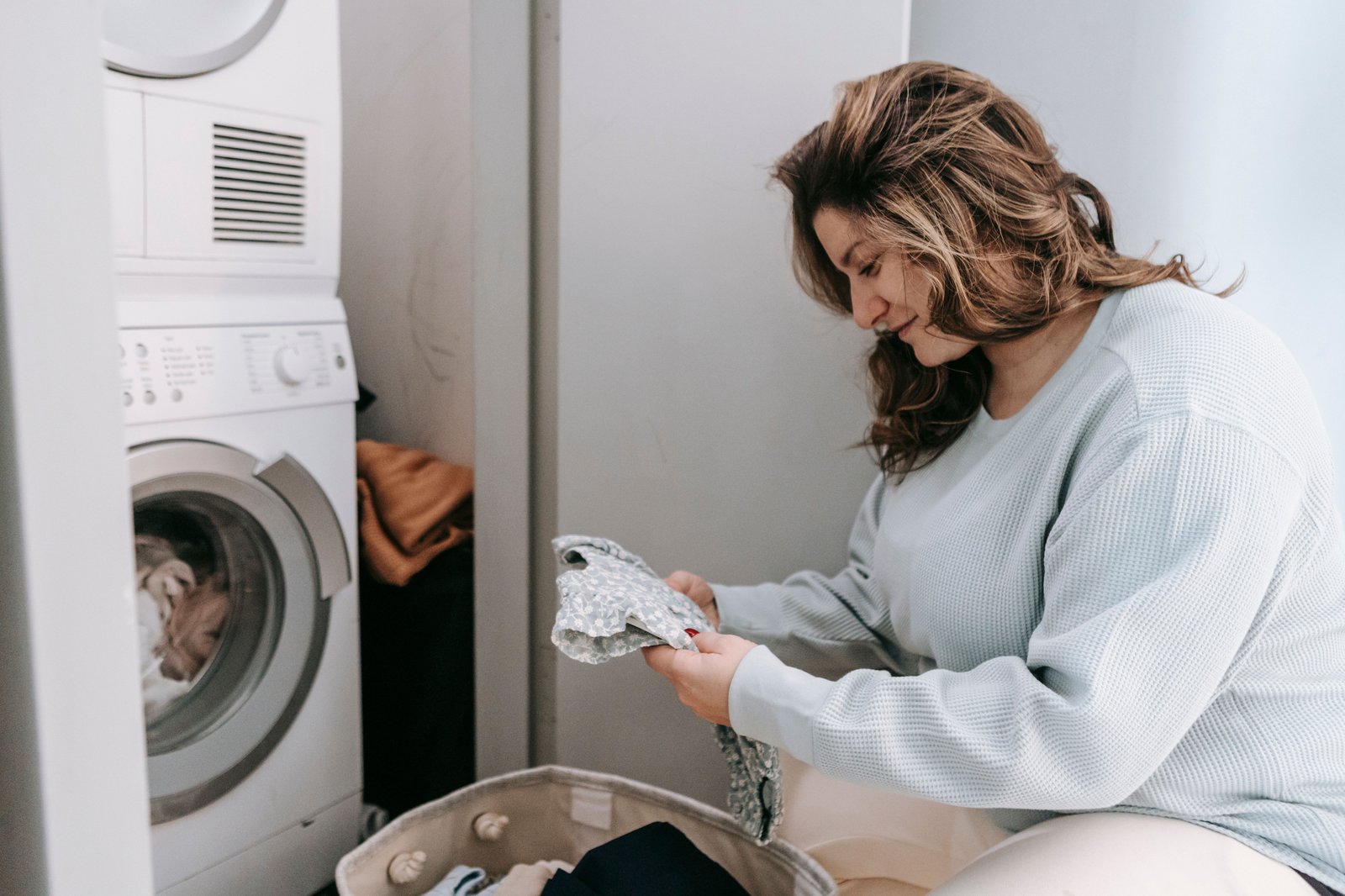
Remove all laundry and check around the agitator or impeller for trapped items, without forcing parts your manual does not tell you to remove. Wipe the underside of the lid, the tub rim and the top edge of the basket with a damp cloth. Rinse any fabric softener dispenser in warm water if it lifts out easily.
Step Two: Run The Basket Cleaning Cycle
With the tub empty, add the cleaner your manual names and start the Basket Clean or Clean Washer cycle. GE recommends cleaning a top-load tub once per month to help with mold or mildew odours. For models with Basket Clean, GE describes pouring one cup (250 ml) of liquid bleach, vinegar or a washing machine cleaner into the basket, closing the lid, selecting Basket Clean and not interrupting the cycle. That vinegar option is specific to those GE instructions, so use vinegar in the drum only if your manual names it.
Step Three: Clean Dispensers And Check The Filter
Rinse bleach and softener dispensers with warm water and a soft brush, and wipe the dispenser housing. Some top-load models have a removable lint or pump filter, while others have self-cleaning filters. Your manual will say which type you have. If it names a removable filter, unplug first, rinse away lint and debris, and refit it securely.
Leave the lid open between uses: GE notes a closed lid stops air drying tub moisture and causes mildew odours. This habit is central to how to clean a washing machine well between deep cleans.
Clean The Exterior And Control Panel
Wipe the outside with a soft cloth and nonabrasive detergent, as Samsung advises, without spraying water onto the machine. Clean the control panel with a barely damp cloth, and check for leaks around the hoses.
Samsung recommends cleaning inlet mesh filters once or twice a year, after turning off the water and disconnecting the hoses. GE notes a drain hose pushed too far into the standpipe can siphon water back and cause a musty odour, so clip it to the side of the standpipe. See also whether unplugging appliances saves electricity.
A Simple Monthly Maintenance Routine
A short routine stops the deep clean from growing. Adjust this schedule to your manual:
- After every wash: remove damp clothes promptly, wipe the gasket dry, and leave the door or lid and drawer slightly open.
- Every week: wipe the door glass, lid rim and exterior, and check the gasket fold or tub rim for trapped items.
- Every month, or about every 30 to 40 washes: run the empty cleaning cycle, clean the drawer, and wipe the gasket or tub rim thoroughly.
- Every two to three months: clean the drain pump filter if your model has one, unplugging first.
- Once or twice a year: clean inlet mesh filters if covered by your manual, and inspect hoses for wear or leaks.
Measure detergent instead of guessing, use the correct type, and run an occasional warm or hot wash for suitable loads, since hot water helps clear soil and detergent accumulation. Follow fabric care labels.
Common Mistakes To Avoid
Avoid these errors when you clean a washing machine at home:
- Mixing bleach with vinegar, ammonia or another cleaner, which can create dangerous gas.
- Running a cleaning cycle with clothes inside, which manufacturers warn against.
- Putting a cleaner tablet in the dispenser when the manual says it belongs in the drum.
- Using vinegar in the drum on a model whose manual does not name it.
- Scrubbing the gasket with abrasive pads or undiluted bleach.
- Opening a pump filter without unplugging first or without a tray ready.
- Closing the door, lid and drawer straight after washing, trapping moisture inside.
The Samsung washing machine maintenance guide covers filters, drum cleaning and door seal care. Following how to clean a washing machine with the manual first avoids nearly all these mistakes.
Conclusion
Regular cleaning keeps laundry fresh and helps a washer last longer. Empty the machine, use only the cleaner and cycle your manual names, hand-clean the gasket, drawer and filter, wipe the exterior, and leave the door or lid open to dry. Repeat monthly, and how to clean a washing machine becomes a short routine instead of a smelly emergency.
Frequently Asked Questions
How Often Should You Clean A Washing Machine?
About once a month is the common manufacturer advice. GE recommends Self Clean at least monthly or about every 40 cycles, Whirlpool describes Clean Washer every 30 washes, and Samsung advises Eco Drum Clean every 40 washes. Follow your own manual.
Can You Clean A Washing Machine With Vinegar?
Only if your manual names vinegar for that use. GE lists vinegar for certain Basket Clean and Self Clean instructions, but other brands build their cycles around cleaner tablets or bleach. Never mix vinegar with bleach in the same session.
Why Does My Washing Machine Still Smell After Cleaning?
The smell may sit in the gasket folds, drawer housing, pump filter or drain hose, or come from a hose pushed too far into the standpipe. Clean each part, repeat the empty cycle if residue remains, and leave the door or lid open to dry.
Do You Need To Unplug A Washing Machine Before Cleaning The Filter?
Yes. Unplug before cleaning the drain pump filter or inlet mesh filters. Place a towel and tray under the filter, open the cap slowly, rinse the filter, refit it firmly, and check for leaks before normal use.
What Is The Difference Between Cleaning Front Load And Top Load Washers?
Front-load washers need extra care for the door gasket and pump filter. Top-load washers need attention to the lid, tub rim, agitator or impeller area and dispensers. Both need a monthly empty cleaning cycle.
